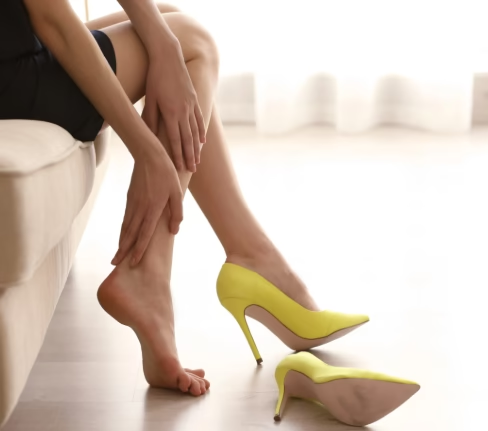
High heels are a symbol of elegance, confidence, and style, but for many women, they also come with pain, fatigue, and long-term foot strain. From sore forefeet to aching calves and lower back discomfort, wearing high heels can feel like a trade-off between beauty and comfort.
This article explores why high heels are painful, how to choose more comfortable heels, how to walk properly in heels, and how beginners can build confidence safely. We also introduce custom women’s shoes as a long-term solution for women who want both style and comfort—without compromise.
Why are high heels painful?
-What is high heel syndrome?
-Why do high heels exert more pressure?
-What happens if you wear high heels every day?
How to choose comfortable high heels?
-Choosing the right heel height and heel shape for stability and comfort
-Toe box design and shoe width: why fit matters more than style
-Materials, cushioning, and arch support that reduce foot stress
How to Walk Easily in High Heels?
-Is there a trick to walking in heels?
-What is the toe trick for heels?
-How do I train my feet to walk in heels?
How to Walk in High Heels for Beginners?
-Starting with beginner-friendly heel styles and heights
-Simple practice exercises to improve balance and confidence
-Common beginner mistakes and how to avoid foot pain early
Foot Care Tips to Prevent Pain and Strain
-Stretching and strengthening exercises for feet and calves
-Using insoles, pads, or anti-slip solutions for added comfort
-Knowing when to rest, switch shoes, or stop wearing heels
Custom Women’s Shoes: A Smarter Long-Term Solution
-Why choose Sansheng shoes?
-Customization options: heel height, toe shape, arch support, and materials
-Why custom high heels offer better comfort for frequent or long-term wear
Why Are High Heels Painful?
What Is High Heel Syndrome?
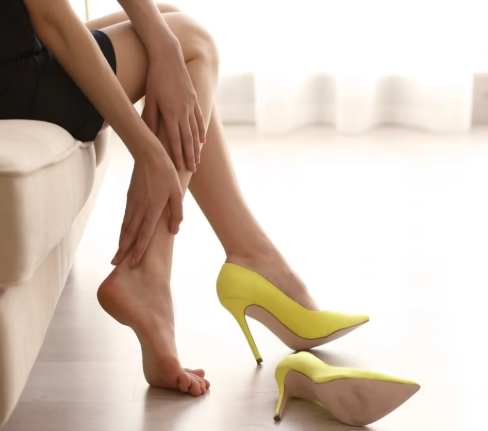
High heel syndrome refers to a group of foot and body issues caused by prolonged or frequent wearing of high heels. These may include forefoot pain, shortened calf muscles, ankle instability, knee stress, and even lower back pain. When heels elevate the foot, they force the body into an unnatural alignment, placing excessive strain on muscles and joints that are not designed for it.
Why Do High Heels Exert More Pressure?
When wearing flat shoes, body weight is distributed more evenly across the heel and forefoot. High heels shift the center of gravity forward, causing up to 70–80% of body weight to concentrate on the ball of the foot.
This increased pressure can lead to pain, numbness, calluses, and inflammation, especially when shoes are narrow or lack cushioning and arch support.
What Happens If You Wear High Heels Every Day?
Daily high heel use can gradually change foot structure and muscle function. Over time, calves may tighten, Achilles tendons shorten, and balance can worsen. Chronic wear may also increase the risk of bunions, plantar fasciitis, and joint problems. While occasional heel wear is usually manageable, improper shoes worn too often can create long-term discomfort.
How to Choose Comfortable High Heels?
Choosing the Right Heel Height and Heel Shape for Stability and Comfort
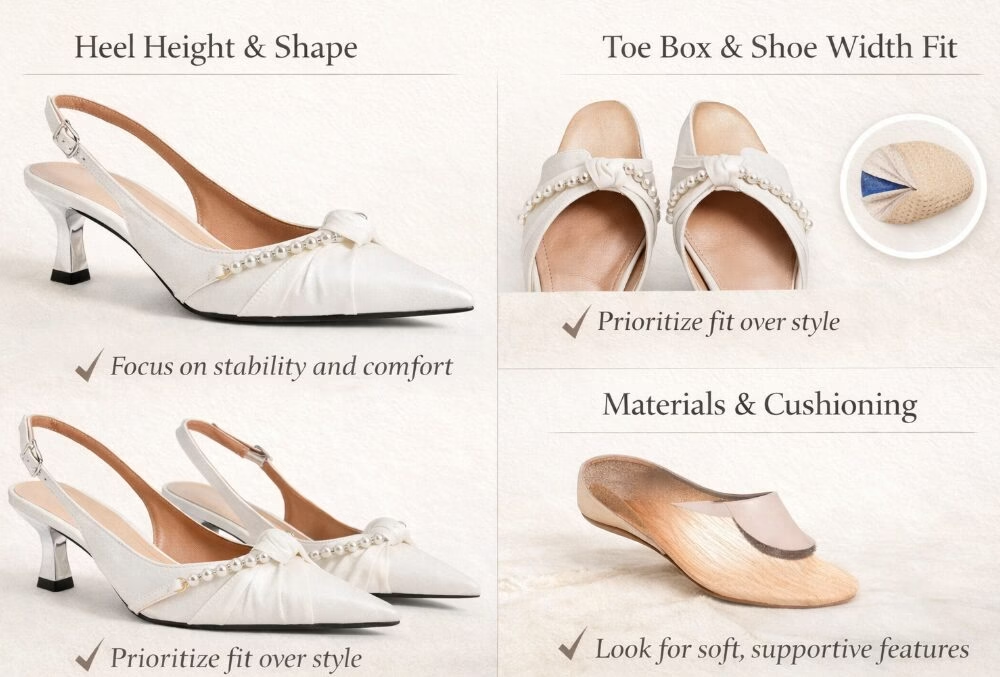
Heel height plays a crucial role in comfort. For daily wear, a heel height between 3–6 cm (1–2.5 inches) is generally easier on the feet.
Heel shape matters just as much. Block heels and wedges distribute weight more evenly and provide better balance than thin stilettos, making them a smarter option for longer wear.
Toe Box Design and Shoe Width: Why Fit Matters More Than Style
A narrow toe box squeezes toes together, increasing pressure and friction. This is a major cause of pain, blisters, and bunions. Shoes with a slightly wider or rounded toe box allow toes to sit naturally, improving comfort and stability without sacrificing elegance.
Materials, Cushioning, and Arch Support That Reduce Foot Stress
Soft, flexible uppers such as genuine leather or high-quality microfiber adapt better to foot shape. Adequate cushioning in the insole absorbs shock, while proper arch support helps distribute weight more evenly across the foot. These details significantly reduce fatigue and strain during extended wear.
How to Walk Easily in High Heels?
Is There a Trick to Walking in Heels?
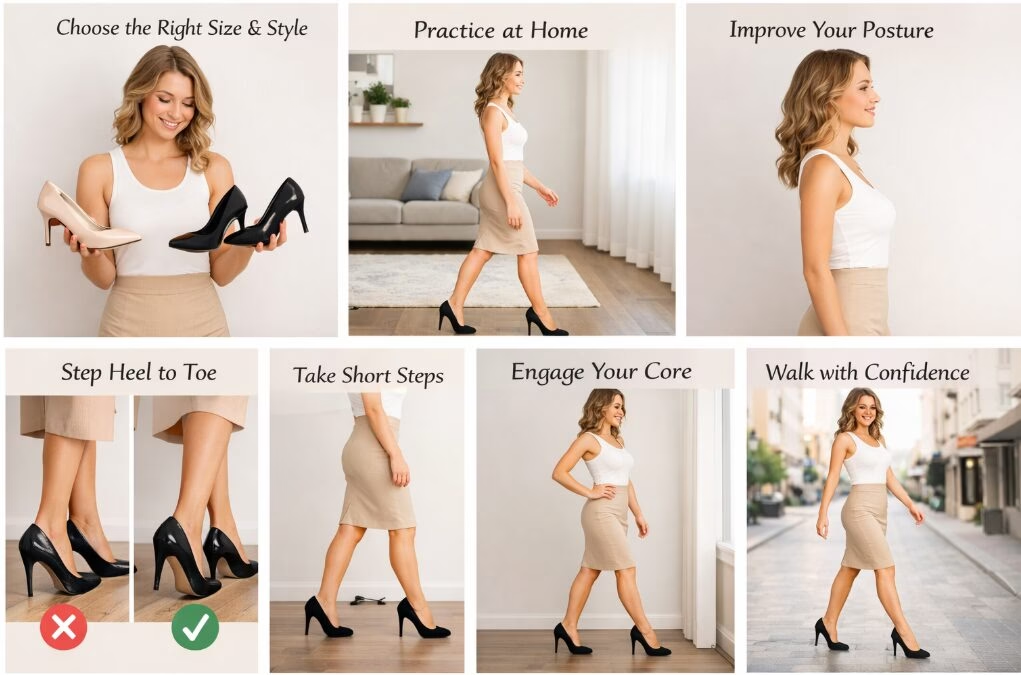
Yes—technique matters. The key is shorter steps and controlled movement. Instead of rushing or stomping, place the heel down gently first, then roll forward onto the ball of the foot. This smooth motion reduces impact and improves balance.
What Is the Toe Trick for Heels?
The “toe trick” involves consciously relaxing your toes instead of gripping the shoe. Many women tense their toes for balance, which increases fatigue and pain. Keeping toes relaxed and evenly spread improves stability and reduces pressure on the forefoot.
How Do I Train My Feet to Walk in Heels?
Like any physical skill, walking in heels improves with gradual training. Start by wearing heels for short periods indoors, then slowly increase duration. Strengthening exercises for ankles, calves, and arches also improve balance and endurance, making heel walking feel more natural over time.
How to Walk in High Heels for Beginners?
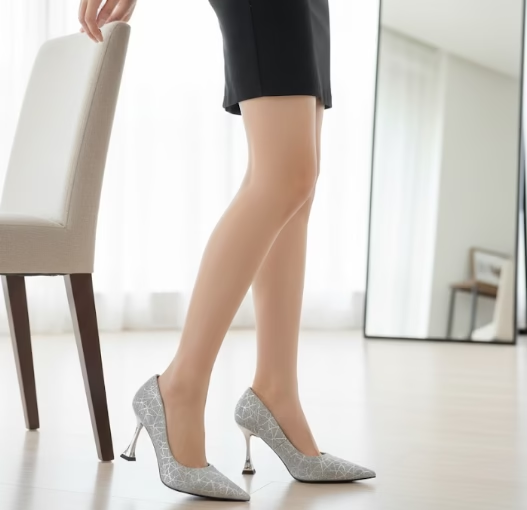
Starting with Beginner-Friendly Heel Styles and Heights
If you’re new to heels, avoid high stilettos. Begin with low block heels, kitten heels, or wedges. These styles offer better stability and allow your feet to adapt gradually without excessive strain.
Simple Practice Exercises to Improve Balance and Confidence
Practice walking in a straight line, standing on one foot, or rising slowly onto your toes while barefoot. These exercises strengthen stabilizing muscles and improve coordination, which directly translates into more confident heel walking.
Common Beginner Mistakes and How to Avoid Foot Pain Early
Common mistakes include taking overly large steps, locking the knees, and wearing heels that don’t fit properly. Choosing the wrong size or heel type early on can quickly lead to pain and discouragement. Comfort should always come before height.
Foot Care Tips to Prevent Pain and Strain
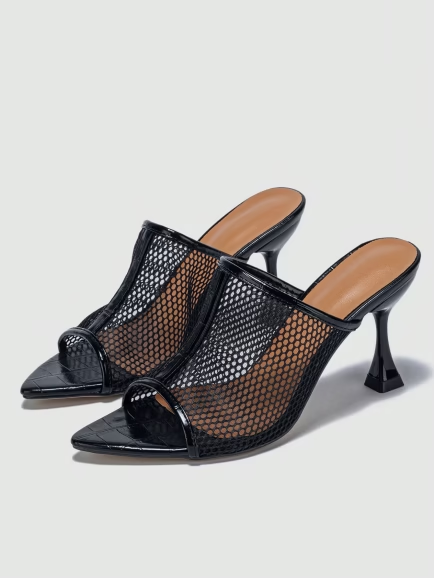
Stretching and Strengthening Exercises for Feet and Calves
Stretching calves and arches after wearing heels helps prevent muscle tightness. Simple stretches, foot rolling with a massage ball, and toe flexibility exercises can significantly reduce soreness and long-term strain.
Using Insoles, Pads, or Anti-Slip Solutions for Added Comfort
Gel pads, cushioned insoles, and anti-slip forefoot pads help absorb shock and prevent excessive pressure on sensitive areas. These accessories are especially helpful for long events or extended standing.
Knowing When to Rest, Switch Shoes, or Stop Wearing Heels
Pain is a signal, not something to ignore. Switching to flats during long days, alternating heel heights, or giving your feet rest days can prevent chronic discomfort and injury.
Custom Women’s Shoes: A Smarter Long-Term Solution
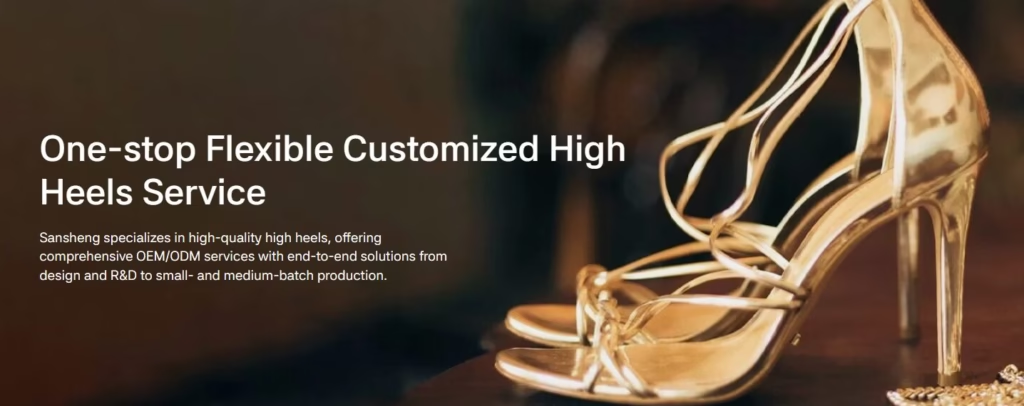
Why Choose Sansheng Shoes?
Sansheng Shoes specializes in custom women’s footwear, combining ergonomic design with refined aesthetics. Instead of forcing feet to adapt to mass-produced shoes, Sansheng designs shoes around real foot anatomy, reducing pressure points and improving overall comfort.
Customization Options: Heel Height, Toe Shape, Arch Support, and Materials
Custom women’s shoes allow precise adjustments, including heel height tailored to comfort, toe box width that matches foot shape, built-in arch support, and carefully selected materials. These details work together to create shoes that feel as good as they look.
Why Custom High Heels Offer Better Comfort for Frequent or Long-Term Wear
For women who wear heels regularly—for work, events, or daily styling—custom high heels provide long-term benefits. Improved fit reduces fatigue, enhances posture, and minimizes foot pain, making high heels sustainable rather than exhausting.
Conclusion
Walking in high heels without pain or strain is not about enduring discomfort—it’s about understanding your feet, choosing the right shoes, and using proper technique. From selecting comfortable designs to learning how to walk correctly and caring for your feet, small changes make a big difference.
For those seeking the ultimate balance between elegance and comfort, custom women’s shoes offer a smarter, healthier solution—allowing you to walk confidently, beautifully, and pain-free.