
Finding the high heels most comfortable enough for daily life is not a myth—it’s mainly about choosing the right heel geometry, support, and fit. The good news: you don’t have to sacrifice a polished look to get real comfort. In this guide, you’ll learn which heel types feel best, what to buy for work and wide feet, and how to choose heels you can actually wear all day.
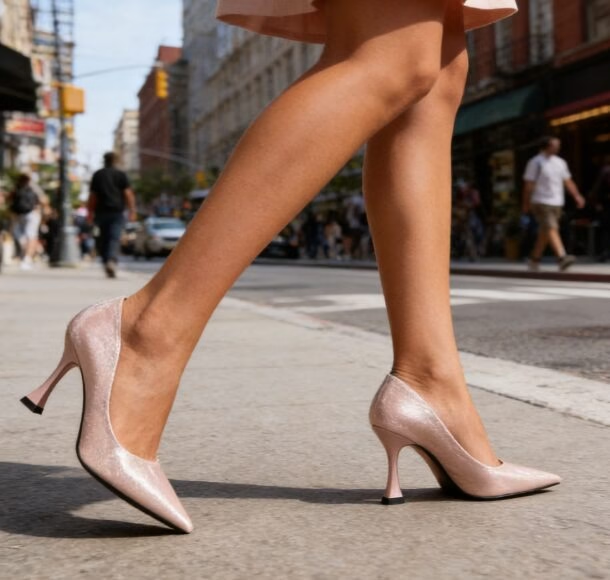
“Comfortable heels” usually share three traits: stable heel shape, moderate height, and built-in support (cushioning + arch + secure fit). When any of these is missing—especially stability—foot fatigue rises fast.
For most people, the comfort sweet spot is:
1.Heel height: ~1.5–2.5 inches (4–6.5 cm)
2.Heel shape: block or wedge (more ground contact = more stability)
3.Support: cushioned insole, slight arch support, and a secure upper (straps, structured leather, or snug vamp)
| Heel Type | Comfort Level | Best For | Why It Feels Better | Common Trade-offs |
| Block Heels | High | Work, commuting | Wide base = stability | Can feel heavier |
| Wedges | High | Outdoor, long standing | Weight distributed evenly | Less “formal” look |
| Kitten Heels | Medium–High | Office, meetings | Lower height, elegant | Narrow base varies |
| Platform Heels | Medium | Events, style | Reduces foot angle | Bulkier, less breathable |
| Stilettos | Low–Medium | Short wear | Sleek silhouette | High pressure + instability |
If your goal is professional heels that don’t punish your feet, kitten heels are often the best compromise. They usually sit around 1–2 inches, which reduces forefoot pressure compared to higher heels. They also look polished with trousers, dresses, and suits—so you get an office-ready silhouette without the “foot-on-fire” feeling by lunch.
To maximize comfort with kitten heels, look for:
1.A slightly wider kitten heel (not needle-thin)
2.Almond or round toe (less toe compression)
3.Cushioned forefoot padding (ball-of-foot comfort is key)
4.Secure heel cup (prevents slipping and blisters)
Both can be excellent, but the “best” depends on your day.
1.Choose block heels if you:
Walk on mixed surfaces (sidewalks, office floors, transit)
Need a formal look for meetings
Prefer a “normal shoe” feel with stable footing
2.Choose wedges if you:
Stand for long periods (retail, events, teaching)
Walk outdoors often (grass, uneven pavement)
Want pressure distributed across the foot (less concentrated load)
A simple rule: block heels are usually more office-formal, while wedges are often better for prolonged standing.
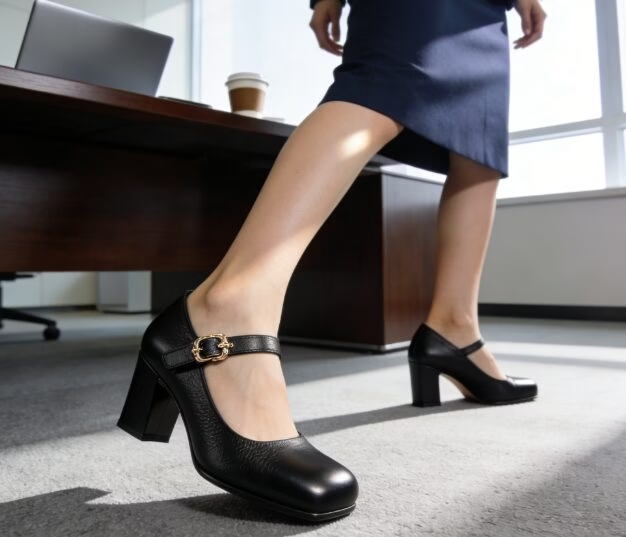
Work heels should be stable, quiet, supportive, and appropriate for long meetings plus commuting. When shopping, think “boardroom + sidewalk,” not “runway.”
The most comfortable heels for work are typically:
1.2-inch block heels
2.low-to-mid kitten heels
3.structured pumps with cushioning
4.closed-toe styles with secure fit
moderate heel pitch (your foot shouldn’t feel “slid forward”)
A comfortable work heel also needs traction. Many people focus on the insole and forget the outsole—slip risk and tension in the calves can make even cushioned shoes feel exhausting.
Best comfortable heel styles for professional wear:
1.2-inch block-heel pumps (almond toe)
Best overall balance of polish + stability for daily office wear.
2.Kitten-heel slingbacks (wide-base kitten heel)
Great for meetings and smart-casual offices; look for a secure strap.
3.Block-heel loafers or heeled oxfords
Office-appropriate and supportive, especially with firmer uppers.
4.Low platform pumps (subtle platform)
Helpful if you want the look of height with less steep foot angle.
5.Block-heel ankle-strap heels
Straps improve security and reduce toe gripping (less fatigue).
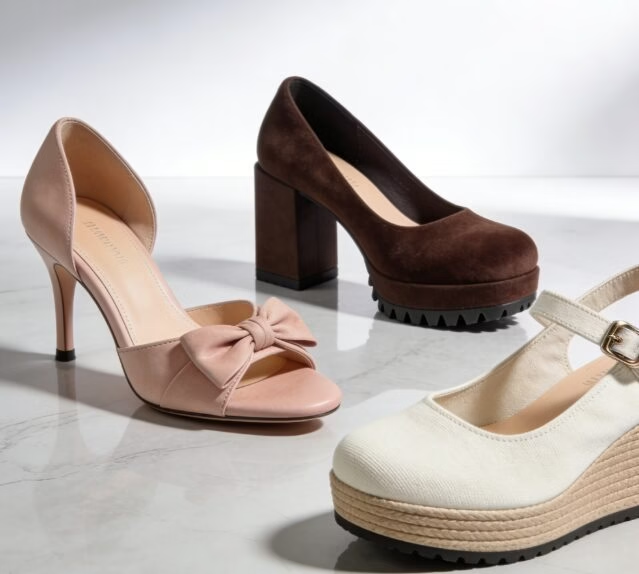
If you have wide feet, comfort starts with fit—not heel height. Many “painful heels” are actually the wrong width or toe shape.
The most comfortable heels for wide feet usually have:
1.Wide-width options (true wide, not “runs wide”)
2.Round or almond toe
3.Soft/stretch upper (or structured leather that breaks in well)
4.Lower heel height (reduces forward slide)
5.Wider heel base (less wobble = less toe gripping)
Wide-feet fit rules that prevent pain fast:
1.Don’t size up for width unless the brand specifically recommends it. Sizing up often causes heel slip and blisters.
2.Prioritize wide widths (or generous toe boxes) over extra length.
3.Avoid sharp point-toe shoes for long wear—even if they look sleek.
4.Test fit in the afternoon: feet swell slightly, and you’ll get a more realistic fit.
5.If the ball-of-foot feels compressed while standing still, it will be worse after an hour.
(h3)Best heel types for wide feet (Best list format)
Best heel types for wide feet:
1.Block heels (2 inches) with almond/round toe
2.Wedges with roomy toe box
3.Low kitten heels with wider heel base
4.Platform block heels (moderate pitch)
5.Heeled Mary Janes (strap adds security + comfort)
| Problem | What to Choose | What to Avoid |
| Toe squeeze | Round/almond toe, wide width | Sharp pointed toes |
| Forefoot pressure | Cushion + lower heel | Thin insoles, high stilettos |
| Instability | Block heel/wedge | Narrow stilettos |
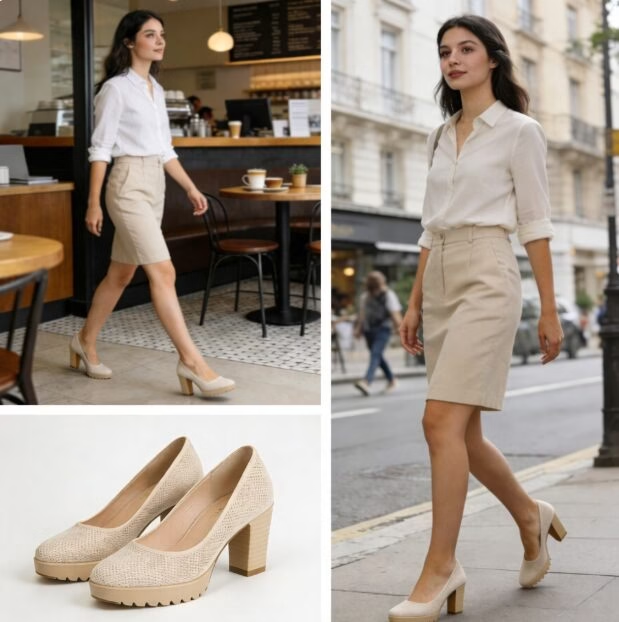
All-day heels aren’t just about “soft cushioning.” The real secret is reducing fatigue triggers: forward slide, unstable heel strike, lack of arch support, and poor traction.
The most comfortable heels to wear all day are typically:
1.1.5–2.5 inch block heels
2.supportive wedges
3.low kitten heels with padding
4.low platform block heels (to reduce pitch)
5.heels with straps or secure uppers (less gripping = less fatigue)
1.Heel Height vs Wear Time (Typical Tolerance)
(This varies by body mechanics and activity level, but it’s a helpful baseline.)
1.0–1.5 in (0–4 cm): 8–12 hours (high tolerance)
2.1.5–2.5 in (4–6.5 cm): 6–10 hours (best “all-day” zone)
3.2.5–3.5 in (6.5–9 cm): 3–6 hours (moderate tolerance)
4.3.5+ in (9+ cm): 1–3 hours (low tolerance for most people)
All-day heels by real-life scenario:
1.Commuting + office: 2-inch block-heel pump, almond toe, grippy sole
2.Standing-heavy jobs: supportive wedge or block heel with thicker insole
3.Client meetings + walking: kitten heel slingback (wide base) or block heel Mary Jane
4.Events that still require comfort: subtle platform block heel (not ultra-high)
5.Travel days: wedge or block heel with strap + traction outsole
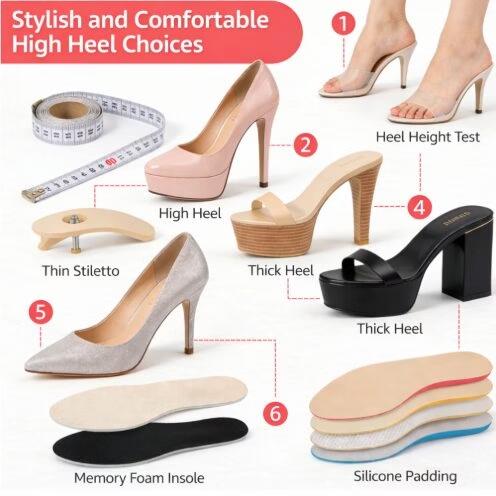
Buying comfortable heels is a process—if you skip one step, you often pay for it later (literally and physically).
Step 1 — Measure and fit (length, width, arch)
Measure both feet; fit the larger foot.
Confirm toe room: toes should lie flat, not stacked or squeezed.
If you have higher arches, look for arch contour or supportive insoles.
Step 2 — Pick the right heel geometry
For comfort, prioritize block heels, wedges, and stable kitten heels.
Avoid ultra-thin heels if you walk a lot or stand frequently.
Step 3 — Evaluate cushioning + support
Look for forefoot padding (ball-of-foot comfort matters most).
A slightly firmer midsole can be more supportive than super-soft foam.
Structured uppers reduce foot sliding and toe pressure.
Step 4 — Check outsole grip + durability
Smooth soles can create tension (you “brace” to avoid slipping).
A textured outsole improves confidence and reduces fatigue.
Step 5 — Test-walk protocol
Do a real test:
Walk on hard floors for 3–5 minutes.
Do stairs (up and down).
Pay attention to sliding, toe pinch, heel slip, and wobble.
If any of these show up immediately, don’t expect them to “magically disappear.”
Decision Flow
1.Wide feet? → prioritize toe box + width options
2.Work wear? → choose stable heel + conservative height
3.All-day? → maximize cushioning + traction
4.Style priority? → consider platform or low kitten heel instead of stiletto
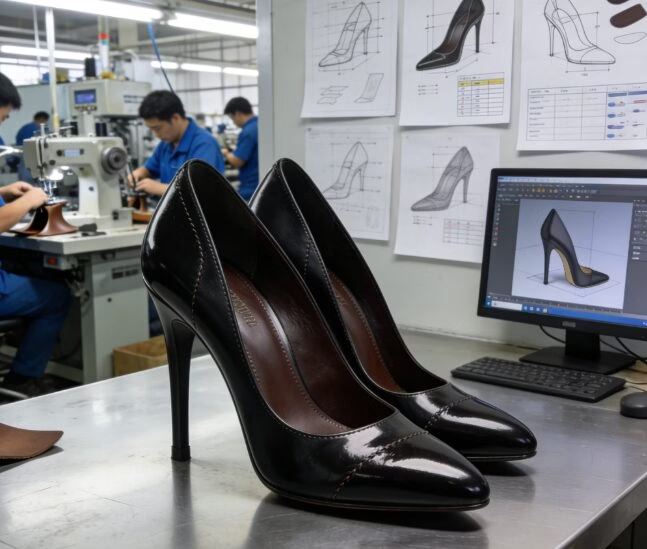
Comfort isn’t only a design issue—it’s also a manufacturing issue. Two heels can look identical but feel completely different due to materials, tolerances, and assembly consistency.
When production is inconsistent, you’ll see:
1.uneven heel placement (instability)
2.mismatched sizing between pairs
3.poorly bonded insoles that flatten quickly
4.inconsistent toe box volume (one shoe “tighter”)
Good production capability reduces those “one foot hurts, the other doesn’t” experiences.
Comfort-driven brands usually invest in:
1.last design (the foot-shaped mold that determines fit)
2.pressure mapping and wear testing
3.iterative prototypes to optimize heel pitch, toe spring, and support placement
Even small geometry changes can reduce forefoot pressure and improve stability.
Quality control that improves comfort often includes:
1.heel alignment checks (straight, stable heel strike)
2.outsole bonding and flex testing
3.insole compression testing (prevents fast “flattening”)
4.size/width verification across batches
5.upper seam and lining checks to prevent rubbing/blisters
If you want the most comfortable high heels for everyday and professional wear, start with stable heel types (block, wedge, supportive kitten), aim for the 1.5–2.5 inch range, and prioritize fit + cushioning + traction. The right choice will look sharp—and feel wearable past your first coffee break.
If you want, tell me your typical use case (commuting distance, standing time, office dress code) and whether you have wide feet, and I’ll recommend the best heel type and ideal height range for you.