
Quick Answer
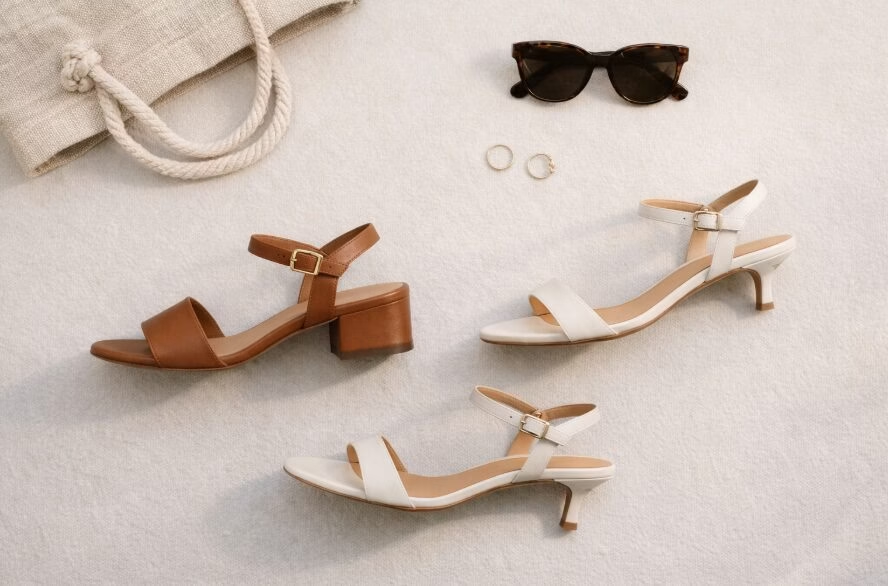
For all-day summer wear, low heel sandals usually outperform kitten heel sandals because they offer steadier support, easier walking, and less fatigue, while kitten heels are better for polished, shorter outings.
Key Takeaways
Abstract
For long summer wear, the choice between low heel sandals and kitten heel sandals depends on stability, pressure distribution, and occasion. In most daily situations, comfortable low heel sandals provide better balance and easier walking, while kitten heels sandals create a dressier silhouette for shorter, lighter use. The best pair should match your foot shape, strap support, and expected wear time – not just the heel height shown online.
Contents
1.What is the difference between low heel sandals and kitten heel sandals?
2.Where each style works best: commute, shopping, travel, and dinner
3.How to choose by foot shape and wear time
4.Common buying mistakes with women’s heeled sandals
5.FAQ
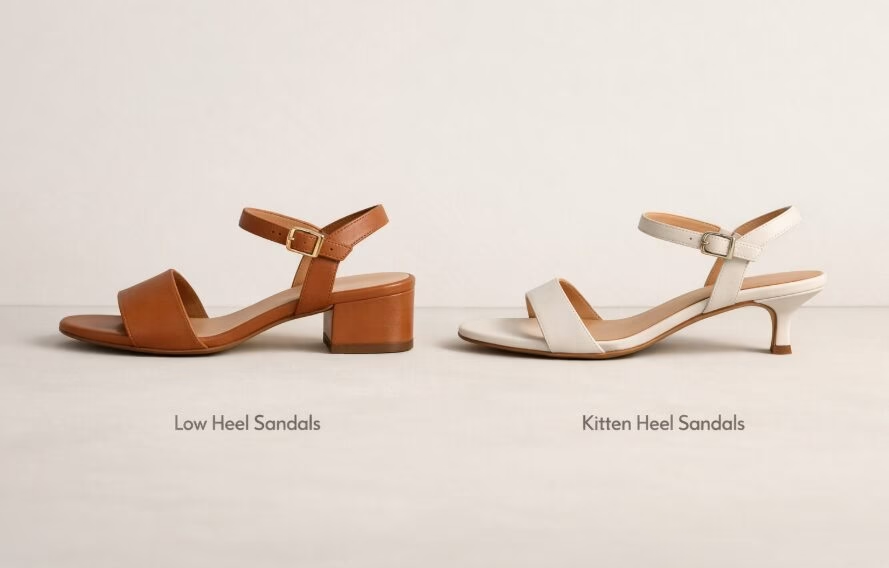
The core difference is how the heel supports your body while walking. Low Heel Sandals typically have a lower, more stable heel shape that spreads weight more evenly across the foot. Kitten Heel Sandals, by contrast, use a slimmer and slightly elevated heel that looks refined but concentrates pressure more narrowly. In practical terms, that means comfortable low heel sandals are usually easier to wear all day, while tiny heel sandals are often chosen for style-first outfits.
In fashion retail, low heel sandals usually sit around 1 to 2 inches and often have a block, wedge, or wider sculpted base. The key feature is not only moderate height, but also better surface contact with the ground.
Kitten heel sandals are normally defined by a slim heel, often around 1.5 to 2 inches, designed to look elegant without reaching full high-heel height. They visually lengthen the leg, but the narrower heel can reduce stability on uneven summer surfaces.
Comparison table: comfort and use-case snapshot
| Feature | Low Heel Sandals | Kitten Heel Sandals | Best signal |
| Typical structure | Lower and broader base | Slimmer heel profile | Stability vs elegance |
| Walking comfort | Better for longer distances | Better for short wear | Daily movement |
| Visual effect | Relaxed and versatile | Dressier and sharper | Styling priority |
| All-day potential | Usually higher | Usually moderate | Wear time |
| Surface performance | Better on pavement and travel days | Less ideal on grates or uneven paths | Summer terrain |
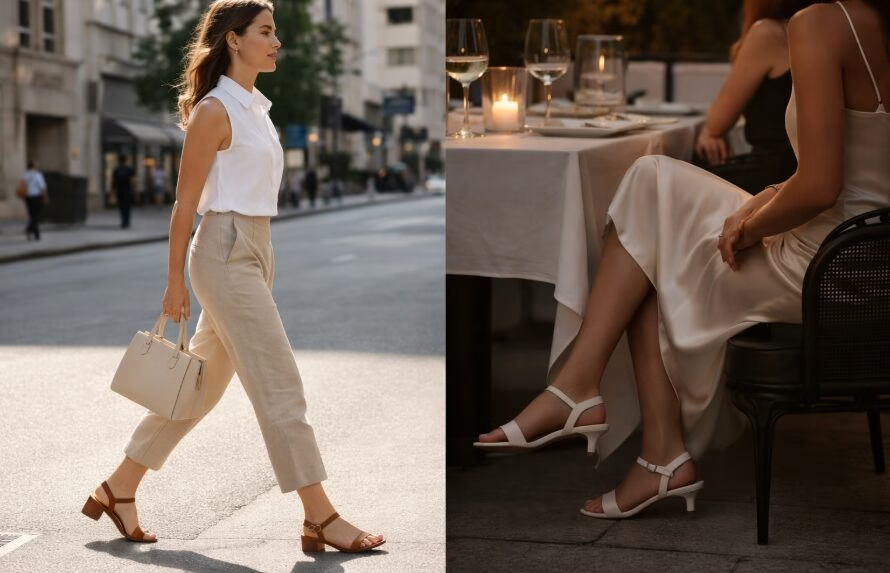
If your summer schedule includes movement, transitions, and long standing periods, shoe context matters more than trend language. Below is the clearest way to match the shoe to the situation.
For commuting, low heel sandals win in most cases. A wider heel and more secure upper help reduce wobble on stairs, sidewalks, and transit platforms. If your office dress code is polished, a refined block-heel sandal gives a similar finish to women’s heeled sandals without the fragility of a kitten heel.
Shopping days favor comfortable low heel sandals because they support repeated stop-and-go walking. Even stylish small heel sandals can become tiring when the front strap presses into the forefoot or the heel lands too narrowly.
For travel, Low Heel Sandals are the stronger choice. Airports, cobblestones, and long museum routes demand stability. Kitten Heel Sandals can work as a packed second pair for dinner, but rarely as the primary sightseeing shoe.
Dinner is where Kitten Heel Sandals shine. They look lighter, cleaner, and more elevated with dresses or tailored trousers. When wear time is short and walking is limited, the aesthetic payoff often outweighs the comfort tradeoff.
Scenario guide: which pair is usually better?
| Scenario | Better pick | Why |
| Commute | Low Heel Sandals | Steadier on stairs and during long standing periods. |
| Shopping | Low Heel Sandals | Better for repeated walking and carrying weight. |
| Travel | Low Heel Sandals | More practical on mixed surfaces and long routes. |
| Dinner | Kitten Heel Sandals | Dressier finish with lower visual bulk. |
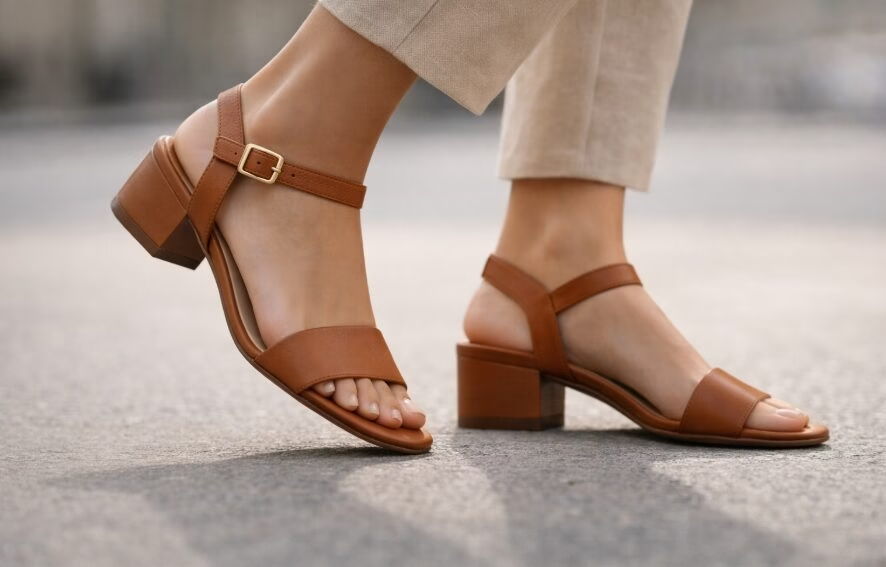
Choose low heel sandals with a wider toe shape, soft upper materials, and at least two secure straps. Avoid pairs where the front band narrows sharply, because that often creates rubbing long before the heel itself becomes a problem.
If your feet are narrow, kitten heel sandals may stay on more neatly – but only when the straps are adjustable. A slim heel without good upper hold still causes instability, especially if the insole is slick.
For extended wear, prioritize heel base, arch support, forefoot width, and strap placement. This is why comfortable low heel sandals tend to outperform tiny heel sandals over time: the body works harder to stabilize a narrow heel with every step.
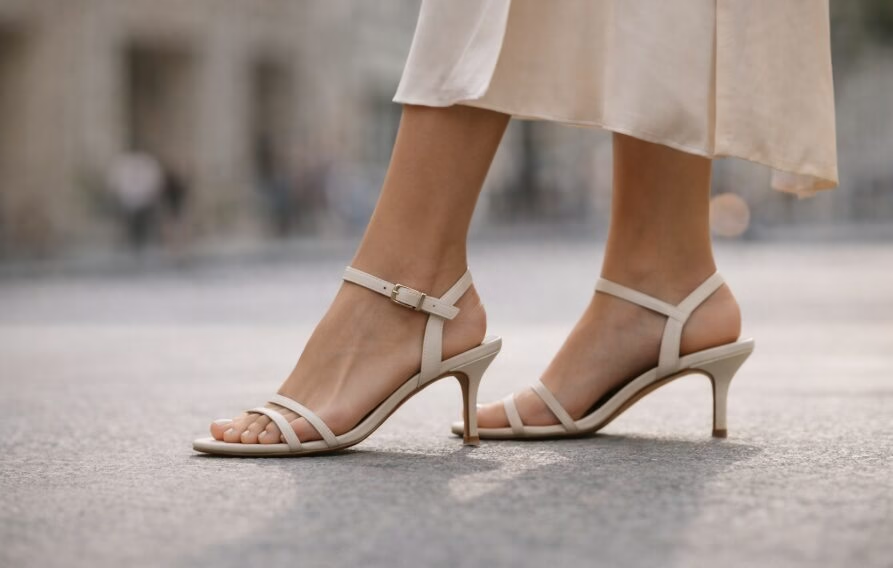
A low heel is not automatically comfortable. Some small heel sandals have very narrow heel tips that feel unstable on summer pavement.
Minimal straps may look sleek, but they force your toes to grip while walking. That creates fatigue and friction faster than many shoppers expect.
A narrow toe area can make either style uncomfortable. Always judge the whole shoe shape, not just the label Low Heel Sandals or Kitten Heel Sandals.
Explore our heeled sandal collection for low heel, kitten heel, and other comfort-led designs made for all-day wear.
They are acceptable for short, light walking, but they are usually not the best choice for full-day wear or travel-heavy plans.
They can be. A clean vamp line and balanced proportions often look just as elegant as a kitten heel, especially in minimal summer styling.
A broader heel base is usually the most forgiving because it improves balance and reduces side-to-side strain.
Pack Low Heel Sandals as the main pair, then add Kitten Heel Sandals only if you want a dressier option for dinner or events.

For all-day summer wear, Low Heel Sandals are the more dependable choice. They support movement, suit more daily settings, and adapt better to real walking conditions. Kitten Heel Sandals remain a strong fashion option for shorter, dressier moments – but when comfort, mileage, and versatility matter, low heels usually win.