
Abstract:
Walking in heels looks effortless when done well, but it is a learnable skill built on the right shoe choice, stable posture, controlled steps, and smart practice. This 2026 guide explains how to walk in heels for beginners, how to walk in heels without pain, and how to build confidence fast with a practical 7‑day plan. You’ll also learn how not to walk in heels, how to handle stairs and surfaces, and how heel construction—materials, cutting alignment, stitching, toe shaping, and heel refining—affects comfort and stability. Product examples include stiletto high heels, high heel shoes leopard print styles, and a quick buyer section for custom heels for women and wholesale heels.
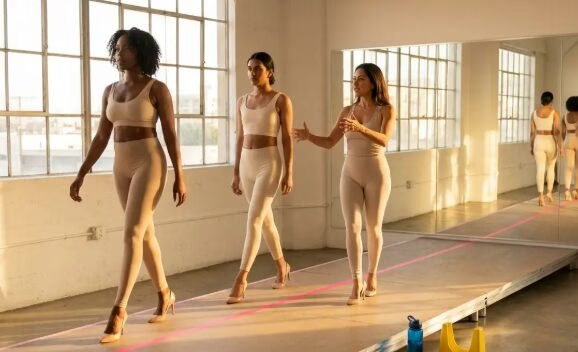
If you’ve ever watched someone walk in heels smoothly, it can feel like they were born with the talent. In reality, the ability to walk in heels comes from repeatable mechanics: balance, alignment, and step control. High heels shift your center of gravity forward, increase pressure on the ball of the foot, and reduce the contact area with the ground—especially in stiletto high heels. That’s why even a confident walker can feel shaky in a new pair. The good news is that this skill is highly trainable: with the right shoes and a short practice routine, your body learns to stabilize the ankle, stack the joints, and move with smaller, cleaner steps.
This article is designed for (1) beginners searching how to walk in heels for beginners, (2) anyone who wants to know how to walk in heels without pain, and (3) readers who need a clear method for how to walk in heels in 7 days before an event. It also includes common mistakes—how not to walk in heels—so you can self-correct quickly. Finally, if you’re buying or sourcing heels, the quality section connects walking comfort to manufacturing steps like material preparation, cutting alignment, hidden stitching, toe shaping, and heel refining.
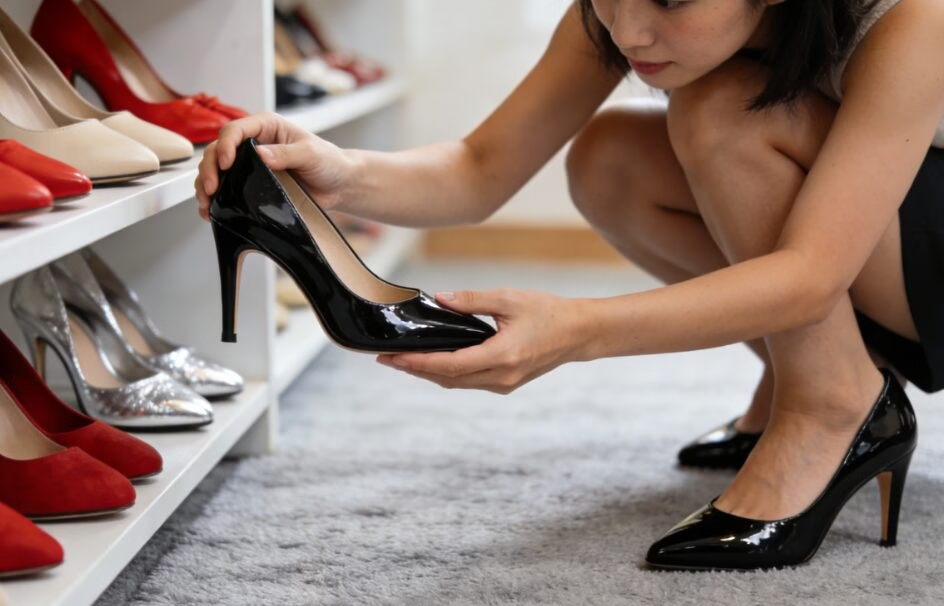
Confidence starts with the shoe. The fastest way to struggle is to learn in an unstable pair. Block heels typically offer the best stability because the base is wider and distributes weight more evenly. Pumps can look elegant, but beginners often experience heel slip and friction until they find the right last and fit. Platforms can reduce the effective pitch of the foot (the angle between heel and toe), which may help some people walk longer. By contrast, stiletto high heels require advanced control because the heel base is narrow and small deviations in balance create visible wobble.
Fashion styles like high heel shoes leopard print are often purchased for appearance first. That’s perfectly fine—just choose a construction that supports walking: consider an ankle strap for stability, a slightly wider stiletto, or a modest heel height if you plan to wear them for long periods. If you want the look of a stiletto but need more comfort, a platform stiletto can be a smart compromise.
As a simple rule: the wider the heel base and the lower the pitch, the easier it is to walk. Heel height matters, but it’s not the only factor—materials, fit, and outsole grip can make a medium heel feel harder than a taller, well-built shoe.
| Heel Type | Stability Level | Beginner Friendly | Best Use Case |
| Block Heel | High | Yes | Daily wear, office |
| Kitten Heel | Medium | Yes | Practice & commuting |
| Platform Heel | Medium-High | Yes | Long wear events |
| Pump | Medium | Some | Formal occasions |
| Stiletto High Heels | Low | No | Advanced wear, photos |
Use this quick checklist before you train:
• Minimal heel slip (your heel shouldn’t lift noticeably with each step)
• Toes are not cramped; no numbness after a few minutes standing
• Arch feels supported (add an insole if needed)
• Outsole and heel tip have grip (fresh rubber tips help on tile and wood)
• If choosing stiletto high heels, consider an ankle strap for extra security
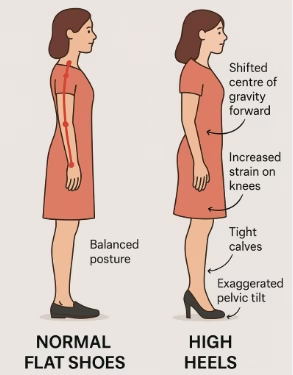
When you walk in heels, posture isn’t about looking “proper”—it’s about placing your body weight over the most stable line. Aim for a stacked alignment: ears over shoulders, shoulders over hips, hips over ankles. Keep your core lightly engaged, ribs down (not flared), and knees soft (never locked). Many beginners lean forward to “fight” the heel height, which increases pressure on the forefoot and makes wobbling worse. Instead, think tall and centered. If your calves feel tight, shorten your stride rather than bending at the waist.
How not to walk in heels often comes down to a few habits:
• Locking the knees (reduces shock absorption and increases shaking)
• Leaning forward from the waist (pushes weight into the toes)
• Lifting shoulders and tensing arms (throws off balance)
• Looking down constantly (causes the upper body to pitch forward)
A better approach is to keep your gaze ahead, relax the shoulders, and let the arms swing naturally for balance.
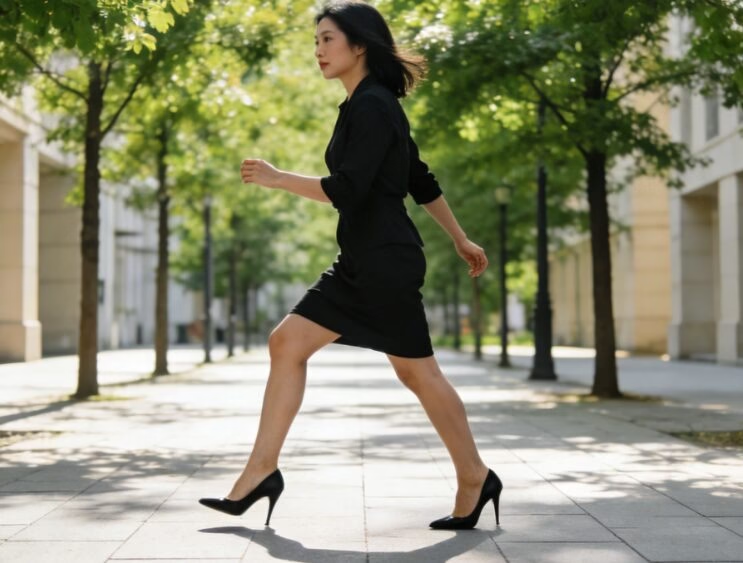
Most people walk best in heels with a controlled heel-to-toe roll: place the heel down first, then transfer weight forward smoothly without slamming the foot. The key is step length. Over-striding is the reason beginners feel unstable and sore. Take smaller steps so your feet land closer under your hips, not far in front. If the heel is very thin (classic stilettos), keep steps even smaller and focus on placing the heel straight down rather than at an angle.
To reduce pain, pace yourself. If you’re learning how to walk in heels without pain, build tolerance gradually. Start with 10–15 minutes, then increase time. When the ball of the foot starts burning, that’s a signal to pause, stretch the calves, and reset your posture rather than pushing through and developing poor mechanics.
| Pain Area | Likely Cause | Immediate Fix | Long-Term Solution |
| Ball of foot | Over-striding | Gel pads | Lower pitch heels |
| Heel blisters | Loose fit | Heel grips | Better last design |
| Toe numbness | Narrow toe box | Size up | Wider toe shape |
| Ankle fatigue | Thin heel | Short sessions | Strength training |
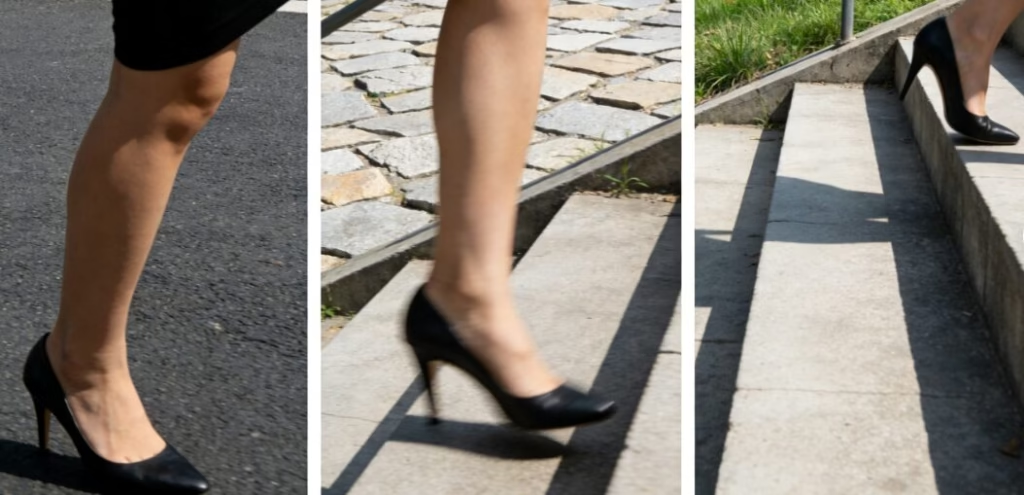
Turning is where many people lose balance, especially in stiletto high heels. Instead of pivoting on one foot, use micro-steps: take two or three small steps to rotate your body. Keep your hips stable and avoid twisting the knee. If you’re wearing high heel shoes leopard print for an event, practice turning in the full outfit—long skirts and tight dresses can shorten stride and change your balance.
For stairs, slow down and prioritize safety over speed. Going up, place as much of the foot on the step as possible. Going down, hold the handrail, take smaller steps, and aim the heel straight. On uneven ground (cobblestones, grass), avoid thin heels when possible. If you must wear stilettos, consider heel protectors and walk where the surface is most even.
| Surface | Risk Level | Recommended Heel Type |
| Carpet | Low | Any |
| Tile/Wood | Medium | Block / platform |
| Pavement | Medium | Pumps with grip |
| Grass | High | Avoid stilettos |
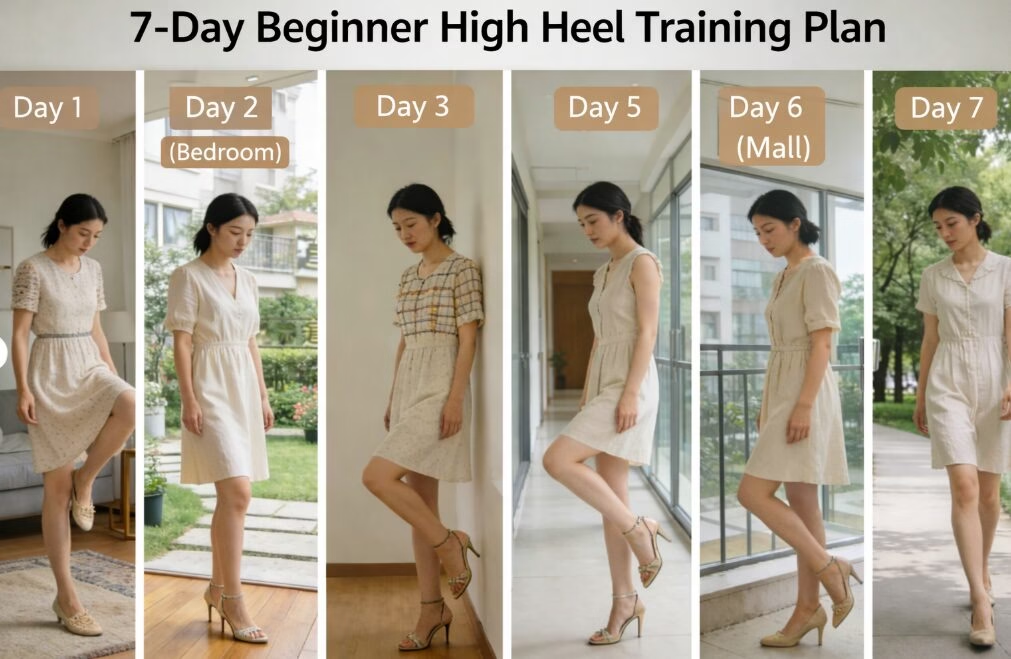
If you have a deadline—wedding, party, or professional event—this plan helps you learn how to walk in heels in 7 days. The goal is not perfection; it’s stability, comfort, and confidence. Practice on a safe surface first, then gradually add real-world challenges.
| Day | Focus | Shoe Type | Practice Time |
| 1 | Posture | Block heel | 10 min |
| 2 | Step control | Block heel | 12 min |
| 3 | Turns | Ankle-strap heel | 12 min |
| 4 | Speed control | Pump | 15 min |
| 5 | Surface training | Pump | 15 min |
| 6 | Endurance | Event heels | 20 min |
| 7 | Real-world test | Final choice | 15 min |
For beginners, start with stability and progress slowly. Choose a block heel or ankle-strap style, practice short steps, and stop before pain forces sloppy form. If you plan to graduate to stiletto high heels, spend at least a few sessions building ankle strength and balance first. Remember: learning to walk in heels is like learning a new movement pattern—small, consistent practice beats one long, exhausting session.

Shoe construction directly affects comfort. Softer, well-prepared uppers can reduce stiffness and friction during break-in. Higher-quality leather preparation improves flexibility and can help reduce discomfort compared with overly rigid materials.
Precise cutting and accurate pattern alignment help keep the shoe balanced from left to right. When components are aligned consistently, the foot sits more securely, reducing sliding and improving stability—important for both pumps and stilettos.
Toe shaping influences pressure on the forefoot and toes. A well-shaped toe box supports the front of the foot without compressing it. Hidden stitching and clean bonding reduce internal seams that can cause rubbing. Heel refining and quality heel tips improve traction and reduce slip risk on smooth floors. These details matter when you want to walk in heels without pain for extended wear.
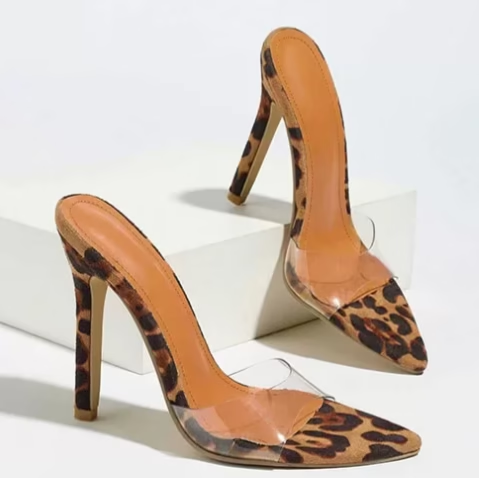
Leopard print heels are statement pieces, so comfort planning matters. If you’ll be standing or walking a lot, pick leopard print styles with a stable heel base, a secure upper, and sufficient toe room. For beginners, a block-heel leopard print shoe can deliver the look with less wobble. Add anti-slip pads for tile floors and carry blister tape for backup.
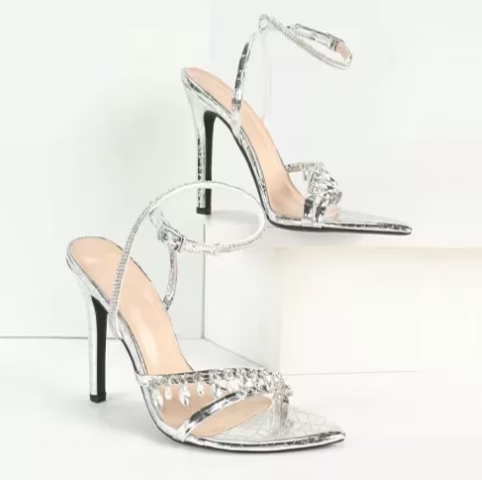
Stiletto high heels demand precise foot placement and smaller steps. Practice micro-turns, avoid rushing on stairs, and choose routes that minimize uneven surfaces. Keep heel tips in good condition, because worn tips reduce grip and can make the heel feel unstable. If you’re sourcing or designing stilettos, consider outsole texture and heel alignment as non-negotiable comfort features.
The real trick to walking in high heels is control, not speed. Start by choosing heels that fit properly and offer stability, then focus on posture and small, deliberate steps. Keep your weight centered over your heels, engage your core lightly, and avoid over-striding. Walking heel-to-toe with shorter steps helps reduce wobbling and pressure on the ball of the foot. With consistent practice, your ankles and balance naturally adapt, making heels feel far more manageable.
To avoid looking awkward in heels, focus on smooth movement and relaxed posture. Keep your shoulders down, arms swinging naturally, and eyes looking forward instead of down at your feet. Take smaller steps and maintain a steady rhythm—rushing often causes stiff or shaky movements. Turning with small steps instead of sharp pivots also improves elegance. Confidence in heels comes from looking relaxed, not from walking fast.
Yes, most people do get used to heels over time. As you practice, your muscles, balance, and coordination adapt to the altered center of gravity. The key is gradual exposure—starting with more stable heels and shorter wear times, then progressing slowly. Many beginners notice significant improvement within one to two weeks of consistent practice. Once your body adapts, walking in heels feels more natural and far less tiring.