
Quick Answer
Retro High Heels are back in 2026 because fashion is moving toward nostalgic but wearable silhouettes: high-vamp heels feel more secure and polished, square-toe pumps add a sharper modern line, and 90s heels balance minimalism with personality. For brands and shoppers, the most relevant direction is not costume-like vintage styling, but updated retro heels that feel current, versatile, and easier to integrate into everyday wardrobes. Current fashion coverage from Vogue, InStyle, Who What Wear, and Pinterest’s annual trend forecasting all point to nostalgia-driven footwear and refined vintage-inspired shapes as meaningful signals rather than one-season noise.
Key Takeaways
Nostalgia, wearability, silhouette clarity, foot coverage, square toes, low-key glamour, 90s minimalism, styling versatility, sharper pumps, vintage cues, modern merchandising, capsule dressing, trend longevity, comfort perception, editorial relevance, commercial adaptability.
Abstract
This article explains why Retro High Heels are gaining momentum in 2026, what defines the most commercially important sub-styles, and how brands and consumers can wear them in a modern way. It focuses on three trend drivers: vintage high heels, high-vamp heels, and square-toe pumps, with practical guidance on styling, merchandising, and seasonal collection planning. It also answers common shopper questions such as whether retro heels are still in style, who should wear square toes, and how to make 90s heels look contemporary instead of dated.
Table of Contents
Why Retro High Heels Are Back in 2026
What Defines a Modern Retro Heel?
-High-Vamp Heels
-Square-Toe Pumps
-90s Heels
Why These Shapes Work for Modern Wardrobes?
How to Style Vintage High Heels Without Looking Costume-Like?
-Daywear
-Office and smart casual
-Evening and event dressing
A Buyer’s Guide to Choosing the Right Retro High Heels
Final Thoughts
FAQ About Retro High Heels
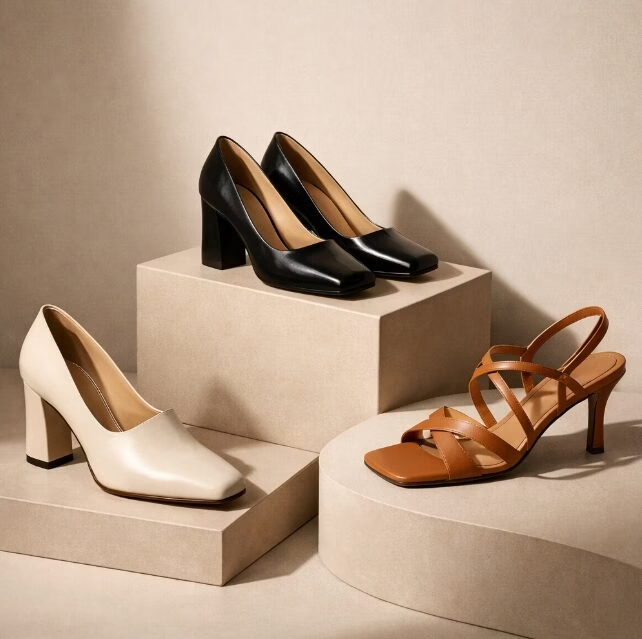
The return of Retro High Heels is not only about nostalgia. It is also about proportion, practicality, and visual distinction. Recent fashion coverage has highlighted the comeback of multiple 90s heels silhouettes, especially square-toed pumps, mules, and low-key vintage-inspired styles that feel refined rather than flashy. Vogue’s 2026 trend reporting specifically points to the renewed relevance of ’90s heels, including square-toe pumps, while InStyle has called out the rise of snug, foot-hugging high-vamp heels as a key spring direction.
There is also a broader trend logic behind this shift. Pinterest Predicts continues to frame nostalgia-led style movements as commercially meaningful early signals, and Lyst describes its trend index as being informed by a very large global fashion-shopping dataset, which helps explain why revived archival and throwback shapes keep reappearing in both editorial and retail. In other words, vintage high heels are returning because consumers want shoes that look distinctive in content, lookbooks, and everyday styling, while still feeling wearable.
Trend Signal Snapshot
Trend signal What it suggests for this topic
| Trend signal | What it suggests for this topic |
| Vogue’s 2026 coverage of returning 90s heels | Nostalgic heel silhouettes are editorially relevant |
| InStyle coverage of high-vamp heels | More foot coverage is being framed as chic and wearable |
| Who What Wear focus on modern pump variations | Classic pump families are evolving, not disappearing |
| Pinterest Predicts annual forecasting | Retro-coded aesthetics have mainstream traction potential |
The pattern across these sources is consistent: retro footwear is being updated through cleaner lines, softer minimalism, and more versatile heel profiles rather than theatrical “vintage costume” styling.
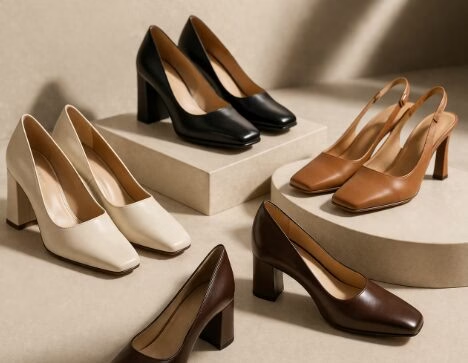
A modern retro heel usually combines one recognizable heritage feature with one contemporary styling decision. That might mean a higher vamp with a sleek finish, a square toe with a minimal upper, or a vintage high heels mood translated into a cleaner, more wearable pump.
High-vamp heels cover more of the top of the foot, creating a secure and polished line. This silhouette reads elegant, slightly intellectual, and more directional than a basic low-cut pump. Editorial coverage in 2026 has repeatedly emphasized that high-vamp shapes feel both fashionable and practical, which is one reason they are resonating now.
From merchandising perspective, high-vamp heels also perform well because the term captures a very specific user intent: shoppers are not just browsing “heels,” they are searching for a particular cut, fit, and aesthetic.
Square-toe pumps are one of the clearest visual shortcuts to a retro mood. Footwear trend coverage has repeatedly linked square toes to the 1990s comeback cycle, but current versions look sharper and more refined than old-school novelty pairs. Today, square toes are often styled with minimalist tailoring, denim, or column dresses rather than overtly vintage outfits.
For content strategy, this keyword is especially valuable because it bridges fashion-editorial language with product-search language. It attracts both inspiration-driven readers and conversion-oriented shoppers.
90s heels remain one of the strongest cultural anchors in footwear content. What makes them attractive in 2026 is their balance: they are more expressive than a plain basic heel, but less formal than classic occasion footwear. The strongest sub-directions include slim strappy shapes, sculptural pumps, square toes, and understated retro finishes. Vogue and Footwear News both connect the square toe and other revived heel categories to this broader ’90s return.
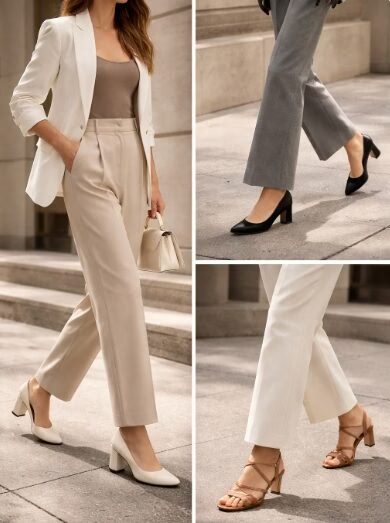
The best Retro High Heels work because they solve three modern wardrobe needs at once: visual freshness, styling flexibility, and easier day-to-night wear.
First, they photograph well. In a market shaped by AI overviews, image search, short-form video, and social discovery, shoes need an immediately readable identity. A square-toe pump or high-vamp heel is recognizable at a glance.
Second, they layer well with real wardrobes. A retro heel can sharpen jeans, soften tailoring, or add depth to a minimal monochrome outfit. That is why these styles keep appearing in trend coverage tied to current wardrobes rather than only runway nostalgia.
Third, they feel more wearable. Many consumers like the idea of heels but are moving away from extreme discomfort. Editorial coverage around newer pump directions repeatedly emphasizes walkability, support, or at least the perception of more secure wear. That helps explain why high-vamp heels and lower, balanced retro profiles feel especially relevant now.
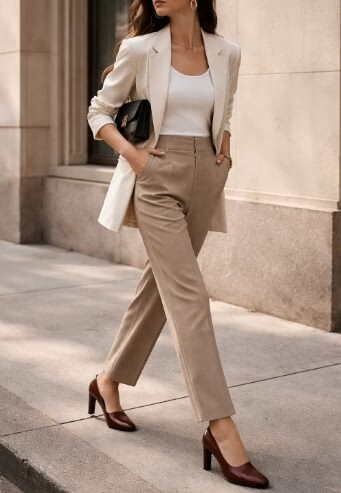
The most common Google-style question around this trend is simple: how do you wear vintage high heels so they look current? The answer is contrast.
Pair Retro High Heels with relaxed denim, a clean knit, or an oversized shirt. Let the shoe carry the vintage cue while the rest of the outfit stays streamlined. A square toe works particularly well here because it adds shape without making the outfit feel overdone.
For workwear, choose high-vamp heels or polished square-toe pumps in black, espresso, burgundy, or cream. Combine them with straight-leg trousers, midi skirts, or a softly structured blazer. The result feels smart and directional rather than trendy for trend’s sake.
For evening, 90s heels are strongest when they stay minimal: think slip dresses, clean hemlines, satin textures, and jewelry with restraint. A retro heel looks more expensive when the styling is edited.
Style Matrix
| Occasion | Best retro silhouette | Why it works |
| Casual daywear | Square-toe pumps | Adds structure to denim and basics |
| Office / smart casual | High-vamp heels | Looks polished and secure |
| Evening | 90s heels | Feels sleek, minimal, and dressy |
| Fashion-forward styling | Vintage high heels with modern outfit | Creates contrast and individuality |
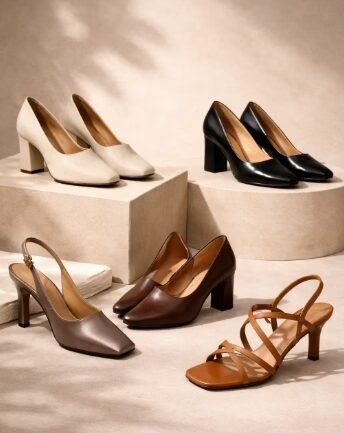
When choosing Retro High Heels, start with silhouette before decoration.
If the goal is versatility, go for square-toe pumps in smooth leather or patent with minimal hardware. If the goal is elevated everyday wear, high-vamp heels are often the better option because they feel more supportive visually and physically. If the goal is trend relevance, a restrained 90s heels profile is the safest buy because it aligns with both editorial momentum and practical styling.
Shoppers also commonly ask: are retro heels flattering? Usually yes, but the best choice depends on foot shape and wardrobe. Square toes can feel more balanced with wider-leg pants and clean hemlines, while high-vamp cuts often create a smoother line under tailored clothing.
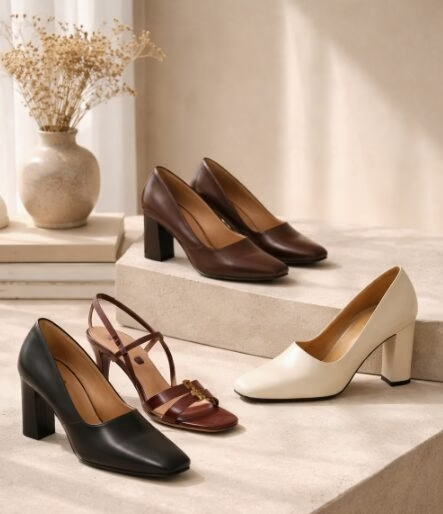
The appeal of Retro High Heels in 2026 comes down to a simple formula: nostalgia plus clarity plus wearability. The strongest versions are not overly theatrical. They are refined, specific, and easy to integrate into modern wardrobes. That is why high-vamp heels, square-toe pumps, and selective 90s heels are outperforming noisier trend pieces in both editorial conversation and practical styling value. Supported by current fashion reporting and trend forecasting, this category has both style credibility and commercial potential.
Yes. Current editorial coverage strongly supports the return of 90s heels, retro pumps, and updated vintage-inspired shoe shapes.
Vintage high heels usually refer to original or heritage-inspired styles, while modern retro heels reinterpret those cues with updated proportions, materials, and wearability.
Yes. Square toes remain one of the clearest continuing retro signals in contemporary footwear and are still being highlighted by fashion editors and luxury brands.
Because they combine coverage, elegance, and a more fashion-forward shape than a standard pump. Recent style coverage also frames them as more comfortable-looking and easier to wear.
Keep the outfit simple. Use one retro signal at a time, choose clean fabrics, and avoid layering too many vintage-coded pieces together.