
Abstract
High Heels are one of the most enduring categories in women’s footwear because they combine function, form, and style in a single design. The right pair can sharpen a work outfit, refine a wedding look, or bring energy to a party ensemble. But not all heels wear the same. Shape, heel height, materials, and construction all affect how a shoe looks and how it feels over time.
This guide explains the different types of high heel shoes, how to choose the right heel height for different needs, what defines high quality heels, and which styles work best for work, weddings, parties, and everyday wear. Whether you prefer elegant pumps, practical block heels, or bold stiletto high heels, this article offers a clear framework for choosing heels with more confidence.
Table of Contents
1. Different Types of High Heel Shoes Explained
1.1 The main heel styles to know
1.2 When to choose stiletto high heels
1.3 Which heel shapes are easiest to wear
2. Heel Heights: How to Choose the Right Rise for Different Needs
2.1 Low, mid, and high heel ranges
2.2 How height affects comfort and posture
2.3 Best heel heights for different occasions
3. High Quality Heels: Materials, Construction and What to Look For
3.1 Common materials used in high quality heels
3.2 Construction details that matter
3.3 How to spot a better-made pair
4. Best High Heels for Work, Weddings, Parties and Everyday Wear
4.1 Office and professional settings
4.2 Weddings and formal occasions
4.3 Parties and social events
4.4 Everyday wear and versatile styling
5. Quick Comparison Table
6. Final Thoughts
YouTube – Ultimate High Heels Shopping Tips
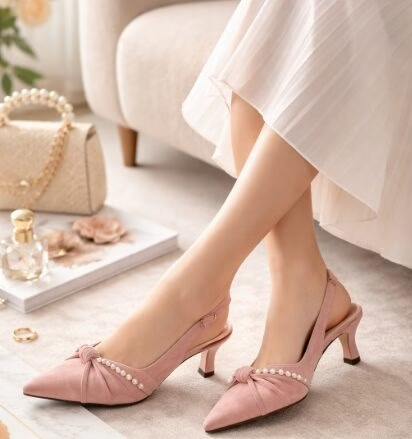
Understanding the different types of high heel shoes makes it much easier to shop with purpose. Some heels are designed for polish, some for comfort, and some for visual impact. The best choice depends on how and where you plan to wear them.
Several heel styles appear again and again because they suit different wardrobes and occasions.
| Heel Type | Key Feature | Best For |
| Pump | Closed-toe, classic silhouette | Work, formal events, general versatility |
| Slingback | Open back with rear strap | Office dressing, weddings, dinners |
| Mule | Backless shape | Easy styling, fashion-led looks |
| Sandal Heel | Strappy and open | Parties, summer events, evening wear |
| Block Heel | Wider heel base | Better stability, long wear |
| Wedge | Full-length heel support | Day events, outdoor wear |
| Platform Heel | Raised front sole | Statement looks, party styling |
| Kitten Heel | Lower narrow heel | Daily wear, polished comfort |
Each type changes how the shoe feels on the foot. A pump usually looks the most classic. A block heel offers more balance. A sandal heel feels lighter and often looks more festive.
Stiletto high heels are defined by a narrow heel and a more dramatic visual line. They are often chosen for evening dressing, sharp tailoring, sleek dresses, and special occasions that call for a more elevated look.
Stilettos work especially well when you want the shoe to look refined and striking. They elongate the leg and create a cleaner silhouette than many wider-heeled styles. At the same time, they are not always the most practical choice for long hours, uneven ground, or events with a lot of walking.
A good rule is simple: choose stilettos when appearance is the priority, and choose a thicker heel when stability matters more.
Ease depends on more than height alone. Heel shape, upper support, and sole structure also influence comfort.
Generally, these are the easiest shapes to wear:
For people building a first collection of high heels, it is often smart to begin with a mid-height pump, a block heel, and one dressier pair for events.
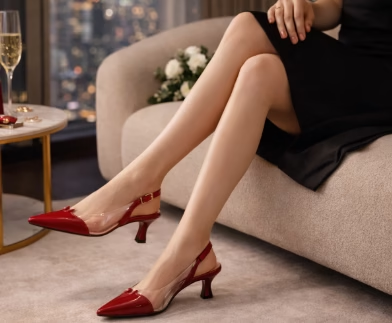
Heel height changes posture, pressure, and overall wearability. The right rise depends on your comfort level, schedule, and setting.
A practical way to think about heel height is by three broad levels:
| Heel Height | Approximate Range | Best Use |
| Low Heel | Up to 2 inches | Work, daily wear, long standing |
| Mid Heel | 2 to 3.5 inches | Office-to-evening, weddings, dinners |
| High Heel | 4 inches and above | Parties, formal looks, shorter wear |
Low heels are the easiest for long periods of standing. Mid heels often offer the best balance between elegance and comfort. Higher heels create more impact, but they usually require more experience and more support.
As heel height increases, the foot angle becomes steeper and more pressure shifts toward the front of the foot. This is why a shoe that looks elegant on display may not feel equally good after several hours.
Other details matter just as much:
When choosing high heels, it helps to think about movement. Will you be sitting, standing, walking, dancing, or crossing outdoor surfaces? The answer should influence heel height.
For work, low to mid heels are usually the most practical. For weddings, mid heels often work well because they balance formality and comfort. For parties, higher heels can make sense if the event is shorter or more fashion-focused. For everyday styling, a lower heel or stable mid heel is usually the easiest choice.
The smartest choice is the one that supports the occasion rather than fighting it.
Reddit – Tips for walking in high heels?
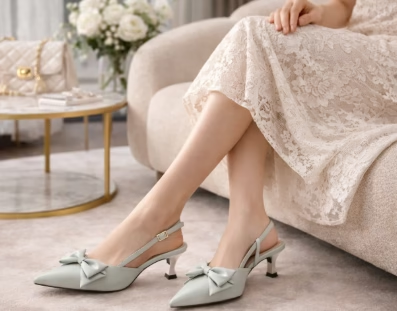
Not all heels with a polished finish are equally well made. High quality heels are defined by materials, structure, and the way the shoe supports the foot over time.
Materials shape both appearance and durability.
| Material | Look and Feel | Typical Use |
| Leather | Smooth, structured, durable | Work heels, pumps, long-term wear |
| Suede | Soft, rich texture | Transitional and dressy styles |
| Satin | Formal, refined finish | Weddings, evening wear |
| Patent | Glossy, sharp appearance | Office, occasion wear |
| Mesh / Textile | Light, decorative, modern | Fashion-led styles |
| Glitter / Metallic Finish | Reflective, statement-making | Parties, weddings, events |
Leather remains a common choice for versatility and durability. Satin and embellished materials tend to appear more often in occasion shoes. Patent finishes create a cleaner and more polished look.
A better-made heel usually shows quality in less obvious places. Look for:
These details influence how the shoe performs over repeated wear. A shoe that slips, tilts, or rubs excessively is rarely a good long-term choice, no matter how attractive it looks.
A well-made pair of high quality heels should feel stable when you walk, hold the foot securely, and show careful finishing. The shoe does not need to be heavily padded to feel premium, but it should feel intentional in shape and support.
Before buying, check:
The best heels are not simply beautiful; they are wearable.
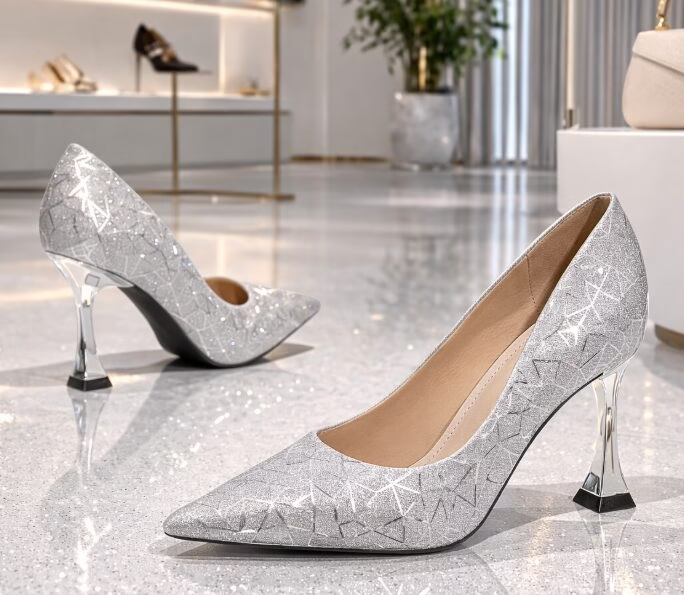
Different occasions call for different priorities. Some settings require polish and restraint. Others allow more shine, height, or detail.
For work, the most useful high heels are usually clean, moderate, and easy to style. Pumps, slingbacks, and block heels tend to work best because they pair naturally with tailoring, dresses, and smart separates.
Strong choices include:
For professional settings, subtle structure often works better than dramatic decoration.
Weddings require a balance between elegance and comfort. You may be standing for photos, walking across different surfaces, or wearing the shoes for many hours. Mid-height sandals, pumps, slingbacks, and stable heels often work well.
Best options include:
Color and finish matter here too. Metallic tones, satin surfaces, and soft embellishment feel especially appropriate for formal events.
Parties allow more personality. This is the place for metallic finishes, crystal details, sculptural heels, patent textures, and bolder silhouettes. If you want the shoe to become part of the outfit’s focal point, this is the category where a more dramatic heel makes sense.
Popular party choices include:
For parties, visual impact often matters more than all-day practicality, though comfort should never be ignored completely.
For everyday wear, a heel should work with multiple outfits and still feel manageable through repeated use. This is where lower heels, stable shapes, and simple finishes become more useful than highly embellished styles.
A versatile everyday heel often has:
If you want a small but functional heel wardrobe, three pairs can cover most needs: one classic pump, one stable block heel, and one dressier event heel.
| Need | Best Heel Type | Ideal Height | Material / Finish Suggestion |
| Work | Pump, slingback, block heel | Low to mid | Leather, patent |
| Wedding | Sandal heel, slingback, pump | Mid | Satin, metallic, soft embellishment |
| Party | Stiletto, platform, sandal heel | Mid to high | Patent, glitter, metallic |
| Everyday Wear | Block heel, kitten heel, wedge | Low to mid | Leather, suede |
| Fashion Statement | Stiletto high heels, sculptural heels | Mid to high | Metallic, mesh, embellished |
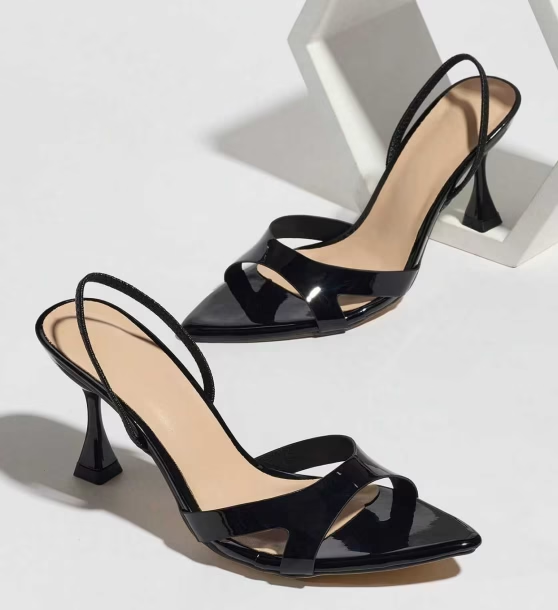
The best high heels are not chosen by trend alone. They are chosen by understanding shape, height, material, and purpose. Once you know the different types of high heel shoes, it becomes easier to match style with real-life use.
A classic pump can anchor a work wardrobe. A stable block heel can carry you through longer events. Stiletto high heels can bring polish and drama when the moment calls for it. And truly high quality heels stand out not only for how they look, but for how well they are made and how confidently they wear.
The smartest approach is not to search for one perfect heel for everything. It is to build a small selection that covers the occasions that matter most to you.