
Building a reliable heel wardrobe is less about chasing trends and more about choosing the right types of heels for real-life needs. This guide explains why heel shape affects comfort and posture, answers what are the most popular heel types, and recommends the top 5 types of heels every woman should own. You’ll also learn why black high heel pumps are the ultimate wardrobe MVP, what type of heels go with everything, and how to judge fit, materials, and quality like a pro—plus practical OEM/ODM insights for buyers who source heels at scale.
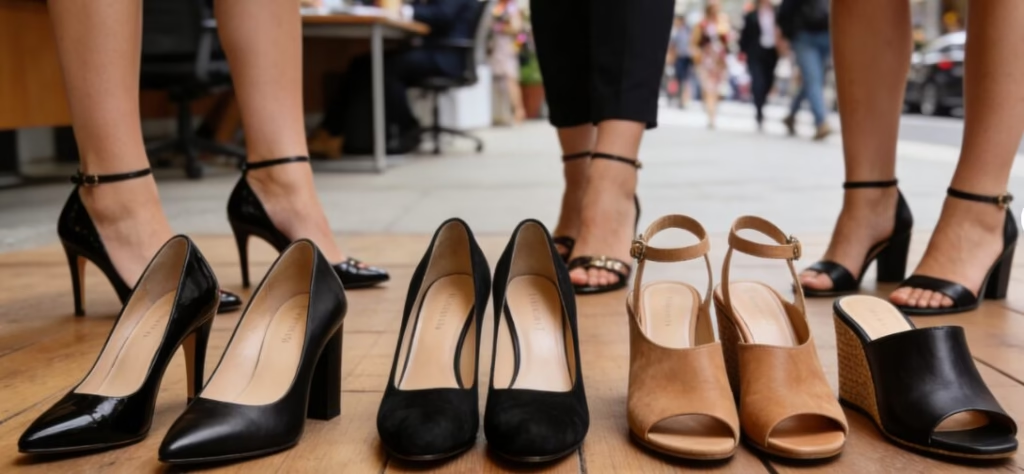
Different types of heels change how your body carries weight. A narrow heel like a stiletto concentrates pressure on the ball of the foot and demands more ankle stability. A wider heel (block or wedge) distributes weight more evenly, often feeling steadier and more comfortable for long wear. Heel height also changes posture: the higher the heel, the more your center of gravity shifts forward, which can increase forefoot pressure and fatigue.
From a styling perspective, heel shape influences outfit balance. Sleek stilettos sharpen tailored looks and formal dresses, while block heels and wedges read more grounded and practical—perfect for workwear, travel, and outdoor events. Knowing which heel type matches your day prevents “beautiful but unwearable” purchases.
A smart capsule wardrobe for heels uses five core pairs that cover nearly every scenario:
1.one formal statement heel
2.one everyday work heel
3.one low-heel polished option
4.one outdoor-safe option
5.one “extra height” event heel that still feels stable
This approach saves money, closet space, and time. Instead of owning many shoes that sit unused, your types of heels collection becomes practical and repeatable—ideal for workdays, weekends, and special occasions.
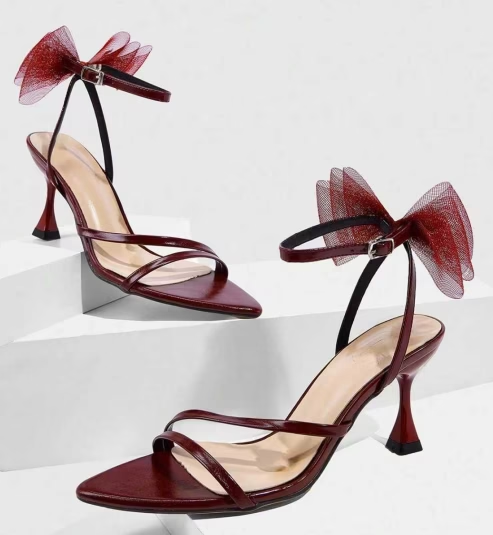
If you’re searching what are the most popular heel types, these five show up year after year in both fashion and daily wear:
2.Block heels
3.Kitten heels
4.Wedge heels
5.Platform heels
They’re popular because each one solves a different need: maximum elegance, maximum stability, beginner comfort, outdoor practicality, and extra height with reduced foot angle.
Many heels are designed at 4 inches or higher because they photograph well. But “wearability” often peaks at 2.5–3.5 inches for everyday use—high enough to lengthen the leg line while staying walkable. If you want heels you’ll truly wear (not just admire), choose a stable heel type and a height that matches your routine.
Understanding key heel parts helps you shop smarter:
1.Heel tip: the small contact point at the bottom; durable tips reduce slipping and wear
2.Arch: the curve under your foot; supportive arches reduce fatigue
3.Platform: extra thickness under the forefoot; lowers the effective angle of the heel
4.Toe box: the front space for toes; tight toe boxes cause pinching, blisters, and numbness
Table: Most Popular Heel Types at a Glance
| Heel Type | Best For | Comfort Level | Style Level | Typical Heel Height |
| Stiletto | Events, nights out | Medium–Low | Very High | 3–5 in |
| Block Heel | Work, daily wear | High | High | 2–4 in |
| Kitten Heel | Office, brunch | High | Medium–High | 1.5–2.5 in |
| Wedge Heel | Outdoor, travel | High | Medium | 2–4 in |
| Platform Heel | Parties, long events | Medium | High | 3–6 in (with platform) |
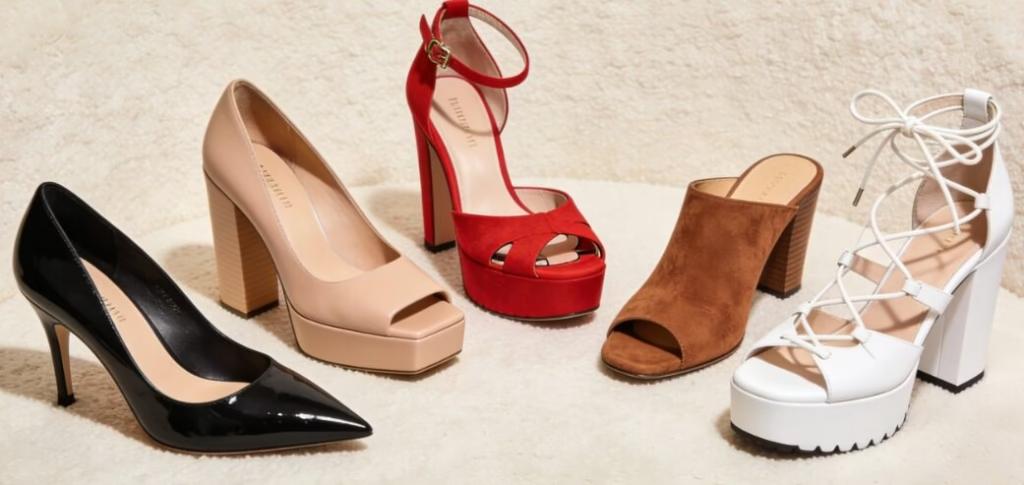
Stilettos are the most iconic of all types of heels because they create a sharp, elegant silhouette. They’re ideal for weddings, dinners, parties, and events where you want a refined look. To make stilettos more wearable, prioritize a supportive insole, stable heel placement, and a toe box that doesn’t squeeze. If you’re a beginner, start closer to 3 inches before moving higher.
Block heels are a practical essential because they offer stability without sacrificing style. They’re one of the best types of heels for commuting, office days, long meetings, and city walking. Style-wise, block heels pair easily with trousers, midi skirts, denim, and modern minimal outfits. If you want a single pair that earns frequent wear, block heels are a strong contender.
Kitten heels are a classic choice for comfort and sophistication. They’re frequently recommended in searches for types of heels for beginners because the lower height reduces pressure and improves balance. They work beautifully for interviews, office settings, daytime occasions, and “smart casual” looks. For maximum versatility, look for clean silhouettes and neutral tones.
Wedges provide stability because the sole and heel connect, distributing weight across more surface area. That makes wedges ideal for travel, outdoor gatherings, vacations, and places with uneven ground like grass or cobblestones. In a practical heel wardrobe, wedges are your “walkable height” option—especially useful in spring and summer.
Platforms are popular for events and nights out because they create dramatic height. The key advantage is that the platform raises the forefoot, reducing the effective angle compared to a standard heel of the same height. To wear platforms comfortably, choose secure uppers (straps or supportive vamp) and stable heel structures.
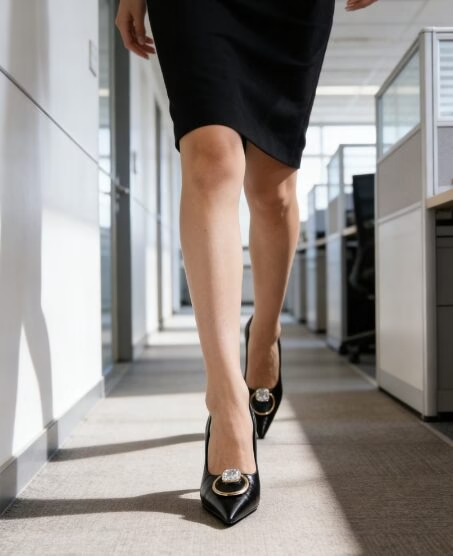
If you want the most versatile shoe in your closet, black high heel pumps are the answer. They work for office outfits, formal dresses, dinners, and even elevated casual looks. This is why many style guides treat black pumps as the “foundation piece” of a heel wardrobe: they solve outfit decisions quickly and remain timeless across trends.
1.Best toe shapes for versatility (almond vs. pointed vs. square)
Almond toe balances comfort and elegance and suits most foot shapes
Pointed toe looks the most formal and lengthens the leg line but can feel tighter
Square toe feels roomier and modern, best for trend-forward styling
If you want one pair that works broadly, almond-toe black pumps are the most universally wearable.
2.Recommended heel heights for all-day confidence (2.5–3.5 in)
For most women, 2.5–3.5 inches is the best range for a “polished but wearable” pump. It’s high enough to look professional and flattering, yet low enough to walk and stand with confidence.
Table: Black High Heel Pumps Buying Checklist
| Feature | What to Look For | Why It Matters |
| Heel Type | block / stiletto | Stability vs. dressiness |
| Toe Box | not pinching | Prevent blisters & numbness |
| Insole | cushioned + arch support | Longer wear time |
| Outsole | textured/anti-slip | Safer steps |
| Materials | soft upper + breathable lining | Comfort + durability |
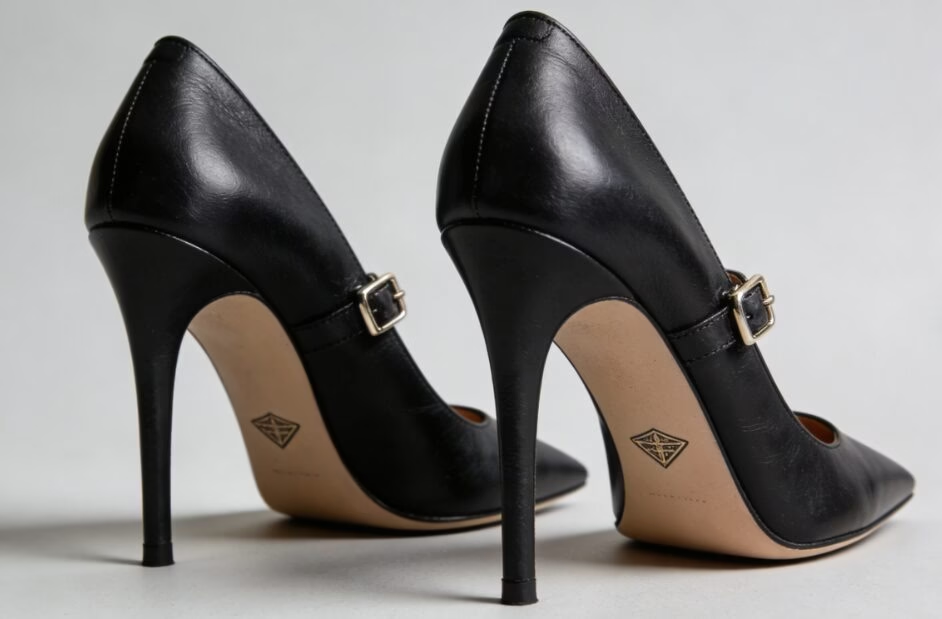
If you’re asking what type of heels go with everything, look for:
1.neutral colors (black, nude, beige, metallic)
2.clean shapes (pumps, minimal straps, simple silhouettes)
3.mid-range heights (2–3.5 inches)
These features match the widest range of outfits and occasions.
A practical capsule that covers most wardrobes:
1.black high heel pumps for formal + office
2.nude block heels for everyday and leg-lengthening effect
3.kitten heels for comfortable polish
4.a simple stiletto for evening impact
5.wedges for outdoor and travel
Black is the most reliable, but neutral tones expand outfit options:
1.nude/beige elongates the leg line and pairs with light outfits
2.metallic (champagne, gold, silver) works as a “dressy neutral” for events
3.soft taupe bridges black and nude for year-round versatility
Mini “Versatility Scorecard” Table
| Heel Option | Versatility Score (1–10) | Why |
| Black pumps | 10 | Works with office + formal |
| Nude block heels | 9 | Lengthens leg line, easy match |
| Kitten heels | 8 | Polished, low effort |
| Simple ankle-strap stilettos | 7 | Great, but less daily-friendly |
| Wedges | 7 | Seasonal + casual-leaning |
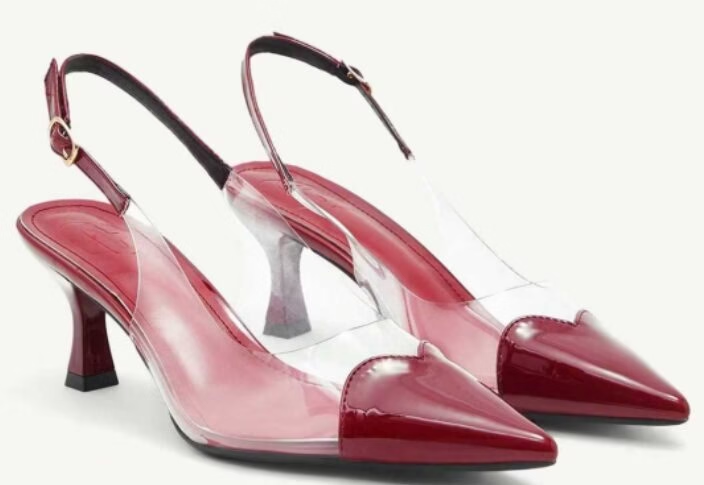
Sizing varies across heel styles. Pumps often feel tighter because they have less adjustability, while sandals can be more forgiving due to straps. When buying pumps, prioritize toe box space and heel grip (no slipping). When buying sandals, check strap placement and adjustability to prevent rubbing.
1.PU is budget-friendly and easy to clean, but breathability varies
2.Microfiber can feel softer and more breathable, often good for long wear
3.Leather molds to the foot over time and can offer excellent durability, depending on grade and construction
Your best choice depends on budget, climate, and how often you’ll wear the heels.
To judge quality quickly:
1.the heel should be firmly attached with no wobble
2.the insole should feel supportive, not flat and hard
3.lining should be smooth to reduce friction
4.outsole should have grip (especially for smooth indoor floors)
Quality factories test stability (no rocking), heel alignment, heel tip wear resistance, and size consistency. Tolerance control matters because small deviations in heel placement can affect balance and comfort. These checks help ensure the same style feels consistent across multiple production runs.

For sourcing, MOQ depends on materials, colorways, and complexity. If you’re starting small, focus on classic silhouettes (like pumps or block heels) and limit color options to reduce production complexity while building demand.
Rapid sampling timeline: tech pack → sample → revisions → production
A typical development flow:
1.tech pack (design specs, size range, materials)
2.first sample (fit and silhouette)
3.revisions (comfort adjustments, material swaps)
4.confirmation sample
5.bulk production
Clear communication and measurable requirements speed up the cycle.
Key QA checks include heel alignment, bonding strength, stitching consistency, symmetry, outsole adhesion, and overall balance. For pumps and stilettos, heel balance is especially critical because small misalignment can cause instability.
Repeatability comes from controlled material sourcing, standardized size grading, consistent molds/lasts, and documented production specs. Brands that track these variables reduce returns and improve customer satisfaction.
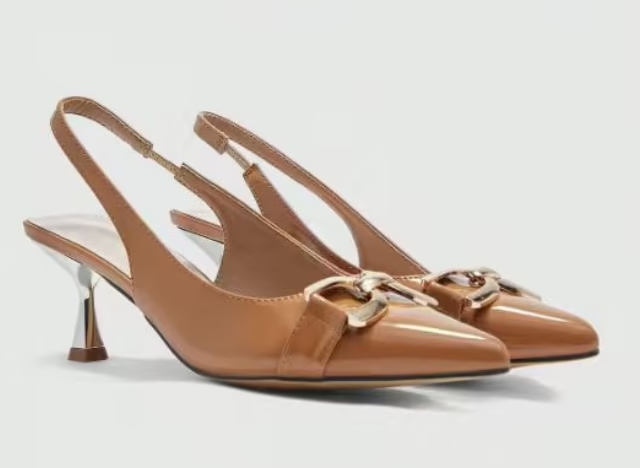
If you want a practical collection built around types of heels, start with the five essentials: stilettos, block heels, kitten heels, wedges, and platforms. Then anchor your wardrobe with black high heel pumps—the classic choice that solves most outfit decisions. With the right fit checks and quality signals, you’ll build a heel wardrobe that looks elevated, feels wearable, and works for every occasion.