High Heels Most Comfortable

High Heels Most Comfortable: Best Choices for Everyday and Professional Wear

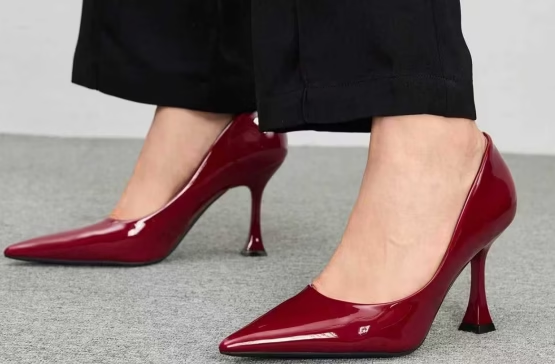
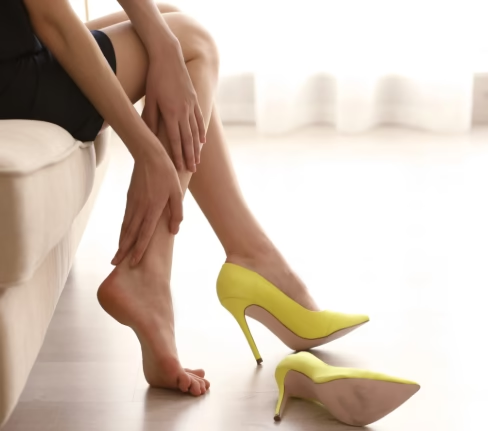
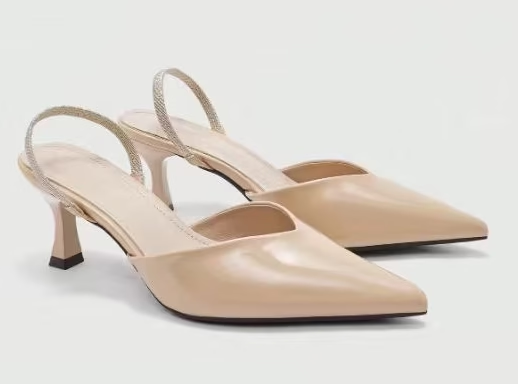
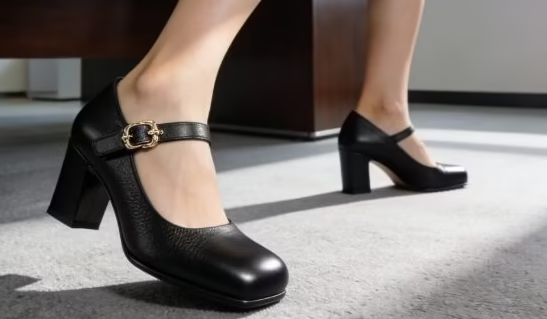
Finding the high heels most comfortable enough for daily life is not a myth—it’s mainly about choosing the right heel geometry, support, and fit. The good news: you don’t have to sacrifice a polished look to get real comfort. In this guide, you’ll learn which heel types feel best, what to buy for work and wide feet, and how to choose heels you can actually wear all day. What Are the High Heels Most Comfortable? -The comfort “sweet spot” (heel height + shape + support) -Why kitten heels are a top choice for office comfort -Block heels vs wedges: which is better for all-day wear? Best Choices for Professional Wear (Work-Appropriate + Comfortable) -What are the most comfortable heels for work? -Best comfortable work styles (Best list format) Best for Wide Feet (Fit-First Recommendations) -What are the most comfortable heels for wide feet? -Wide-foot sizing and fit rules (avoid common mistakes) -Best heel types for wide feet (Best list format) Best for Wearing All Day (Real-World Comfort) -What are the most comfortable heels to wear all day? -All-day heel height guide (simple chart) -Best all-day picks by use case (Best list format) How to Choose Comfortable Heels (Step-by-Step Buyer Guide) Step 1 — Measure and fit (length, width, arch) Step 2 — Pick the right heel geometry Step 3 — Evaluate cushioning + support Step 4 — Check outsole grip + durability Step 5 — Test-walk protocol Quality, Testing, and Consistency -Why production capability affects comfort consistency -R&D and prototyping: what matters for comfort -QC checkpoints that reduce common comfort failures What Are the High Heels Most Comfortable? “Comfortable heels” usually share three traits: stable heel shape, moderate height, and built-in support (cushioning + arch + secure fit). When any of these is missing—especially stability—foot fatigue rises fast. The comfort “sweet spot” (heel height + shape + support) For most people, the comfort sweet spot is: 1.Heel height: ~1.5–2.5 inches (4–6.5 cm) 2.Heel shape: block or wedge (more ground contact = more stability) 3.Support: cushioned insole, slight arch support, and a secure upper (straps, structured leather, or snug vamp) Below is a quick comparison of the most common heel types. Heel Type Comfort Level Best For Why It Feels Better Common Trade-offs Block Heels High Work, commuting Wide base = stability Can feel heavier Wedges High Outdoor, long standing Weight distributed evenly Less “formal” look Kitten Heels Medium–High Office, meetings Lower height, elegant Narrow base varies Platform Heels Medium Events, style Reduces foot angle Bulkier, less breathable Stilettos Low–Medium Short wear Sleek silhouette High pressure + instability Why kitten heels are a top choice for office comfort If your goal is professional heels that don’t punish your feet, kitten heels are often the best compromise. They usually sit around 1–2 inches, which reduces forefoot pressure compared to higher heels. They also look polished with trousers, dresses, and suits—so you get an office-ready silhouette without the “foot-on-fire” feeling by lunch. To maximize comfort with kitten heels, look for: 1.A slightly wider kitten heel (not needle-thin) 2.Almond or round toe (less toe compression) 3.Cushioned forefoot padding (ball-of-foot comfort is key) 4.Secure heel cup (prevents slipping and blisters) Block heels vs wedges: which is better for all-day wear? Both can be excellent, but the “best” depends on your day. 1.Choose block heels if you: Walk on mixed surfaces (sidewalks, office floors, transit) Need a formal look for meetings Prefer a “normal shoe” feel with stable footing 2.Choose wedges if you: Stand for long periods (retail, events, teaching) Walk outdoors often (grass, uneven pavement) Want pressure distributed across the foot (less concentrated load) A simple rule: block heels are usually more office-formal, while wedges are often better for prolonged standing. Best Choices for Professional Wear (Work-Appropriate + Comfortable) Work heels should be stable, quiet, supportive, and appropriate for long meetings plus commuting. When shopping, think “boardroom + sidewalk,” not “runway.” What are the most comfortable heels for work? The most comfortable heels for work are typically: 1.2-inch block heels 2.low-to-mid kitten heels 3.structured pumps with cushioning 4.closed-toe styles with secure fit moderate heel pitch (your foot shouldn’t feel “slid forward”) A comfortable work heel also needs traction. Many people focus on the insole and forget the outsole—slip risk and tension in the calves can make even cushioned shoes feel exhausting. Best comfortable work styles (Best list format) Best comfortable heel styles for professional wear: 1.2-inch block-heel pumps (almond toe) Best overall balance of polish + stability for daily office wear. 2.Kitten-heel slingbacks (wide-base kitten heel) Great for meetings and smart-casual offices; look for a secure strap. 3.Block-heel loafers or heeled oxfords Office-appropriate and supportive, especially with firmer uppers. 4.Low platform pumps (subtle platform) Helpful if you want the look of height with less steep foot angle. 5.Block-heel ankle-strap heels Straps improve security and reduce toe gripping (less fatigue). Best for Wide Feet (Fit-First Recommendations) If you have wide feet, comfort starts with fit—not heel height. Many “painful heels” are actually the wrong width or toe shape. What are the most comfortable heels for wide feet? The most comfortable heels for wide feet usually have: 1.Wide-width options (true wide, not “runs wide”) 2.Round or almond toe 3.Soft/stretch upper (or structured leather that breaks in well) 4.Lower heel height (reduces forward slide) 5.Wider heel base (less wobble = less toe gripping) Wide-foot sizing and fit rules (avoid common mistakes) Wide-feet fit rules that prevent pain fast: 1.Don’t size up for width unless the brand specifically recommends it. Sizing up often causes heel slip and blisters. 2.Prioritize wide widths (or generous toe boxes) over extra length. 3.Avoid sharp point-toe shoes for long wear—even if they look sleek. 4.Test fit in the afternoon: feet swell slightly, and you’ll get a more realistic fit. 5.If the ball-of-foot feels compressed while standing still, it will be worse after an hour. (h3)Best heel types for wide feet (Best list format) Best heel types for wide feet: 1.Block heels (2 inches) with almond/round toe 2.Wedges with roomy toe box 3.Low kitten heels with wider heel base 4.Platform block heels (moderate pitch) 5.Heeled Mary Janes (strap adds security + comfort) Wide-feet comfort table: Problem What to Choose What to Avoid Toe squeeze Round/almond toe, wide width Sharp pointed toes Forefoot pressure Cushion + lower heel Thin insoles, high stilettos Instability Block heel/wedge Narrow stilettos Best for Wearing All Day (Real-World Comfort) All-day heels aren’t just about “soft cushioning.” The real secret is reducing fatigue triggers: forward slide, unstable heel strike, lack of arch support, and poor traction. What are the most comfortable heels to wear all day? The most comfortable heels to wear all day are typically: 1.1.5–2.5 inch block heels 2.supportive wedges 3.low kitten heels with padding 4.low platform block heels (to reduce pitch) 5.heels with straps or secure uppers (less gripping = less fatigue) All-day heel height guide (simple chart) 1.Heel Height vs Wear Time (Typical Tolerance) (This varies by body mechanics and activity level, but it’s a helpful baseline.) 1.0–1.5 in (0–4 cm): 8–12 hours (high tolerance) 2.1.5–2.5 in (4–6.5 cm): 6–10 hours (best “all-day” zone) 3.2.5–3.5 in (6.5–9 cm): 3–6 hours (moderate tolerance) 4.3.5+ in (9+ cm): 1–3 hours (low tolerance for most people) Best all-day picks by use case (Best list format) All-day heels by real-life scenario: 1.Commuting + office: 2-inch block-heel pump, almond toe, grippy sole 2.Standing-heavy jobs: supportive wedge or block heel with thicker insole 3.Client meetings + walking: kitten heel slingback (wide base) or block heel Mary Jane 4.Events that still require comfort: subtle platform block heel (not ultra-high) 5.Travel days: wedge or block heel with strap + traction outsole How to Choose Comfortable Heels (Step-by-Step Buyer Guide) Buying comfortable heels is a process—if you skip one step, you often pay for it later (literally and physically). Step 1 — Measure and fit (length, width, arch) Measure both feet; fit the larger foot. Confirm toe room: toes should lie flat, not stacked or squeezed. If you have higher arches, look for arch contour or supportive insoles. Step 2 — Pick the right heel geometry For comfort, prioritize block heels, wedges, and stable kitten heels. Avoid ultra-thin heels if you walk a lot or stand frequently. Step 3 — Evaluate cushioning + support Look for forefoot padding (ball-of-foot comfort matters most). A slightly firmer midsole can be more supportive than super-soft foam. Structured uppers reduce foot sliding and toe pressure. Step 4 — Check outsole grip + durability Smooth soles can create tension (you “brace” to avoid slipping). A textured outsole improves confidence and reduces fatigue. Step 5 — Test-walk protocol Do a real test: Walk on hard floors for 3–5 minutes. Do stairs (up and down). Pay attention to sliding, toe pinch, heel slip, and wobble. If any of these show up immediately, don’t expect them to “magically disappear.” Decision Flow 1.Wide feet? → prioritize toe box + width options 2.Work wear? → choose stable heel + conservative height 3.All-day? → maximize cushioning + traction 4.Style priority? → consider platform or low kitten heel instead of stiletto Quality, Testing, and Consistency Comfort isn’t only a design issue—it’s also a manufacturing issue. Two heels can look identical but feel completely different due to materials, tolerances, and assembly consistency. Why production capability affects comfort consistency When production is inconsistent, you’ll see: 1.uneven heel placement (instability) […]
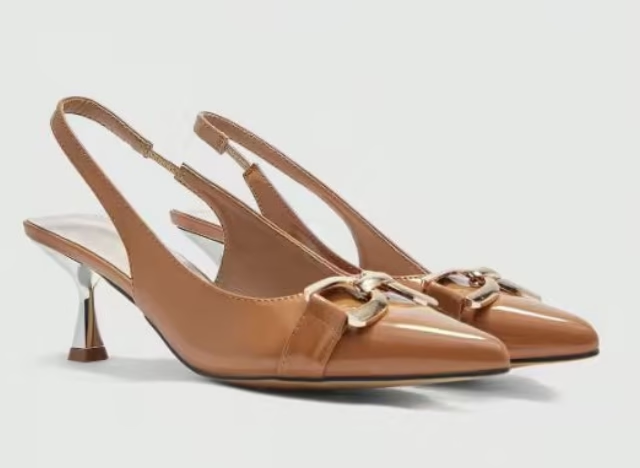
Brown kitten heels

Top 5 Types of Heels Every Woman Should Own for Every Occasion

Why Knowing the Right Types of Heels Matters -How heel shape changes comfort, posture, and outfit balance -How to build a “5-pair heel wardrobe” that covers every occasion What Are the Most Popular Heel Types? -The 5 heel types that dominate wardrobes and runways -Popular heel heights vs. real-life wearability -Quick glossary of heel parts (heel tip, arch, platform, toe box) The Top 5 Types of Heels You Should Own -Stiletto Heels — the statement-maker for formal moments -Block Heels — the everyday power heel -Kitten Heels — polished, beginner-friendly elegance -Wedge Heels — the outdoor-safe classic -Platform Heels — height with less strain (when chosen right) The One Pair That Saves Every Outfit — Black High Heel Pumps -Why black high heel pumps are the wardrobe MVP -Best toe shapes for versatility (almond vs. pointed vs. square) -Recommended heel heights for all-day confidence (2.5–3.5 in) What Type of Heels Go With Everything? -The most versatile heel formulas (color + shape + height) -The “capsule heel set” that matches 80% of outfits -Neutral color strategy beyond black (nude, beige, metallic) Fit, Materials, and Quality Signals -How to choose the right size across styles (pumps vs. sandals) -Material guide: PU vs. microfiber vs. leather (comfort & durability) -Construction checks: heel attachment, insole, lining, outsole grip -How factories test consistency (stability, heel tip wear, tolerance control) OEM/ODM Insight (From Sampling to Bulk—What Buyers Should Know) -Minimum order realities and how to start with a small MOQ -Rapid sampling timeline: tech pack → sample → revisions → production -Quality assurance checkpoints for high heels (alignment, glue, stitching, heel balance) -How brands ensure repeatability across runs (color, materials, sizing) Building a reliable heel wardrobe is less about chasing trends and more about choosing the right types of heels for real-life needs. This guide explains why heel shape affects comfort and posture, answers what are the most popular heel types, and recommends the top 5 types of heels every woman should own. You’ll also learn why black high heel pumps are the ultimate wardrobe MVP, what type of heels go with everything, and how to judge fit, materials, and quality like a pro—plus practical OEM/ODM insights for buyers who source heels at scale. Why Knowing the Right Types of Heels Matters How heel shape changes comfort, posture, and outfit balance Different types of heels change how your body carries weight. A narrow heel like a stiletto concentrates pressure on the ball of the foot and demands more ankle stability. A wider heel (block or wedge) distributes weight more evenly, often feeling steadier and more comfortable for long wear. Heel height also changes posture: the higher the heel, the more your center of gravity shifts forward, which can increase forefoot pressure and fatigue. From a styling perspective, heel shape influences outfit balance. Sleek stilettos sharpen tailored looks and formal dresses, while block heels and wedges read more grounded and practical—perfect for workwear, travel, and outdoor events. Knowing which heel type matches your day prevents “beautiful but unwearable” purchases. How to build a “5-pair heel wardrobe” that covers every occasion A smart capsule wardrobe for heels uses five core pairs that cover nearly every scenario: 1.one formal statement heel 2.one everyday work heel 3.one low-heel polished option 4.one outdoor-safe option 5.one “extra height” event heel that still feels stable This approach saves money, closet space, and time. Instead of owning many shoes that sit unused, your types of heels collection becomes practical and repeatable—ideal for workdays, weekends, and special occasions. What Are the Most Popular Heel Types? The 5 heel types that dominate wardrobes and runways If you’re searching what are the most popular heel types, these five show up year after year in both fashion and daily wear: 1.Stiletto heels 2.Block heels 3.Kitten heels 4.Wedge heels 5.Platform heels They’re popular because each one solves a different need: maximum elegance, maximum stability, beginner comfort, outdoor practicality, and extra height with reduced foot angle. Popular heel heights vs. real-life wearability Many heels are designed at 4 inches or higher because they photograph well. But “wearability” often peaks at 2.5–3.5 inches for everyday use—high enough to lengthen the leg line while staying walkable. If you want heels you’ll truly wear (not just admire), choose a stable heel type and a height that matches your routine. Quick glossary of heel parts (heel tip, arch, platform, toe box) Understanding key heel parts helps you shop smarter: 1.Heel tip: the small contact point at the bottom; durable tips reduce slipping and wear 2.Arch: the curve under your foot; supportive arches reduce fatigue 3.Platform: extra thickness under the forefoot; lowers the effective angle of the heel 4.Toe box: the front space for toes; tight toe boxes cause pinching, blisters, and numbness Table: Most Popular Heel Types at a Glance Heel Type Best For Comfort Level Style Level Typical Heel Height Stiletto Events, nights out Medium–Low Very High 3–5 in Block Heel Work, daily wear High High 2–4 in Kitten Heel Office, brunch High Medium–High 1.5–2.5 in Wedge Heel Outdoor, travel High Medium 2–4 in Platform Heel Parties, long events Medium High 3–6 in (with platform) The Top 5 Types of Heels You Should Own Stiletto Heels — the statement-maker for formal moments Stilettos are the most iconic of all types of heels because they create a sharp, elegant silhouette. They’re ideal for weddings, dinners, parties, and events where you want a refined look. To make stilettos more wearable, prioritize a supportive insole, stable heel placement, and a toe box that doesn’t squeeze. If you’re a beginner, start closer to 3 inches before moving higher. Block Heels — the everyday power heel Block heels are a practical essential because they offer stability without sacrificing style. They’re one of the best types of heels for commuting, office days, long meetings, and city walking. Style-wise, block heels pair easily with trousers, midi skirts, denim, and modern minimal outfits. If you want a single pair that earns frequent wear, block heels are a strong contender. Kitten Heels — polished, beginner-friendly elegance Kitten heels are a classic choice for comfort and sophistication. They’re frequently recommended in searches for types of heels for beginners because the lower height reduces pressure and improves balance. They work beautifully for interviews, office settings, daytime occasions, and “smart casual” looks. For maximum versatility, look for clean silhouettes and neutral tones. Wedge Heels — the outdoor-safe classic Wedges provide stability because the sole and heel connect, distributing weight across more surface area. That makes wedges ideal for travel, outdoor gatherings, vacations, and places with uneven ground like grass or cobblestones. In a practical heel wardrobe, wedges are your “walkable height” option—especially useful in spring and summer. Platform Heels — height with less strain (when chosen right) Platforms are popular for events and nights out because they create dramatic height. The key advantage is that the platform raises the forefoot, reducing the effective angle compared to a standard heel of the same height. To wear platforms comfortably, choose secure uppers (straps or supportive vamp) and stable heel structures. The One Pair That Saves Every Outfit — Black High Heel Pumps Why black high heel pumps are the wardrobe MVP If you want the most versatile shoe in your closet, black high heel pumps are the answer. They work for office outfits, formal dresses, dinners, and even elevated casual looks. This is why many style guides treat black pumps as the “foundation piece” of a heel wardrobe: they solve outfit decisions quickly and remain timeless across trends. 1.Best toe shapes for versatility (almond vs. pointed vs. square) Almond toe balances comfort and elegance and suits most foot shapes Pointed toe looks the most formal and lengthens the leg line but can feel tighter Square toe feels roomier and modern, best for trend-forward styling If you want one pair that works broadly, almond-toe black pumps are the most universally wearable. 2.Recommended heel heights for all-day confidence (2.5–3.5 in) For most women, 2.5–3.5 inches is the best range for a “polished but wearable” pump. It’s high enough to look professional and flattering, yet low enough to walk and stand with confidence. Table: Black High Heel Pumps Buying Checklist Feature What to Look For Why It Matters Heel Type block / stiletto Stability vs. dressiness Toe Box not pinching Prevent blisters & numbness Insole cushioned + arch support Longer wear time Outsole textured/anti-slip Safer steps Materials soft upper + breathable lining Comfort + durability What Type of Heels Go With Everything? The most versatile heel formulas (color + shape + height) If you’re asking what type of heels go with everything, look for: 1.neutral colors (black, nude, beige, metallic) 2.clean shapes (pumps, minimal straps, simple silhouettes) 3.mid-range heights (2–3.5 inches) These features match the widest range of outfits and occasions. The “capsule heel set” that matches 80% of outfits A practical capsule that covers most wardrobes: 1.black high heel pumps for formal + office 2.nude block heels for everyday and leg-lengthening effect 3.kitten heels for comfortable polish 4.a simple stiletto for evening impact 5.wedges for outdoor and travel Neutral color strategy beyond black (nude, beige, metallic) Black is the most reliable, but neutral tones expand outfit options: 1.nude/beige elongates the leg line and pairs with light outfits 2.metallic (champagne, gold, silver) works as a “dressy neutral” for events 3.soft taupe bridges black and nude for year-round versatility Mini “Versatility Scorecard” Table Heel […]

Stiletto High Heels vs Kitten Heels: Which Is More Comfortable and Stylish?

Stiletto high heels and kitten heels are two classic yet very different shoe styles in women’s fashion. While both are categorized as high heels, they serve distinct purposes in terms of comfort, stability, heel height, and styling versatility. This article offers a detailed comparison to help you understand their differences and choose the right option based on comfort needs, daily wear, and personal style. What Are Stiletto High Heels? -What Is a Stiletto Heel and Why Is It Called “Stiletto”? -Key Design Features of Stiletto High Heel Shoes How High Are Stiletto High Heels? -Typical Heel Height Range of High Heel Stilettos -Extra-High Stiletto High Heels vs Moderate Stiletto Heels -How Heel Height Affects Comfort and Balance in Stiletto High Heels? Stiletto High Heels vs Kitten Heels: Key Differences -What Is the Difference Between High Heels and Stilettos? -Stiletto High Heels vs Kitten Heels in Heel Height and Shape -Style, Stability, and Daily Wear Comparison Are Stiletto High Heels Comfortable to Wear? -Comfort Factors That Matter in Stiletto High Heels -How Foot Shape and Weight Distribution Affect Stiletto High Heels? -How to Walk in High Heels Stilettos? Styling Stiletto High Heels for Different Occasions -When Stiletto High Heels Look More Stylish Than Kitten Heels -Outfit Pairing Tips for Women’s Stiletto High Heels -Situations Where Kitten Heels Are the Better Choice Choosing Between Stiletto High Heels and Kitten Heels -Who Should Choose Stiletto High Heels? -Who Should Choose Kitten Heels Instead of Stiletto High Heels? -How to Decide Based on Comfort, Style, and Lifestyle Final Verdict on Stiletto High Heels vs Kitten Heels What Are Stiletto High Heels? What Is a Stiletto Heel and Why Is It Called “Stiletto”? A stiletto heel refers to a heel that is long, thin, and sharply tapered, resembling the shape of a stiletto dagger. The name originates from the Italian word stiletto, emphasizing the heel’s narrow, pointed design. Stiletto high heels are widely associated with elegance, femininity, and formal fashion, often worn for events where visual impact matters more than prolonged comfort. Key Design Features of Stiletto High Heel Shoes Stiletto high heel shoes are defined by several distinctive characteristics: 1.Slim heel with minimal ground contact 2.Concentrated pressure on the forefoot 3.Visually elongating effect on the legs 4.Designed primarily for aesthetics rather than stability These features make stilettos iconic—but also more demanding to wear compared to other heel types. How High Are Stiletto High Heels? Typical Heel Height Range of High Heel Stilettos Stiletto high heels usually fall into the following height categories: Heel Type Approximate Height Low Stiletto 2.5–3 inches (6–7.5 cm) Standard Stiletto 3.5–4 inches (9–10 cm) Extra-High Stiletto 4.5 inches and above (11 cm+) Extra-High Stiletto High Heels vs Moderate Stiletto Heels 1.Moderate stilettos offer a balance between style and wearability 2.Extra-high stilettos create a dramatic silhouette but demand more foot strength and balance For most wearers, moderate stiletto high heels are better suited for social events, while extra-high versions are typically reserved for short-term wear. How Heel Height Affects Comfort and Balance in Stiletto High Heels Heel height directly impacts comfort: 1.Higher heels increase pressure on the ball of the foot 2.Narrow heel bases reduce stability 3.Ankles and calves work harder to maintain balance This explains why even small differences in stiletto heel height can significantly affect walking comfort. Stiletto High Heels vs Kitten Heels: Key Differences What Is the Difference Between High Heels and Stilettos? High heels include many styles—block heels, wedges, kitten heels, and stilettos. Stilettos are a specific type of high heel, defined by their thin heel structure and typically higher elevation. Stiletto High Heels vs Kitten Heels in Heel Height and Shape Kitten heels usually feature: 1.Heel height of 1.5–2 inches (3–5 cm) 2.Slightly flared or tapered heel 3.Broader base compared to stilettos Feature Stiletto High Heels Kitten Heels Heel Height 3–5 inches 1.5–2 inches Heel Shape Very thin Slightly thicker Stability Low High Style, Stability, and Daily Wear Comparison 1.Stilettos: visually striking, less stable, best for special occasions 2.Kitten heels: understated elegance, easy to walk in, ideal for daily wear TikTok:Stiletto High Heels vs Kitten Heels Are Stiletto High Heels Comfortable to Wear? Comfort Factors That Matter in Stiletto High Heels Comfort depends on several factors: 1.Heel height 2.Toe box width 3.Arch support 4.Sole cushioning Well-designed stiletto high heels can feel manageable for short periods, but prolonged wear often leads to foot fatigue. How Foot Shape and Weight Distribution Affect Stiletto High Heels Foot shape plays a crucial role: 1.Narrow feet often adapt better to stilettos 2.Wider feet may experience pressure points 3.Body weight distribution affects balance and strain Proper fit is essential to reduce discomfort. How to Walk in High Heels Stilettos? Walking in stiletto high heels requires technique: 1.Take shorter steps 2.Land heel first, then toe 3.Engage core muscles for balance 4.Avoid uneven surfaces Practice significantly improves confidence and stability. Styling Stiletto High Heels for Different Occasions When Stiletto High Heels Look More Stylish Than Kitten Heels Stiletto high heels excel in: 1.Evening events 2.Formal parties 3.Fashion-forward outfits They enhance posture and elevate the overall look. Outfit Pairing Tips for Women’s Stiletto High Heels Popular combinations include: 1.Stilettos with cocktail dresses 2.Pointed-toe stilettos with tailored suits 3.Neutral stilettos for minimalist styling Situations Where Kitten Heels Are the Better Choice Kitten heels are ideal for: 1.Office environments 2.Long working hours 3.Travel or commuting 4.Events requiring extended standing They provide elegance without sacrificing comfort. Choosing Between Stiletto High Heels and Kitten Heels Who Should Choose Stiletto High Heels? Stiletto high heels are best for: 1.Style-focused wearers 2.Short-duration events 3.Occasions emphasizing visual impact Who Should Choose Kitten Heels Instead of Stiletto High Heels? Kitten heels suit those who: 1.Prioritize comfort 2.Walk frequently 3.Need versatile daily footwear How to Decide Based on Comfort, Style, and Lifestyle Ask yourself: 1.How long will I wear them? 2.Will I walk or stand for extended periods? 3.Is comfort or style the priority? Your answers will guide the right choice. Final Verdict on Stiletto High Heels vs Kitten Heels Both styles serve distinct purposes: 1.Stiletto high heels deliver unmatched elegance and statement style 2.Kitten heels offer everyday comfort with subtle sophistication Ultimately, the better option depends on your lifestyle, fashion goals, and comfort needs. A balanced wardrobe often includes both.

What Are Kitten Heels and Why They’re a Timeless Fashion Staple?

What is considered a kitten heel? -How high is a kitten heel? -What is the point of a kitten heel? -What is another name for kitten heels? What is the history of kitten heels? -Where did the kitten heel come from? -When were kitten heels popular? -Who made kitten heels popular? Are kitten heels still in style? Kitten heels vs Stiletto high heels How to style kitten heels? -Who should wear kitten heels? -When to wear a kitten heel? -What do you wear kitten heels with? How to Choose the Right Pair of Kitten Heels FAQ Kitten heels are one of the most understated yet enduring footwear styles in women’s fashion. Defined by their low, slender heel and elegant silhouette, they strike a rare balance between comfort and sophistication. From their historical roots to their modern revival, kitten heels continue to appeal to women who value practicality without sacrificing style. This article explores what qualifies as a kitten heel, their origins, how they compare to stilettos, styling tips, and how to choose the right pair—whether for everyday wear, professional settings, or custom production needs. What Is Considered a Kitten Heel? A kitten heel is a type of women’s shoe characterized by a low, slim heel, typically paired with a refined and feminine design. Unlike towering high heels, kitten heels are subtle, functional, and versatile, making them suitable for both casual and formal occasions. How High Is a Kitten Heel? A true kitten heel usually measures 1 to 2 inches (approximately 3–5 cm) in height. This modest elevation offers a gentle lift without placing excessive pressure on the foot, making it ideal for prolonged wear. From an industry perspective, this heel height is often chosen to: 1.Reduce foot fatigue 2.Improve walking stability 3.Appeal to customers who avoid high heels for comfort or health reasons What Is the Point of a Kitten Heel? The primary purpose of a kitten heel is comfort-driven elegance. Key benefits include: 1.A more natural foot angle compared to high heels 2.Reduced strain on the arch and forefoot 3.A polished appearance suitable for professional or formal environments Kitten heels are especially popular among women who want the visual refinement of heels without the discomfort typically associated with stilettos. What Is Another Name for Kitten Heels? Kitten heels are sometimes referred to as: 1.Low heels 2.Micro heels 3.Low stiletto heels (in some fashion contexts) However, it’s important to note that not all low heels qualify as kitten heels. The defining features are both height and heel shape, which is usually slim rather than blocky. What Is the History of Kitten Heels? Understanding the background of kitten heels helps explain why they remain relevant across generations. Where Did the Kitten Heel Come From? Kitten heels first appeared in the mid-20th century, originally designed as training heels for young women who were transitioning from flat shoes to higher heels. The idea was to offer a gentle introduction to elevated footwear while maintaining elegance. When Were Kitten Heels Popular? Kitten heels gained mainstream popularity during the 1950s and 1960s, a period when femininity, grace, and practicality coexisted in fashion. They experienced multiple revivals: 1.Late 1980s: Professional women embraced them for office wear 2.Early 2000s: Minimalist fashion trends brought them back 3.Recent years: Comfort-focused fashion and retro influences renewed interest Who Made Kitten Heels Popular? While designers and fashion houses helped promote the style, kitten heels became widely accepted due to cultural icons and changing lifestyle needs. Their popularity grew organically as women sought footwear that matched evolving roles—working, commuting, and socializing—without compromising on style. Are Kitten Heels Still in Style? Yes—kitten heels are very much still in style. Modern fashion trends emphasize: 1.Wearability 2.Versatility 3.Timeless silhouettes Kitten heels align perfectly with these priorities. Today’s designs incorporate updated materials, sharper toe shapes, and contemporary color palettes, making them relevant for modern wardrobes while retaining their classic charm. From runways to everyday street style, kitten heels are no longer seen as outdated but rather as a smart, elegant alternative to extreme high heels. Kitten Heels vs Stiletto High Heels Although they may look similar at first glance, kitten heels and stiletto heels serve very different purposes. Feature Kitten Heels Stiletto High Heels Heel height 1–2 inches 3 inches and above Comfort High Low to moderate Stability Better balance Requires experience Use cases Daily wear, work, formal Events, fashion statements Foot strain Minimal High From a functional and commercial standpoint, kitten heels cater to a broader audience, especially women prioritizing comfort, while stilettos are more niche and occasion-specific. How to Style Kitten Heels? One of the reasons kitten heels are considered a timeless fashion staple is their styling flexibility. Who Should Wear Kitten Heels? Kitten heels are suitable for: 1.Women who walk or stand for long hours 2.Professionals seeking office-appropriate footwear 3.Beginners who are not comfortable with high heels 4.Mature customers who prefer elegance with support They are also popular among buyers looking for wide market appeal in retail or wholesale collections. When to Wear a Kitten Heel? Kitten heels work well for: 1.Office and business meetings 2.Formal events that require prolonged standing 3.Daily commuting 4.Social gatherings where comfort matters Their understated profile makes them appropriate across seasons and settings. What Do You Wear Kitten Heels With? Kitten heels pair effortlessly with: 1.Tailored trousers and suits 2.Midi skirts and dresses 3.Jeans for smart-casual looks 4.Workwear and minimalist outfits Pointed-toe kitten heels, in particular, create a polished silhouette that complements both classic and modern styles. How to Choose the Right Pair of Kitten Heels Selecting the right kitten heels involves more than heel height alone. Quality, construction, and fit play a crucial role—especially for brands, retailers, and private-label buyers. Key Factors to Consider 1.Heel shape: Slim but stable 2.Toe design: Pointed for elegance, rounded for comfort 3.Materials: Genuine leather or high-quality alternatives 4.Insole support: Cushioned footbeds improve long-term wearability 5.Craftsmanship: Precision affects durability and comfort Manufacturing & Customization Perspective For buyers seeking reliable production, Sanshengshoes brings years of industry experience in high-heel manufacturing. As a top-tier supplier to SHEIN, Sanshengshoes specializes in custom high-heel solutions, including kitten heels tailored to brand-specific requirements. Their strengths include: 1.Custom heel height and shape development 2.Comfort-focused structural design 3.Consistent quality control 4.Scalable production for wholesale and private label clients This ensures that both comfort and durability are maintained without compromising aesthetics—an essential factor for modern consumers. FAQ 1.What Are Black Kitten Heels? Black kitten heels are classic, versatile shoes featuring a low heel and black upper. They are widely regarded as a wardrobe essential due to their ability to match formal, professional, and casual outfits with ease. 2.Is a Kitten Heel a Stiletto? Not exactly. While both may have slim heels, a kitten heel is significantly lower in height. All kitten heels are slim-heeled, but not all slim heels are stilettos. 3.What Kind of Shoes Are Kitten Heels? Kitten heels are low-heeled women’s shoes designed to offer elegance, stability, and comfort. They are commonly used for daily wear, work environments, and occasions that require extended periods of standing or walking. Conclusion Kitten heels have earned their place as a timeless fashion staple by offering what many women truly need: balance. They combine the elegance of traditional heels with the practicality required for modern lifestyles. From their historical origins to their continued relevance today, kitten heels remain a smart, stylish choice for both consumers and brands alike. Whether worn for work, social occasions, or developed as part of a custom footwear collection, kitten heels prove that fashion doesn’t need to be extreme to be enduring.