Author: Zoey

  • How Can I Walk in High Heels Without Pain or Strain

    How Can I Walk in High Heels Without Pain or Strain

    High heels are a symbol of elegance, confidence, and style, but for many women, they also come with pain, fatigue, and long-term foot strain. From sore forefeet to aching calves and lower back discomfort, wearing high heels can feel like a trade-off between beauty and comfort.

    This article explores why high heels are painful, how to choose more comfortable heels, how to walk properly in heels, and how beginners can build confidence safely. We also introduce custom women’s shoes as a long-term solution for women who want both style and comfort—without compromise.


    Why are high heels painful?

    -What is high heel syndrome?

    -Why do high heels exert more pressure?

    -What happens if you wear high heels every day?

    How to choose comfortable high heels?

    -Choosing the right heel height and heel shape for stability and comfort

    -Toe box design and shoe width: why fit matters more than style

    -Materials, cushioning, and arch support that reduce foot stress

    How to Walk Easily in High Heels?

    -Is there a trick to walking in heels?

    -What is the toe trick for heels?

    -How do I train my feet to walk in heels?

    How to Walk in High Heels for Beginners?

    -Starting with beginner-friendly heel styles and heights

    -Simple practice exercises to improve balance and confidence

    -Common beginner mistakes and how to avoid foot pain early

    Foot Care Tips to Prevent Pain and Strain

    -Stretching and strengthening exercises for feet and calves

    -Using insoles, pads, or anti-slip solutions for added comfort

    -Knowing when to rest, switch shoes, or stop wearing heels

    Custom Women’s Shoes: A Smarter Long-Term Solution

    -Why choose Sansheng shoes?

    -Customization options: heel height, toe shape, arch support, and materials

    -Why custom high heels offer better comfort for frequent or long-term wear

    Why Are High Heels Painful?
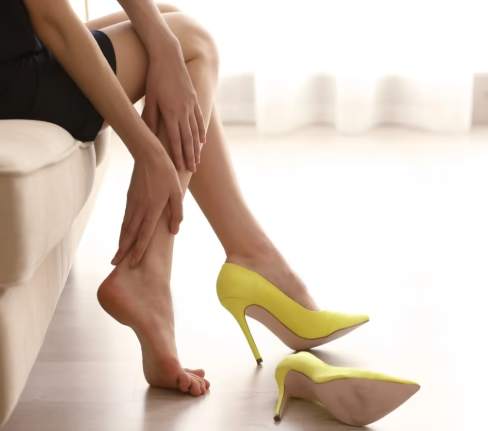
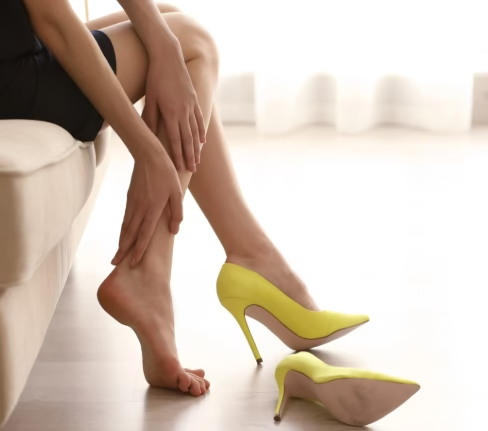
    What Is High Heel Syndrome?

    High heel syndrome refers to a group of foot and body issues caused by prolonged or frequent wearing of high heels. These may include forefoot pain, shortened calf muscles, ankle instability, knee stress, and even lower back pain. When heels elevate the foot, they force the body into an unnatural alignment, placing excessive strain on muscles and joints that are not designed for it.

    Why Do High Heels Exert More Pressure?

    When wearing flat shoes, body weight is distributed more evenly across the heel and forefoot. High heels shift the center of gravity forward, causing up to 70–80% of body weight to concentrate on the ball of the foot.

    This increased pressure can lead to pain, numbness, calluses, and inflammation, especially when shoes are narrow or lack cushioning and arch support.

    What Happens If You Wear High Heels Every Day?

    Daily high heel use can gradually change foot structure and muscle function. Over time, calves may tighten, Achilles tendons shorten, and balance can worsen. Chronic wear may also increase the risk of bunions, plantar fasciitis, and joint problems. While occasional heel wear is usually manageable, improper shoes worn too often can create long-term discomfort.

    How to Choose Comfortable High Heels?
    custom women's shoes

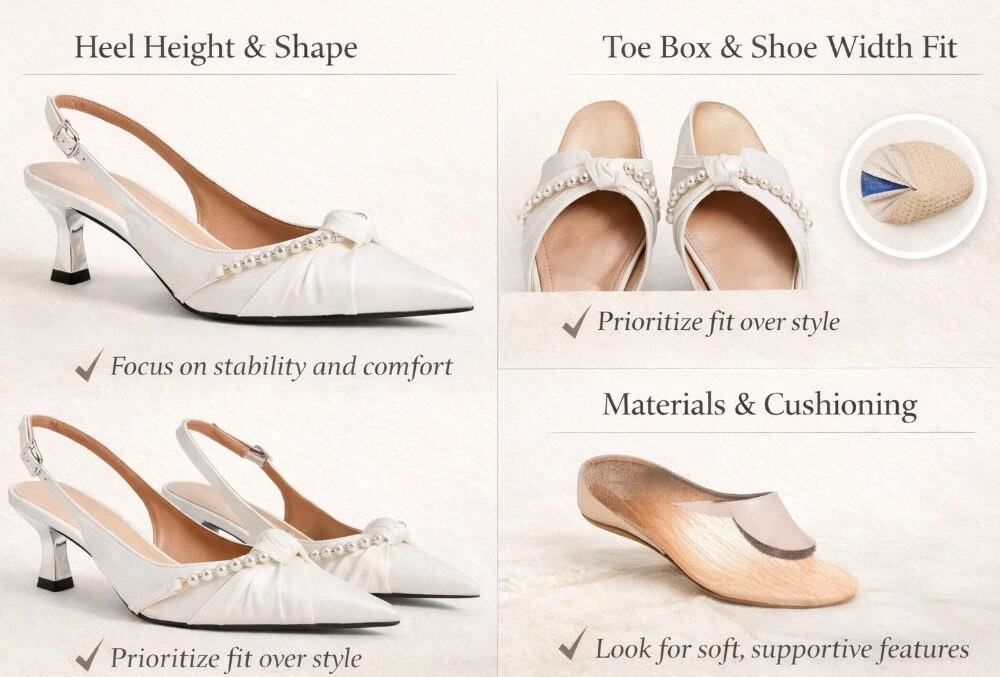
    Choosing the Right Heel Height and Heel Shape for Stability and Comfort

    Heel height plays a crucial role in comfort. For daily wear, a heel height between 3–6 cm (1–2.5 inches) is generally easier on the feet.

    Heel shape matters just as much. Block heels and wedges distribute weight more evenly and provide better balance than thin stilettos, making them a smarter option for longer wear.

    Toe Box Design and Shoe Width: Why Fit Matters More Than Style

    A narrow toe box squeezes toes together, increasing pressure and friction. This is a major cause of pain, blisters, and bunions. Shoes with a slightly wider or rounded toe box allow toes to sit naturally, improving comfort and stability without sacrificing elegance.

    Materials, Cushioning, and Arch Support That Reduce Foot Stress

    Soft, flexible uppers such as genuine leather or high-quality microfiber adapt better to foot shape. Adequate cushioning in the insole absorbs shock, while proper arch support helps distribute weight more evenly across the foot. These details significantly reduce fatigue and strain during extended wear.

    How to Walk Easily in High Heels?
    custom made high heels

    Is There a Trick to Walking in Heels?

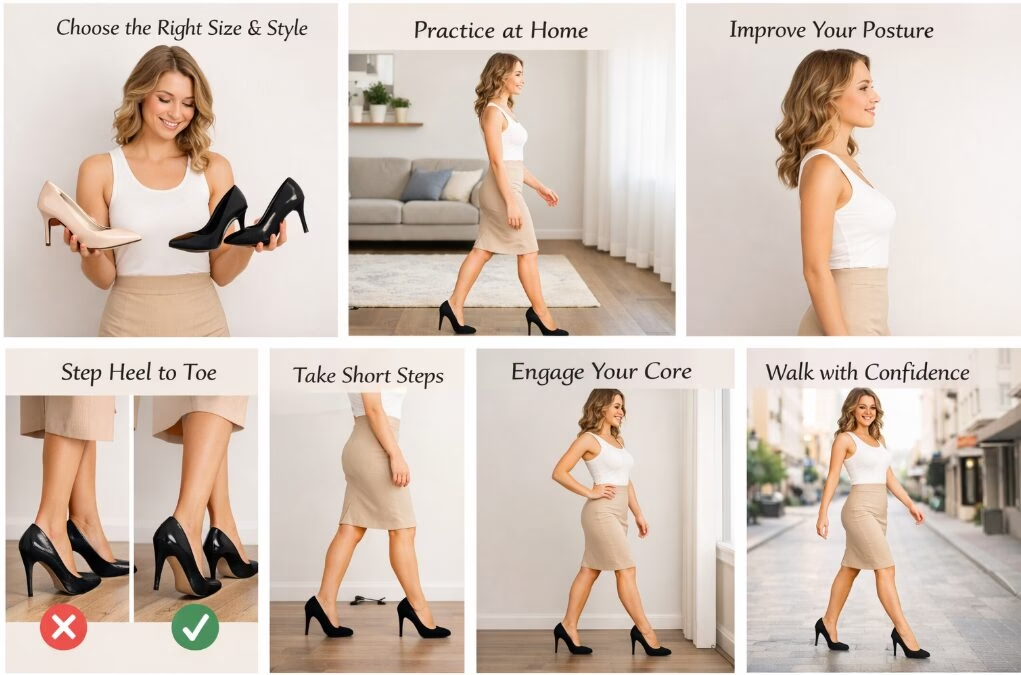
    Yes—technique matters. The key is shorter steps and controlled movement. Instead of rushing or stomping, place the heel down gently first, then roll forward onto the ball of the foot. This smooth motion reduces impact and improves balance.

    What Is the Toe Trick for Heels?

    The “toe trick” involves consciously relaxing your toes instead of gripping the shoe. Many women tense their toes for balance, which increases fatigue and pain. Keeping toes relaxed and evenly spread improves stability and reduces pressure on the forefoot.

    How Do I Train My Feet to Walk in Heels?

    Like any physical skill, walking in heels improves with gradual training. Start by wearing heels for short periods indoors, then slowly increase duration. Strengthening exercises for ankles, calves, and arches also improve balance and endurance, making heel walking feel more natural over time.

    How to Walk in High Heels for Beginners?
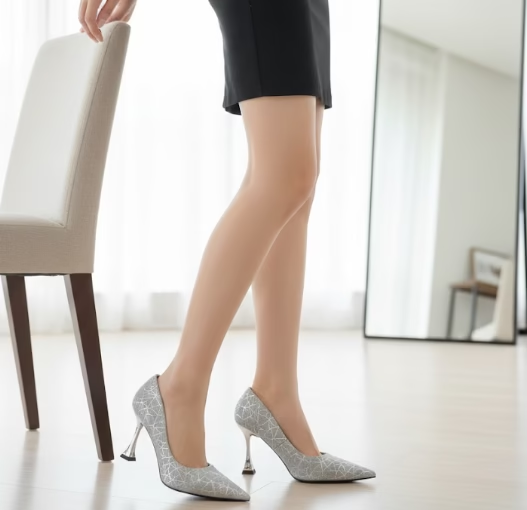
    Custom heels for women

    Starting with Beginner-Friendly Heel Styles and Heights

    If you’re new to heels, avoid high stilettos. Begin with low block heels, kitten heels, or wedges. These styles offer better stability and allow your feet to adapt gradually without excessive strain.

    Simple Practice Exercises to Improve Balance and Confidence

    Practice walking in a straight line, standing on one foot, or rising slowly onto your toes while barefoot. These exercises strengthen stabilizing muscles and improve coordination, which directly translates into more confident heel walking.

    Common Beginner Mistakes and How to Avoid Foot Pain Early

    Common mistakes include taking overly large steps, locking the knees, and wearing heels that don’t fit properly. Choosing the wrong size or heel type early on can quickly lead to pain and discouragement. Comfort should always come before height.

    Foot Care Tips to Prevent Pain and Strain
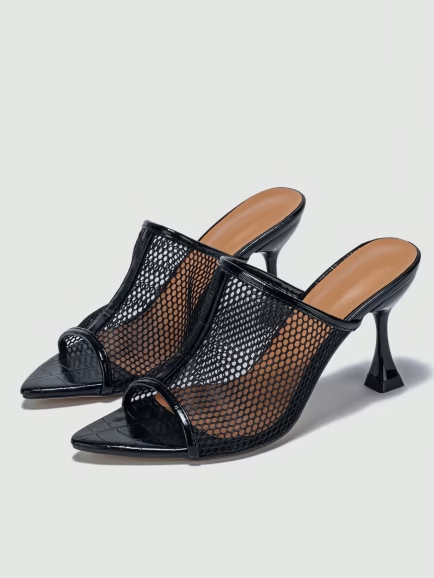
    Custom Sandals

    Stretching and Strengthening Exercises for Feet and Calves

    Stretching calves and arches after wearing heels helps prevent muscle tightness. Simple stretches, foot rolling with a massage ball, and toe flexibility exercises can significantly reduce soreness and long-term strain.

    Using Insoles, Pads, or Anti-Slip Solutions for Added Comfort

    Gel pads, cushioned insoles, and anti-slip forefoot pads help absorb shock and prevent excessive pressure on sensitive areas. These accessories are especially helpful for long events or extended standing.

    Knowing When to Rest, Switch Shoes, or Stop Wearing Heels

    Pain is a signal, not something to ignore. Switching to flats during long days, alternating heel heights, or giving your feet rest days can prevent chronic discomfort and injury.

    Custom Women’s Shoes: A Smarter Long-Term Solution

    wholesale heels

    Why Choose Sansheng Shoes?

    Sansheng Shoes specializes in custom women’s footwear, combining ergonomic design with refined aesthetics. Instead of forcing feet to adapt to mass-produced shoes, Sansheng designs shoes around real foot anatomy, reducing pressure points and improving overall comfort.

    Customization Options: Heel Height, Toe Shape, Arch Support, and Materials

    Custom women’s shoes allow precise adjustments, including heel height tailored to comfort, toe box width that matches foot shape, built-in arch support, and carefully selected materials. These details work together to create shoes that feel as good as they look.

    Why Custom High Heels Offer Better Comfort for Frequent or Long-Term Wear

    For women who wear heels regularly—for work, events, or daily styling—custom high heels provide long-term benefits. Improved fit reduces fatigue, enhances posture, and minimizes foot pain, making high heels sustainable rather than exhausting.

    Conclusion

    Walking in high heels without pain or strain is not about enduring discomfort—it’s about understanding your feet, choosing the right shoes, and using proper technique. From selecting comfortable designs to learning how to walk correctly and caring for your feet, small changes make a big difference.

    For those seeking the ultimate balance between elegance and comfort, custom women’s shoes offer a smarter, healthier solution—allowing you to walk confidently, beautifully, and pain-free.
  • What Are Kitten Heels and Why They’re a Timeless Fashion Staple?

    What Are Kitten Heels and Why They’re a Timeless Fashion Staple?

    What is considered a kitten heel?

    -How high is a kitten heel?

    -What is the point of a kitten heel?

    -What is another name for kitten heels?

    What is the history of kitten heels?

    -Where did the kitten heel come from?

    -When were kitten heels popular?

    -Who made kitten heels popular?

    Are kitten heels still in style?

    Kitten heels vs Stiletto high heels

    How to style kitten heels?

    -Who should wear kitten heels?

    -When to wear a kitten heel?

    -What do you wear kitten heels with?

    How to Choose the Right Pair of Kitten Heels

    FAQ

    Kitten heels are one of the most understated yet enduring footwear styles in women’s fashion. Defined by their low, slender heel and elegant silhouette, they strike a rare balance between comfort and sophistication. From their historical roots to their modern revival, kitten heels continue to appeal to women who value practicality without sacrificing style. This article explores what qualifies as a kitten heel, their origins, how they compare to stilettos, styling tips, and how to choose the right pair—whether for everyday wear, professional settings, or custom production needs.

    What Is Considered a Kitten Heel?

    Kitten Heel

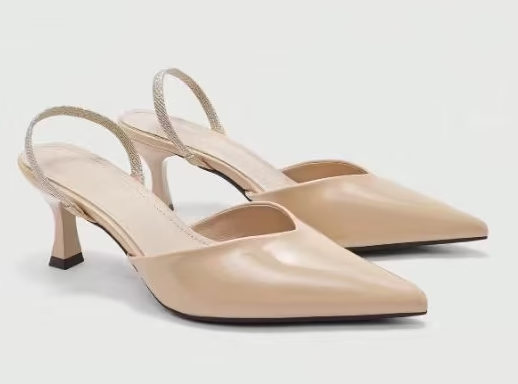
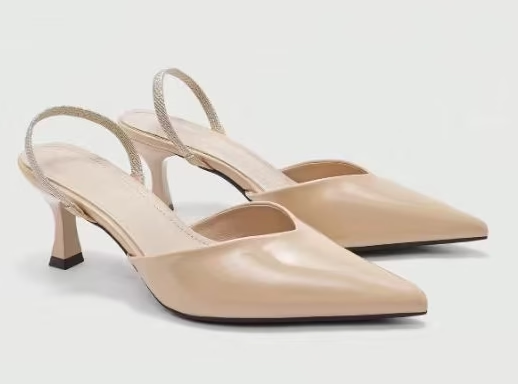
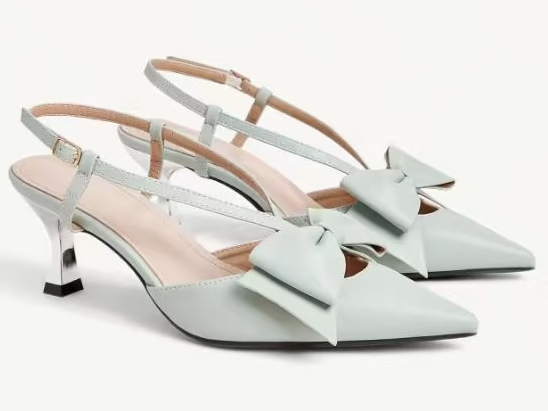
    A kitten heel is a type of women’s shoe characterized by a low, slim heel, typically paired with a refined and feminine design. Unlike towering high heels, kitten heels are subtle, functional, and versatile, making them suitable for both casual and formal occasions.

    How High Is a Kitten Heel?

    A true kitten heel usually measures 1 to 2 inches (approximately 3–5 cm) in height.

    This modest elevation offers a gentle lift without placing excessive pressure on the foot, making it ideal for prolonged wear.

    From an industry perspective, this heel height is often chosen to:

    1.Reduce foot fatigue

    2.Improve walking stability

    3.Appeal to customers who avoid high heels for comfort or health reasons

    What Is the Point of a Kitten Heel?

    The primary purpose of a kitten heel is comfort-driven elegance.

    Key benefits include:

    1.A more natural foot angle compared to high heels

    2.Reduced strain on the arch and forefoot

    3.A polished appearance suitable for professional or formal environments

    Kitten heels are especially popular among women who want the visual refinement of heels without the discomfort typically associated with stilettos.

    What Is Another Name for Kitten Heels?

    Kitten heels are sometimes referred to as:

    1.Low heels

    2.Micro heels

    3.Low stiletto heels (in some fashion contexts)

    However, it’s important to note that not all low heels qualify as kitten heels. The defining features are both height and heel shape, which is usually slim rather than blocky.

    What Is the History of Kitten Heels?

     History of Kitten Heels

    Understanding the background of kitten heels helps explain why they remain relevant across generations.

    Where Did the Kitten Heel Come From?

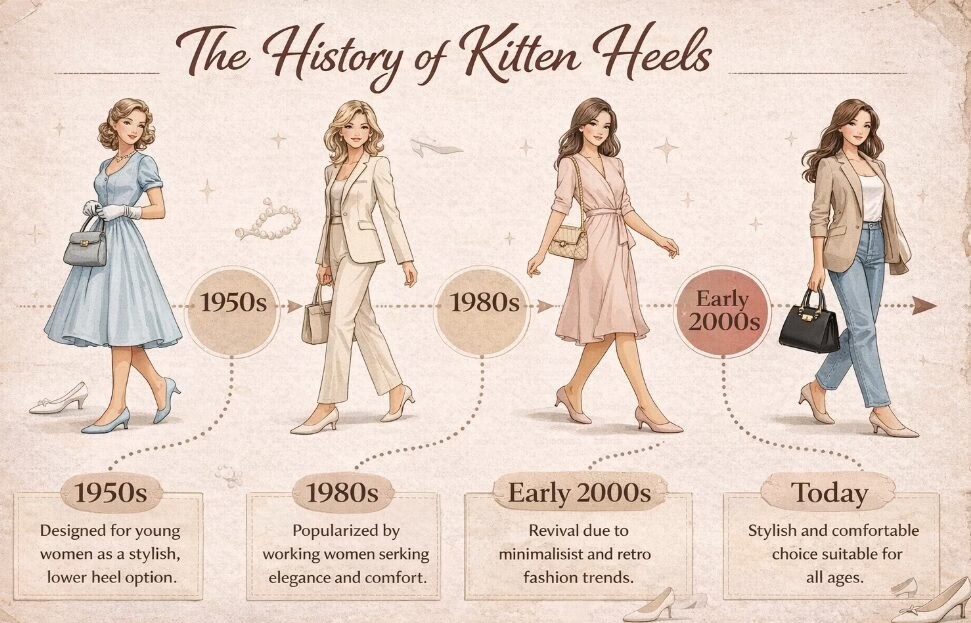
    Kitten heels first appeared in the mid-20th century, originally designed as training heels for young women who were transitioning from flat shoes to higher heels. The idea was to offer a gentle introduction to elevated footwear while maintaining elegance.

    When Were Kitten Heels Popular?

    Kitten heels gained mainstream popularity during the 1950s and 1960s, a period when femininity, grace, and practicality coexisted in fashion.

    They experienced multiple revivals:

    1.Late 1980s: Professional women embraced them for office wear

    2.Early 2000s: Minimalist fashion trends brought them back

    3.Recent years: Comfort-focused fashion and retro influences renewed interest

    Who Made Kitten Heels Popular?

    While designers and fashion houses helped promote the style, kitten heels became widely accepted due to cultural icons and changing lifestyle needs. Their popularity grew organically as women sought footwear that matched evolving roles—working, commuting, and socializing—without compromising on style.

    Are Kitten Heels Still in Style?

    Kitten Heels

    Yes—kitten heels are very much still in style.

    Modern fashion trends emphasize:

    1.Wearability

    2.Versatility

    3.Timeless silhouettes

    Kitten heels align perfectly with these priorities. Today’s designs incorporate updated materials, sharper toe shapes, and contemporary color palettes, making them relevant for modern wardrobes while retaining their classic charm.

    From runways to everyday street style, kitten heels are no longer seen as outdated but rather as a smart, elegant alternative to extreme high heels.

    Kitten Heels vs Stiletto High Heels

    Kitten Heels vs Stiletto High Heels

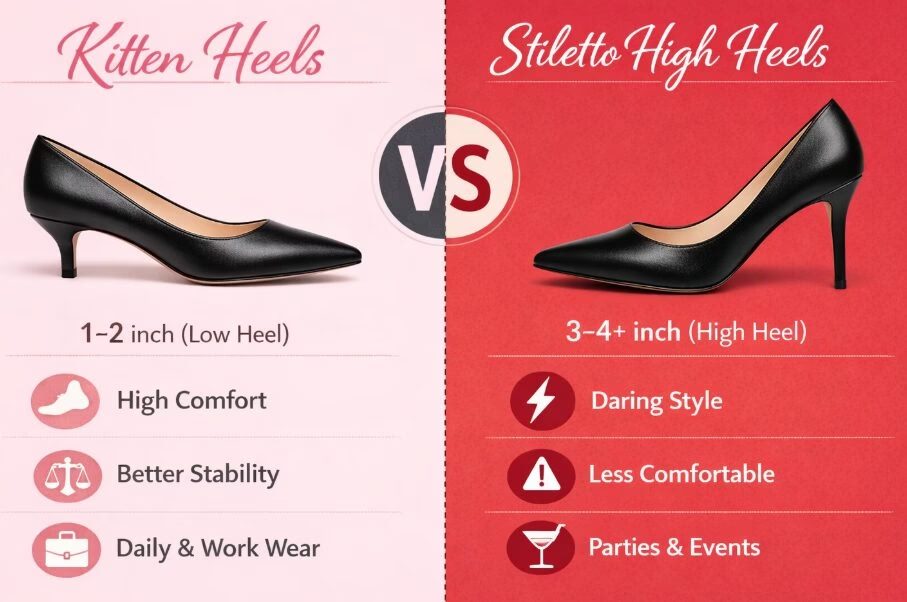
    Although they may look similar at first glance, kitten heels and stiletto heels serve very different purposes.

    FeatureKitten HeelsStiletto High Heels
    Heel height1–2 inches3 inches and above
    ComfortHighLow to moderate
    StabilityBetter balanceRequires experience
    Use casesDaily wear, work, formalEvents, fashion statements
    Foot strainMinimalHigh

    From a functional and commercial standpoint, kitten heels cater to a broader audience, especially women prioritizing comfort, while stilettos are more niche and occasion-specific.

    How to Style Kitten Heels?

    kitten heel pumps

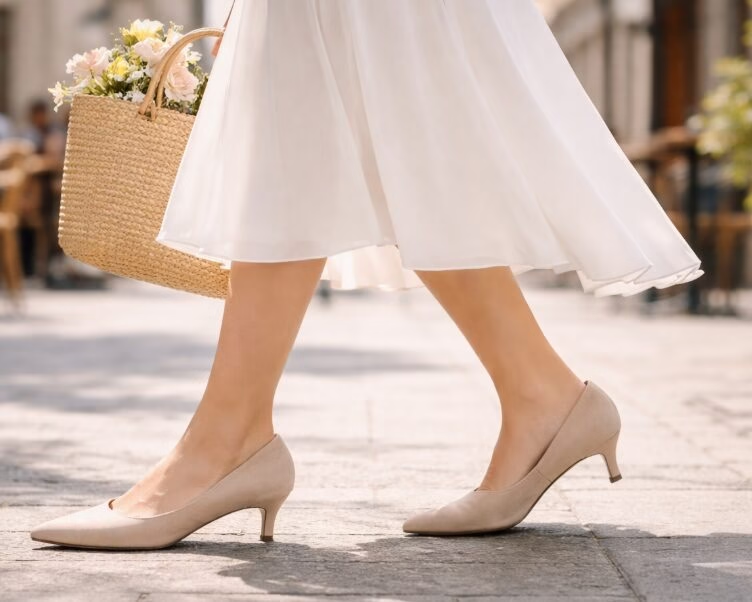
    One of the reasons kitten heels are considered a timeless fashion staple is their styling flexibility.

    Who Should Wear Kitten Heels?

    Kitten heels are suitable for:

    1.Women who walk or stand for long hours

    2.Professionals seeking office-appropriate footwear

    3.Beginners who are not comfortable with high heels

    4.Mature customers who prefer elegance with support

    They are also popular among buyers looking for wide market appeal in retail or wholesale collections.

    When to Wear a Kitten Heel?

    Kitten heels work well for:

    1.Office and business meetings

    2.Formal events that require prolonged standing

    3.Daily commuting

    4.Social gatherings where comfort matters

    Their understated profile makes them appropriate across seasons and settings.

    What Do You Wear Kitten Heels With?

    Kitten heels pair effortlessly with:

    1.Tailored trousers and suits

    2.Midi skirts and dresses

    3.Jeans for smart-casual looks

    4.Workwear and minimalist outfits

    Pointed-toe kitten heels, in particular, create a polished silhouette that complements both classic and modern styles.

    How to Choose the Right Pair of Kitten Heels

    Sanshengshoes

    Selecting the right kitten heels involves more than heel height alone. Quality, construction, and fit play a crucial role—especially for brands, retailers, and private-label buyers.

    Key Factors to Consider

    1.Heel shape: Slim but stable

    2.Toe design: Pointed for elegance, rounded for comfort

    3.Materials: Genuine leather or high-quality alternatives

    4.Insole support: Cushioned footbeds improve long-term wearability

    5.Craftsmanship: Precision affects durability and comfort

    Manufacturing & Customization Perspective

    For buyers seeking reliable production, Sanshengshoes brings years of industry experience in high-heel manufacturing. As a top-tier supplier to SHEIN, Sanshengshoes specializes in custom high-heel solutions, including kitten heels tailored to brand-specific requirements.

    Their strengths include:

    1.Custom heel height and shape development

    2.Comfort-focused structural design

    3.Consistent quality control

    4.Scalable production for wholesale and private label clients

    This ensures that both comfort and durability are maintained without compromising aesthetics—an essential factor for modern consumers.

    FAQ

    1.What Are Black Kitten Heels?

    Black kitten heels are classic, versatile shoes featuring a low heel and black upper. They are widely regarded as a wardrobe essential due to their ability to match formal, professional, and casual outfits with ease.

    2.Is a Kitten Heel a Stiletto?

    Not exactly. While both may have slim heels, a kitten heel is significantly lower in height. All kitten heels are slim-heeled, but not all slim heels are stilettos.

    3.What Kind of Shoes Are Kitten Heels?

    Kitten heels are low-heeled women’s shoes designed to offer elegance, stability, and comfort. They are commonly used for daily wear, work environments, and occasions that require extended periods of standing or walking.

    Conclusion

    Kitten heels have earned their place as a timeless fashion staple by offering what many women truly need: balance. They combine the elegance of traditional heels with the practicality required for modern lifestyles. From their historical origins to their continued relevance today, kitten heels remain a smart, stylish choice for both consumers and brands alike.

    Whether worn for work, social occasions, or developed as part of a custom footwear collection, kitten heels prove that fashion doesn’t need to be extreme to be enduring.