Author: Zoey

  • How To Choose A Custom Sandals Manufacturer For Private Label And Bulk Orders?

    How To Choose A Custom Sandals Manufacturer For Private Label And Bulk Orders?

    Abstract

    The best custom sandals supplier is not simply the one with the lowest quote. For brands, retailers, wholesalers, and ecommerce sellers, the better choice is a factory that can support practical customization, efficient sampling, stable quality, and dependable bulk delivery. This article explains who should work with a custom sandals manufacturer, what buyers usually mean by related sourcing terms, which five checkpoints matter most before cooperation starts, how to judge long-term factory fit, and what questions to ask before placing a first order. It also naturally reflects the service strengths presented by Sansheng Shoes, including OEM and ODM support, low-MOQ flexibility, in-house design updates, factory-level inspection, and scalable production.

    Quick Answer

    Choose a custom sandals manufacturer that matches your business model, supports clear customization, offers workable MOQ and sample timing, and can keep quality and delivery stable as your order volume grows.

    Key Takeaways

    • custom sandals are most suitable for brands, retailers, wholesalers, and ecommerce sellers that need stronger product differentiation.
    • customized sandals and custom made sandals are useful related terms, but buyers should focus more on actual customization depth than on wording alone.
    • Before choosing a supplier, confirm MOQ, sample lead time, material options, logo methods, and quality control.
    • Long-term factory value depends on development ability, communication speed, consistency, packaging support, and delivery reliability.
    • Sansheng Shoes presents several strengths buyers often look for, including OEM and ODM capability, MOQ from 50 pairs, 100+ weekly style updates, five quality inspection processes, direct factory supply, and global shipping support.

    Who Should Work With A Custom Sandals Manufacturer?

    custom sandals manufacturer

    The right buyers are companies that need differentiated products, stronger brand control, and better margin protection. If your business depends on exclusive styles, private label packaging, or reduced price competition, working with a custom sandals manufacturer is usually more strategic than sourcing only standard catalog products.

    Are Brand Owners A Good Fit For Private Label Sandals?

    Yes, brand owners are one of the best fits for private label sandals. They usually need custom uppers, branded insoles, logo details, packaging, and more recognizable styling so their products feel brand-specific rather than interchangeable. For this type of buyer, a supplier that can connect design, materials, and production in one process creates much more value than a trader that only quotes existing styles.

    Why Do Retailers And Wholesalers Choose Bulk Custom Sandals?

    They choose bulk custom sandals because exclusive products are easier to merchandise and less exposed to direct price comparison. Retailers and wholesalers also gain more control over seasonal color stories, repeat-order planning, and customer segmentation. A stronger factory partner helps them build collections that look more intentional and commercially usable.

    Can Ecommerce Sellers Start With Customized Sandals?

    Yes, ecommerce sellers can start with customized sandals instead of fully new development. In many cases, modifying an existing style through color changes, logo application, insole branding, or packaging updates is enough to test demand quickly and with lower inventory risk.

    Buyer Fit Table

    Buyer TypeBest Use CaseMain GoalRecommended Starting Point
    BrandPrivate label launchBuild identityLogo, packaging, exclusive colorways
    RetailerSeasonal assortmentReduce direct comparisonRepeatable custom styles
    WholesalerVolume programImprove differentiationScalable bulk runs
    Ecommerce sellerMarket testingLower riskLight customization on existing styles

    A supplier like Sansheng Shoes is relevant to these buyer types because its site presents direct-factory OEM and ODM service, small trial orders from 50 pairs, and end-to-end support from design to shipment. Those are exactly the features many B2B buyers look for at both the early stage and the scaling stage of a custom sandals program.

    What Do Buyers Usually Mean By Custom Sandals?
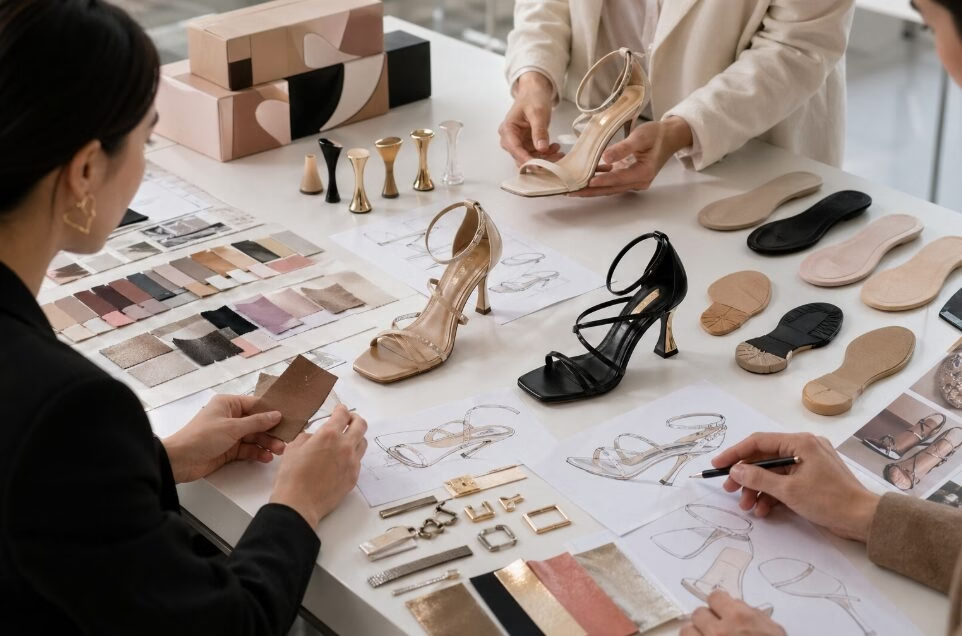
    Custom Sandals

    Buyers usually use custom sandals as a broad sourcing term that covers several levels of customization. In real factory communication, the more important issue is not the wording itself, but whether the supplier can support light modification, deeper development, or both.

    What Does Customized Sandals Usually Mean?

    It usually means an existing style is being modified rather than rebuilt from zero. A buyer may change the upper color, buckle finish, logo method, insole print, or shoe box while keeping the basic outsole and construction unchanged.

    What Does Custom Made Sandals Usually Mean?

    It usually means deeper development based on a sketch, reference sample, or tech pack. That can include new patterns, custom trims, outsole adjustments, heel changes, or other structural updates that require more development time.

    Do These Terms Need A Strict Comparison?

    No, these terms do not always need a strict comparison. In sourcing conversations, they often overlap, so the better approach is to define the actual customization scope, material options, tooling needs, and sample process before discussing price or lead time.

    Practical Meaning Table

    TermTypical Sourcing MeaningBest For
    Custom sandalsBroad customization termGeneral supplier communication
    Customized sandalsModified existing stylesFaster and lower-risk projects
    Custom made sandalsDeeper development workMore original product creation

    This is where supplier flexibility matters. Sansheng Shoes describes personalized customization, OEM and ODM models, ready-to-ship inventory, small trial orders, and full-scale mass production. That suggests a buyer can begin with lighter customization and later move into more developed private label programs.

    What Should You Confirm Before Choosing A Supplier?

    MOQ For Custom Sandals

    You should confirm MOQ, sample lead time, material options, logo methods, and quality control before choosing a supplier. These five checkpoints directly affect commercial risk, launch timing, product positioning, and the success of future repeat orders.

    What Is The MOQ For Custom Sandals?

    MOQ is the minimum quantity required for production, and it directly affects your inventory pressure and entry cost. Lower MOQ is especially important for new brands, seasonal tests, and ecommerce sellers validating demand. A supplier that supports smaller trial orders gives buyers more flexibility in early-stage sourcing.

    How Long Is The Sample Lead Time?

    Sample lead time is the real measure of how fast a factory can move from concept to execution. A supplier that replies quickly but samples slowly can still damage your launch calendar. Ask about first samples, revisions, and pre-production confirmation, not just one general timeline.

    What Material Options Are Available?

    Material options shape both quality and pricing. Buyers should ask about upper materials, linings, insoles, outsole choices, trims, and color availability. Good suppliers explain not only what is available, but also how those choices affect comfort, durability, and commercial positioning.

    Which Logo Methods Can Be Used?

    Logo methods affect brand visibility and cost. Common options include embossing, debossing, printing, metal plates, outsole logos, and packaging labels. The right method should match your price band and target customer rather than simply add decoration.

    How Does The Factory Handle Quality Control?

    Quality control should run through the full process, not only final inspection. Stronger factories check materials, color consistency, fit grading, workmanship, finishing, and packing standards before shipment, which reduces repeat-order risk.

    Supplier Evaluation Checklist

    CheckpointWhy It MattersKey Question
    MOQControls risk and inventoryWhat is the MOQ by style, color, and size range?
    Sample lead timeAffects launch speedHow many days are needed for each sample stage?
    Material optionsShapes quality and priceWhich materials are standard and which are upgraded?
    Logo methodsAffects brand imageWhich branding options fit this style?
    Quality controlProtects repeat businessHow do you control fit, color, and workmanship?

    Sansheng Shoes presents several relevant strengths in this area, including MOQ from 50 pairs, 100+ new style updates weekly, five quality inspection processes, and direct factory supply without middlemen. Those points align closely with the five checkpoints buyers should review before approving a sampling plan or first order.

    How Can You Judge Whether A Factory Fits Long-Term Cooperation?

    Custom Sandals Factory

    You can judge long-term fit by looking at development ability, sampling efficiency, production stability, and packaging coordination. A factory may look attractive on price, but long-term success depends on whether it can keep quality, communication, and timing consistent over repeated orders.

    Does The Supplier Have Real Development Ability?

    A good factory should be able to turn reference images, sketches, or commercial targets into workable samples. Strong development ability usually shortens revision cycles and reduces misunderstandings between buyer expectations and actual production output.

    Is The Sampling Process Efficient And Structured?

    A structured supplier gives clear timelines, revision logic, and practical material suggestions. This matters because poor sample management usually becomes a larger problem during bulk production.

    Can The Factory Keep Color And Size Stable?

    Consistency is one of the most important long-term indicators. Repeatable fit grading, reliable color matching, and stable finishing standards matter much more than one successful first sample.

    Can The Supplier Support Packaging And Delivery Smoothly?

    A scalable partner should be able to support branded boxes, carton marks, barcode labels, and different shipping needs without confusion. This is especially important for private label retail, wholesale, and ecommerce fulfillment.

    Long-Term Fit Scorecard

    CapabilityWeak SignStrong Sign
    DevelopmentVague answersClear suggestions and feasible solutions
    SamplingSlow or inconsistentFast and structured follow-up
    ConsistencyUnstable fit or colorsRepeatable quality standards
    PackagingLimited cooperationFlexible private label support

    Sansheng Shoes highlights several long-term cooperation signals on its website, including 18 years of B2B experience, 10 production lines, monthly capacity of over 200,000 pairs, sales in 56 countries, and sea and air freight with door-to-door service. The site also states that regular styles can ship within 7 days and that large-volume orders can be delivered in about 7 to 15 days, which are exactly the kinds of operating details a buyer should evaluate when judging long-term factory reliability.

    What Questions Should You Ask Before Your First Order?
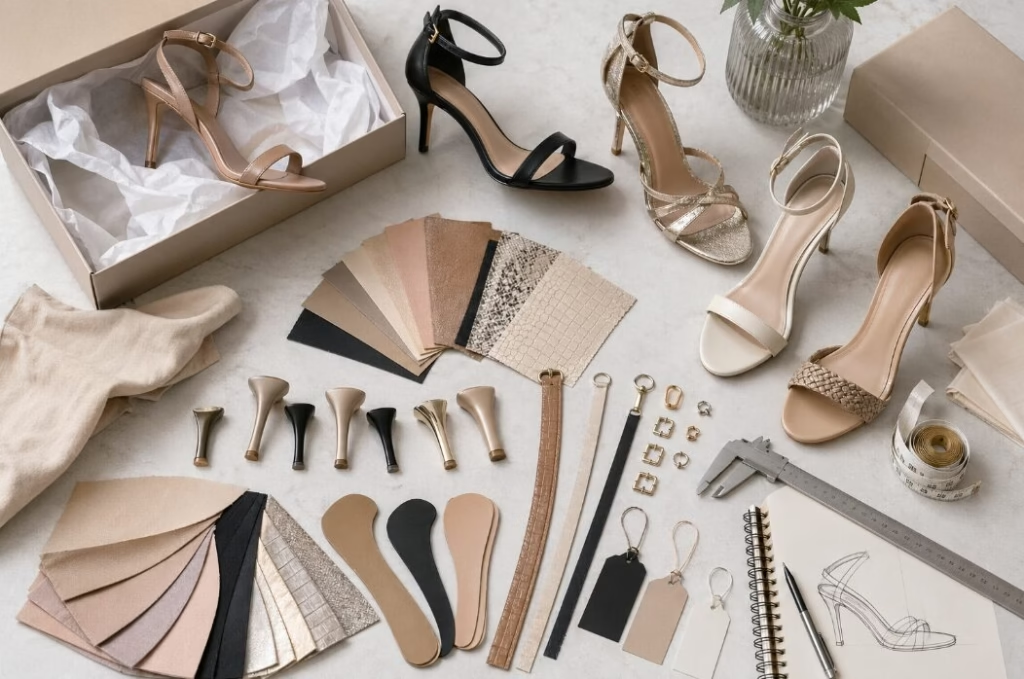
    Custom Sandals Core Supplier Questions

    You should ask focused questions about quantity, timing, customization scope, consistency, and responsibility before your first order. Clear questions reduce sourcing risk and reveal whether the supplier is operationally strong or only commercially attractive.

    What Are The Core Supplier Questions?

    The best supplier questions are the ones that clarify what will be produced, how long it will take, how quality will be controlled, and what happens if approved samples and bulk goods do not match.

    • What is the MOQ for this custom sandals style by color and size range?
    • How long are the sample lead time and bulk lead time?
    • Which parts of the sandal can be customized?
    • Which logo methods are available for private label sandals?
    • How do you control size, color, and workmanship consistency?
    • Can you support branded packaging and carton labels?
    • What happens if the pre-production sample differs from bulk output?
    • Do you support both OEM and ODM projects?

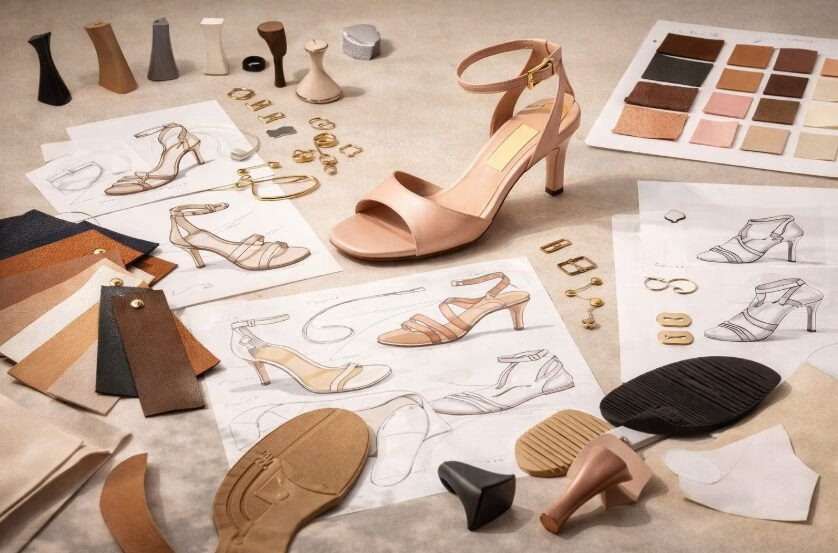
    This question set matches the kind of structured process shown on the Sansheng Shoes site, which outlines needs communication, mold making, material sourcing, upper assembly, product molding, quality assurance, packaging, and flexible production. That visibility is useful because it helps buyers judge whether a factory has a real operating system behind its quotations.

    FAQ

    1.Are Custom Sandals Suitable For Small Brands?

    Yes, custom sandals are suitable for small brands when the supplier supports moderate customization and manageable MOQ. That makes testing easier before moving into larger repeat orders.

    2.Are Customized Sandals Faster Than Custom Made Sandals?

    Yes, customized sandals are usually faster because they modify existing styles instead of building a product from zero. That often shortens both development and production preparation.

    3.Should You Choose OEM Or ODM?

    You should choose OEM if you already have a clearer design direction, and ODM if you want to start from supplier-developed styles and adapt them for your market.

    4.What Matters Most In A First Bulk Order?

    The most important factors are clear specifications, workable MOQ, stable samples, transparent communication, and repeatable quality. These usually matter more than the lowest starting quote.

    Conclusion

    The best custom sandals manufacturer is the one that can support your business beyond the first sample. For buyers evaluating long-term partners, the real priority should be flexible MOQ, efficient development, stable quality control, packaging cooperation, and scalable delivery. Sansheng Shoes naturally illustrates many of these service strengths through its direct-factory model, OEM and ODM support, low-MOQ entry point, frequent design updates, inspection system, and global production and shipping capacity. For a B2B buyer, those are the kinds of supplier advantages that make a custom sandals program easier to launch and more reliable to scale.
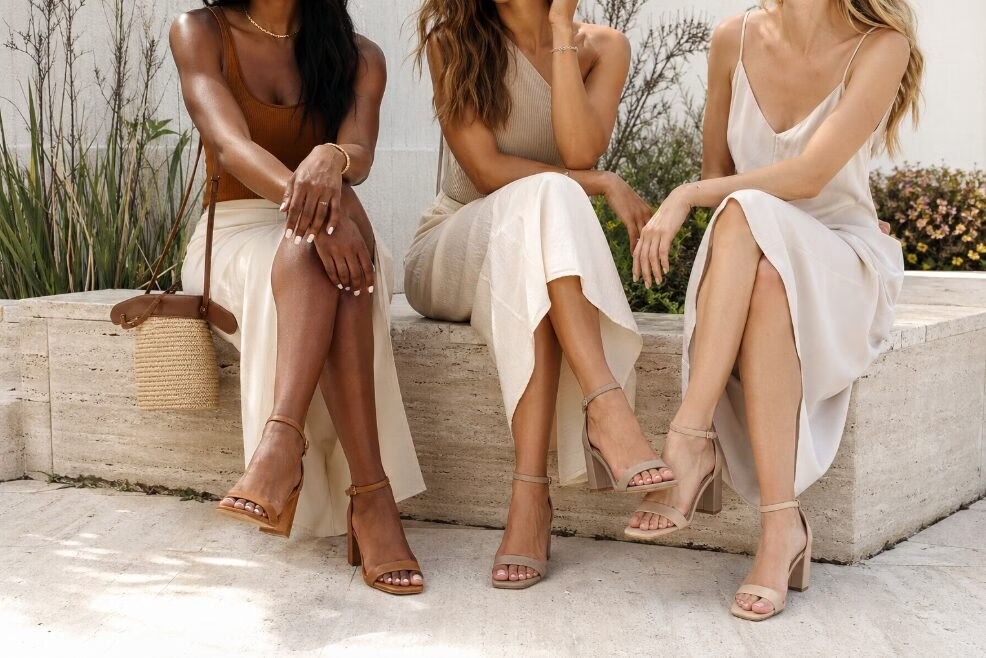
  • How To Choose Nude High Heel Sandals For Different Skin Tones?

    How To Choose Nude High Heel Sandals For Different Skin Tones?

    Abstract

    Choosing the right nude high heel sandals is not only about finding the lightest beige pair. The best choice depends on shade depth, undertone, silhouette, finish, and comfort. Nude sandals can range from soft beige and taupe to caramel and soft brown, and each tone works differently across skin tones and outfits. This guide explains how to choose the most flattering shade, which heel shapes feel more modern, and what details make one pair easier to wear in real life.

    Quick Answer

    The best nude high heel sandals are the pair that match your skin tone closely, feel modern in shape, and stay comfortable enough to wear beyond one short event.

    Key Takeaways

    • Nude is a family of neutral tones, not one fixed color.

    • Beige, taupe, caramel, and soft brown can all work as nude shades.

    • Strappy, sleek silhouettes usually feel more current than heavy formal shapes.

    • Finish matters almost as much as color.

    • A flattering pair should balance shade match, shape, and comfort.

    Why Don’t Nude High Heel Sandals Look The Same On Everyone?

    Nude High Heel Sandals

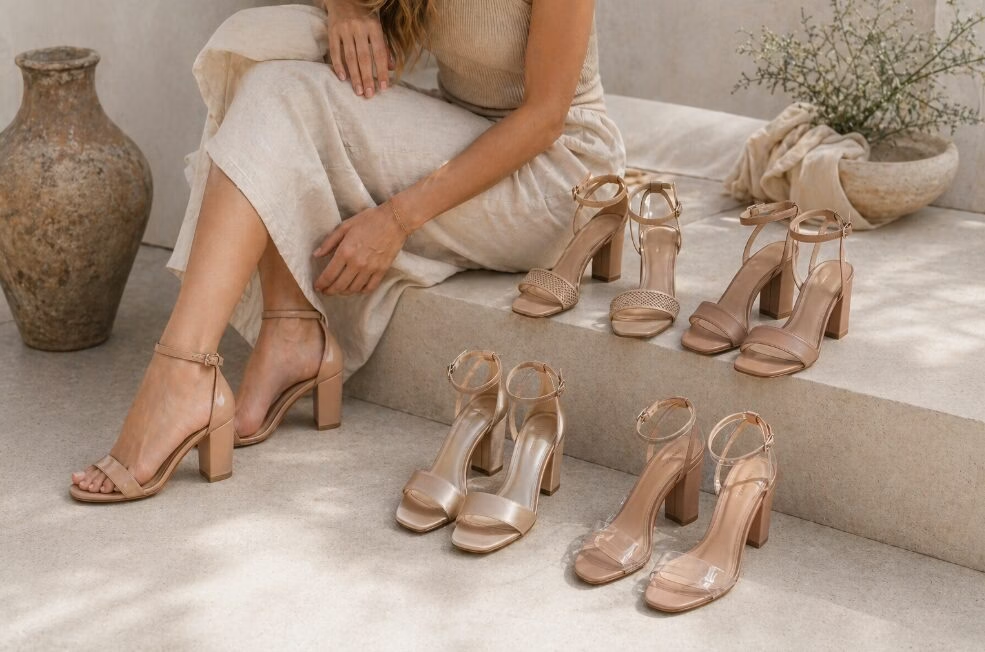
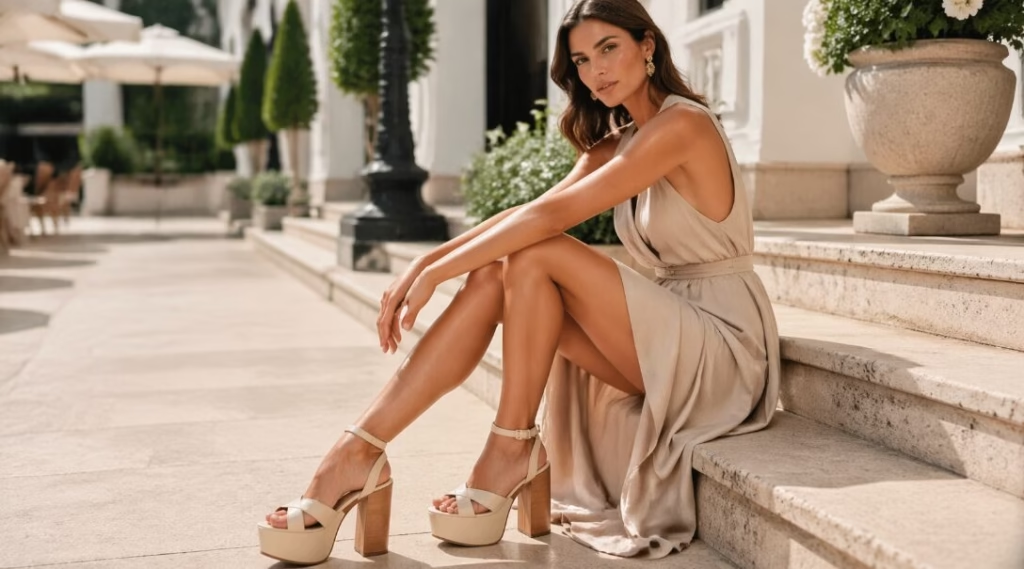
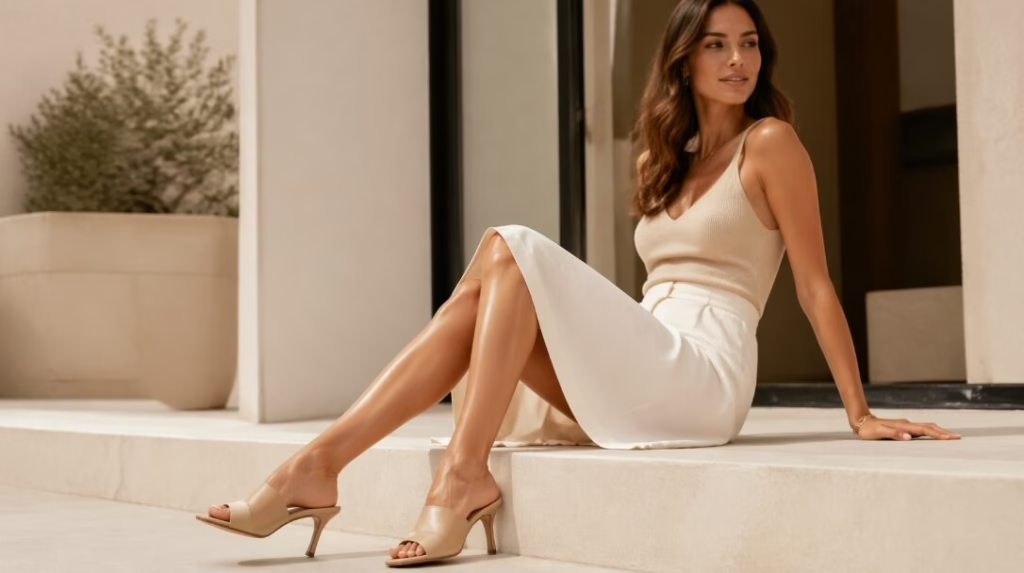
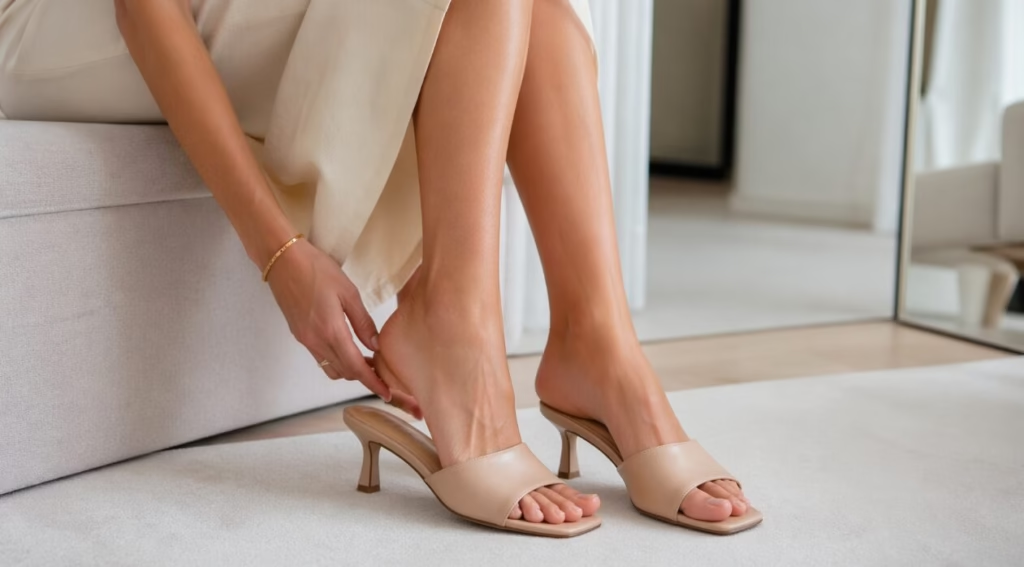
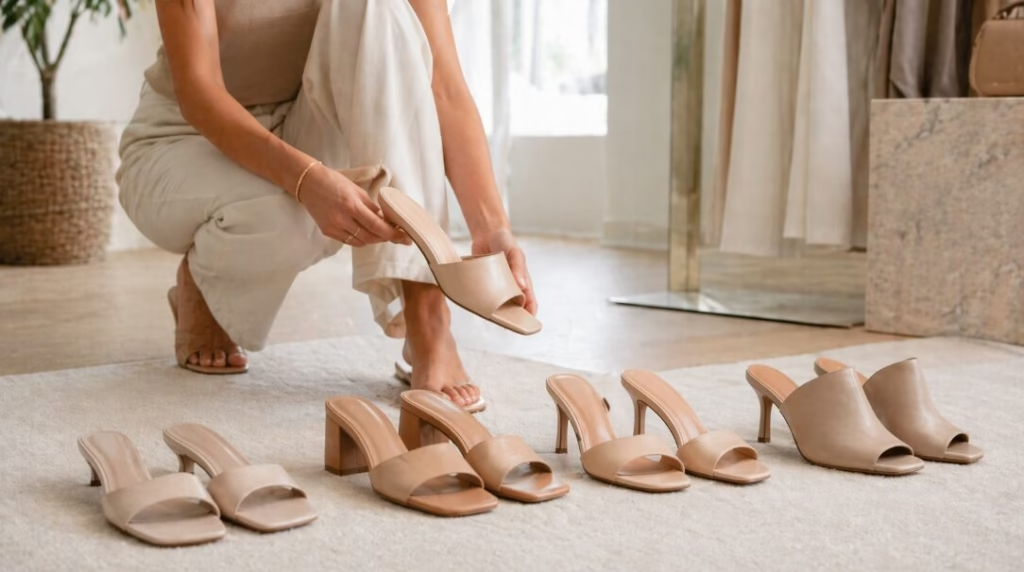
    Nude high heel sandals do not look the same on everyone because nude is not one universal color. In footwear, nude should be understood as a range of neutral tones rather than one pale beige standard. A flattering nude heel usually feels close to your own skin depth and undertone, which creates a smoother visual line from leg to shoe.

    Soft beige, warm sand, taupe, caramel, mocha, and soft brown can all function as nude depending on the wearer. Once you think of nude this way, the question changes from “Is this shoe nude?” to “Is this the right nude for me?” That shift is important because pale beige is not always the most flattering option. On some skin tones it looks elegant and elongating, but on others it can feel chalky, disconnected, or slightly dated.

    Which Nude Shades Work Best For Different Skin Tones?

    Nude Shades Work Best

    The best nude shade is usually the one that feels closest to your skin depth, whether that is beige, taupe, caramel, or soft brown. The goal is not to erase contrast completely. The goal is to choose a neutral that looks natural, polished, and easy to style.
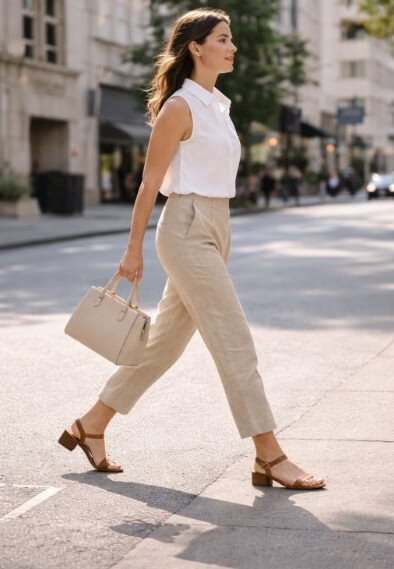
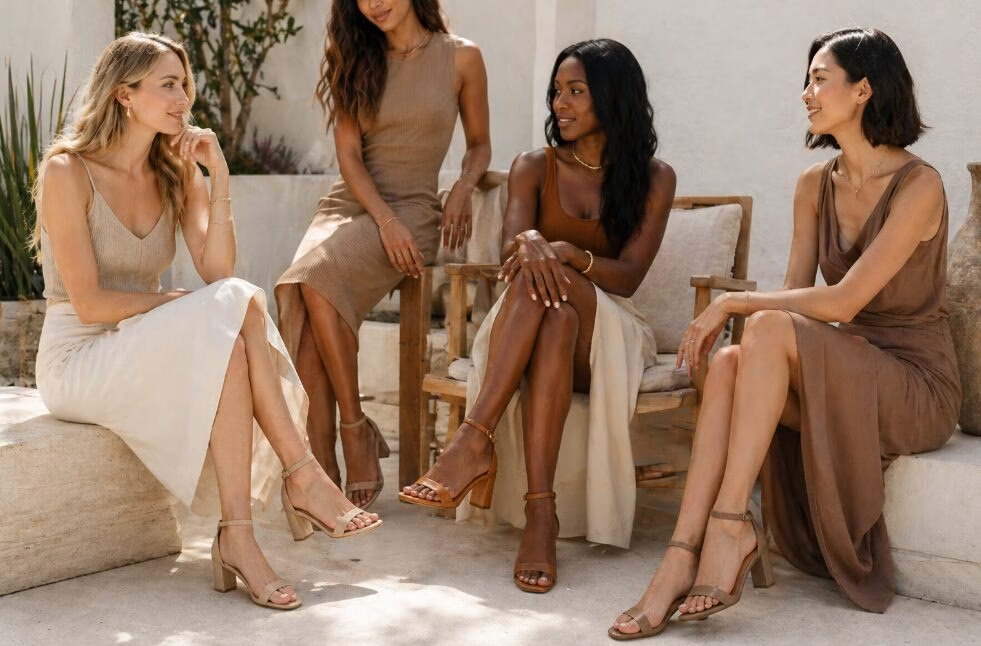
    Fair skin often looks best in soft beige, blush nude, and light neutral tones that do not lean too yellow. Medium and olive skin tones are usually flattered by taupe, sand, and warm nude shades because they feel more seamless than very pale ivory. Tan skin often pairs beautifully with honey beige and caramel, while deeper complexions usually look more elegant in mocha, cocoa, and soft brown. These darker neutrals can still function as nude while adding more richness and visual harmony.

    Which Nude High Heel Sandals Look More Modern Right Now?

    Nude High Heel Sandals Look More Modern

    The most modern nude high heel sandals usually have lighter straps, cleaner lines, and a sleeker heel shape. Color alone does not make a sandal feel current. The silhouette matters just as much.
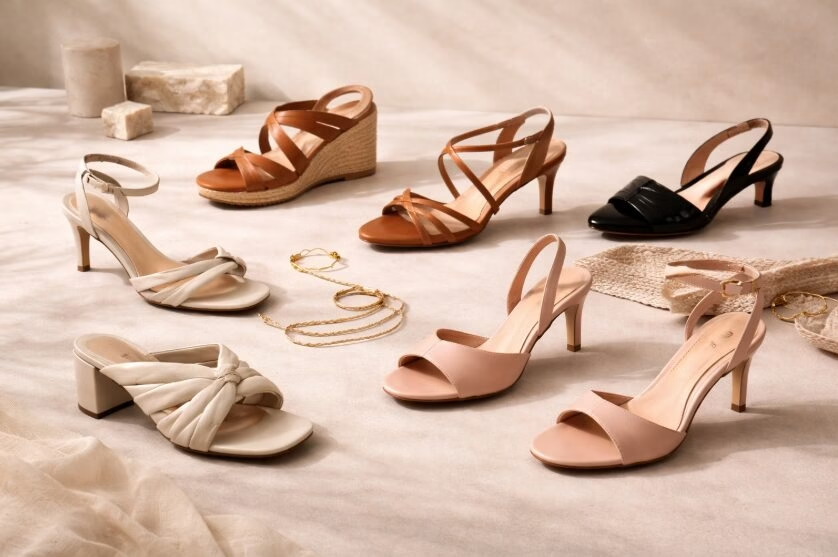
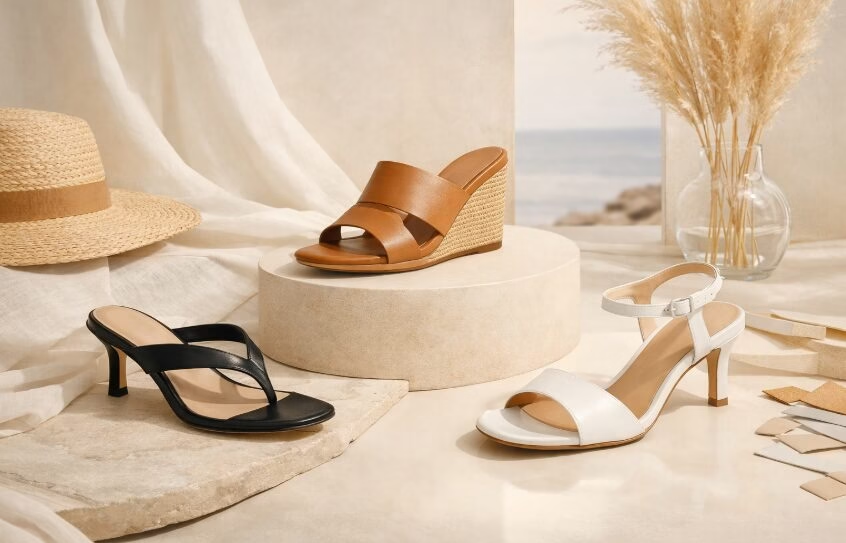
    Strappy sandals feel lighter because they reveal more skin and create less visual weight, which makes them ideal for warm-weather dressing. Minimalist square toes, slimmer straps, and less decoration also help nude heeled sandals look sharper and more relevant. Block heels can still work well when you need more stability or longer wear, but they look best when the overall design stays simple. Nude heels tend to look dated when the shade is too pale, the silhouette is too formal, or the shoe relies on too many delicate details at once.

    How Do Finish And Material Change The Effect Of Nude Sandals?

    Effect Of Nude Sandals

    Finish and material change the look of nude sandals almost as much as the shade itself. A beige sandal in matte leather does not communicate the same thing as one in patent, satin, or mesh.

    Matte leather usually feels more modern, understated, and versatile, which makes it a strong choice for city styling, summer dinners, and minimalist wardrobes. Patent reflects more light and can feel dressier, bolder, or slightly more formal. Satin can work beautifully for occasion wear, while mesh and subtle clear details often give neutral sandals a lighter, more contemporary effect. The key is to keep the design refined rather than overly decorative, especially if you want the sandal to work across more than one setting.

    What Comfort Details Matter More Than Color Alone?

     Nude Sandals Color

    The best nude sandals are not only flattering in color but also comfortable enough to wear beyond one short event. Shade match matters, but wearability matters more if you want one pair to work across dinners, weddings, and summer evenings.

    Secure straps help keep the foot stable and reduce the feeling of sliding forward, which is especially important in strappy nude high heel sandals. Heel height also changes wearability more than many shoppers expect. A medium heel often gives a better balance between elegance and longer wear than a very high stiletto. Grip, balance, and fit stability matter too. Anti-slip soles, a steady heel base, and a well-shaped footbed make comfortable nude high heel sandals far more usable in real life.

    What Should You Wear With Nude High Heel Sandals Without Looking Too Formal?

    Nude High Heel Sandals Without Looking Too Formal

    Nude high heel sandals look best when the outfit feels light, modern, and aligned with the sandal shape. The easiest way to avoid a bridal or overly formal effect is to pair them with clean, relaxed pieces rather than overly delicate styling.

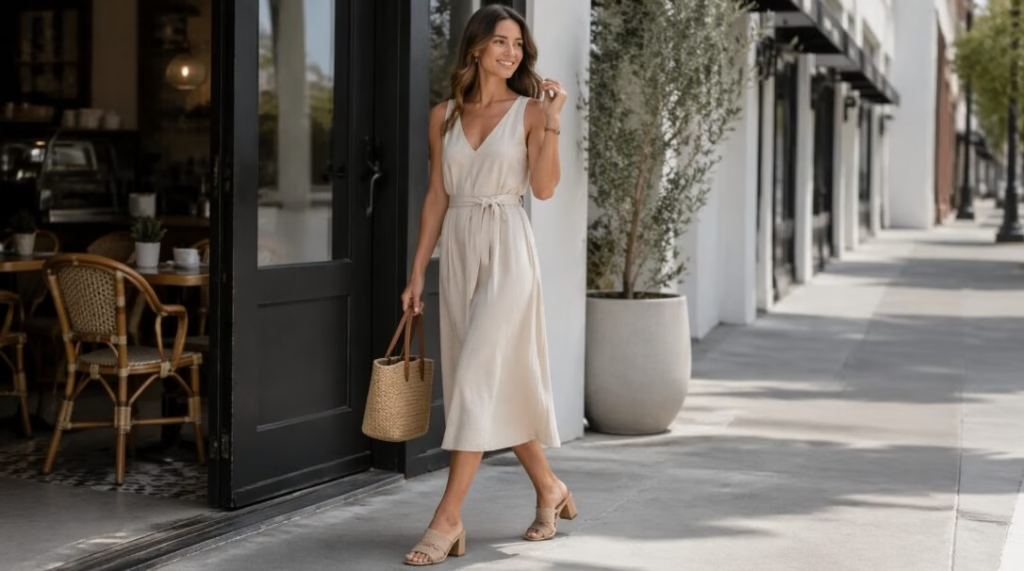
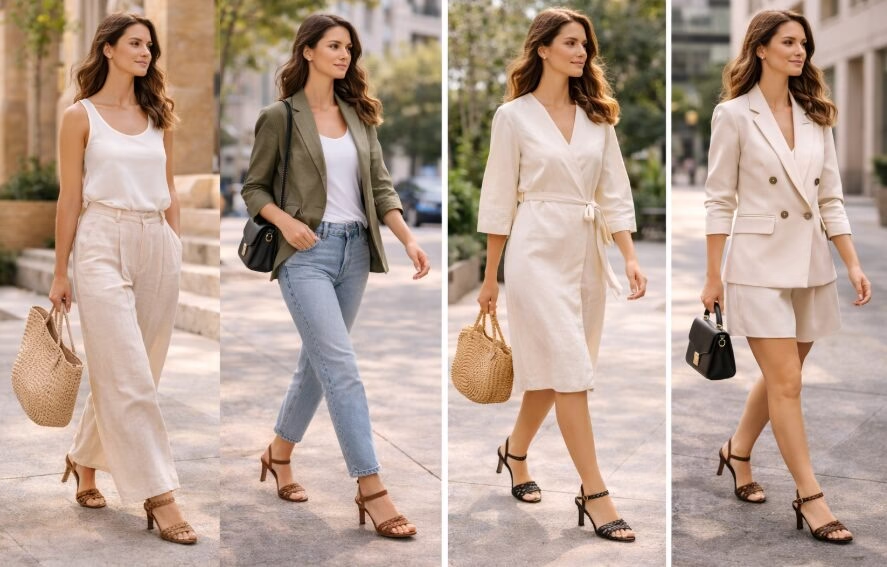
    White dresses, cream tailoring, denim, and soft neutral outfits all work naturally with nude sandals. Taupe, caramel, and soft brown shades are especially useful because they add warmth and depth without overpowering the look. Nude heels usually soften an outfit and lengthen the leg, which makes them ideal for warm-weather events, vacations, and simple evening outfits. Black heels work better when the outfit needs stronger contrast or sharper structure. Nude heels work better when the goal is ease, softness, and visual length.

    Final Thoughts On Choosing The Right Nude High Heel Sandals

    Right Nude High Heel Sandals

    The right nude high heel sandals are the pair that match your skin tone, feel current in shape, and still work in real-life wear. The best nude is not always beige, and it is not always the lightest option.

    Sometimes the right answer is taupe, sometimes caramel, and sometimes soft brown. If you choose with shade, silhouette, finish, and comfort in mind, you will end up with a pair of nude heeled sandals that look more flattering, more modern, and far more versatile.

  • Block Heel Platform Sandals vs Wedge Closed Toe Sandals: Which One Works Better for Outdoor Events?

    Block Heel Platform Sandals vs Wedge Closed Toe Sandals: Which One Works Better for Outdoor Events?

    Abstract

    This blog compares block heel sandals platform options with wedge heel closed toe sandals for lawns, garden parties, resort dinners, and other outdoor events.

    Quick Answer

    For most outdoor events, wedge heel closed toe sandals are steadier on soft ground and easier for longer standing, while block heel sandals platform styles usually look sharper, feel airier, and work better when the surface is firm.

    Key Takeaways

    • block heel sandals platform styles usually balance fashion impact, height, and a more open summer look.
    • wedge heel closed toe sandals often feel safer on grass, gravel, and long standing because the base contacts more surface area.
    • closed heel sandals usually look more polished for conservative dress codes, evening receptions, and mixed-weather events.
    • beach high heel sandals should stay low, broad, and stable; true sand rarely rewards a very high platform or wedge.
    • If the shoe pitch feels steep, the heel base feels narrow, or your foot slides forward, the pair is not a strong outdoor-event choice.

    What Makes Block Heel Sandals Platform Styles Different?

    Block Heel Sandals Platform Styles Different

    At a practical level, block heel sandals platform styles combine a thicker heel with a raised front sole, so the shoe can deliver visible height without feeling as steep as a standard stiletto sandal. That makes them appealing for garden parties, outdoor weddings, hotel terraces, and dressy summer events where you want lift but still need to walk with some confidence. Their strength is visual balance: the platform softens pitch, the block heel adds structure, and the open sandal shape keeps the look seasonally light.

    Block Heel Sandals Platform vs Wedge Heel Closed Toe Sandals

    The main difference is how the shoe handles support and formality. wedge heel closed toe sandals carry weight through a fuller base, so they usually feel steadier on grass or uneven paving. They also create more coverage at the front of the foot, which can read slightly dressier or more conservative. By contrast, block heel sandals platform designs usually feel more open, more fashion-forward, and more leg-lengthening from the front. In simple buying terms, the block-platform option often wins on modern styling, while the wedge closed-toe option often wins on terrain forgiveness.

    Which Option Works Better on Grass, Resorts, and Long Standing?

    wedge heel closed toe sandals

    For outdoor lawns, soft ground, and events with long standing time, wedge heel closed toe sandals usually have the safer advantage. The broader contact area helps reduce sinking, and the closed front can make the shoe feel more anchored during slow walking or standing in place. For resorts, hard walkways, and paved venues, block heel sandals platform styles often work beautifully because they still feel elevated but look lighter with warm-weather outfits. If the event includes both grass and stone paths, choose based on the weakest surface rather than the prettiest photo moment.

    Reddit:

    Stability, Leg-Lengthening, and Formality Compared

    Outdoor-event shoes are rarely about one metric alone. Stability matters first, but visual line and dress code matter too. A well-shaped block platform can make legs look longer and sharper with wide-leg trousers, slip dresses, and hemmed occasionwear. A wedge closed-toe sandal can look more polished with tailored dresses, midi lengths, and settings that lean formal but still require movement outdoors.

    FactorBlock Heel Sandals PlatformWedge Heel Closed Toe SandalsOutdoor Takeaway
    Stability on grassGood on firm lawns; weaker on soft or damp groundUsually better because the sole spreads weightPick wedge first if the venue is lawn-heavy
    Leg-lengthening effectStrong from the front because the foot looks more openSmoother side profile, but visually heavierPick block platform if silhouette matters most
    FormalityModern, fashion-led, warm-weather dressyPolished, covered, slightly more conservativePick closed-toe wedge for stricter dress codes
    Long standing comfortDepends on pitch, footbed, and platform balanceOften steadier for slower movement and waiting timeChoose the pair that feels stable when standing still

    How to Choose by Height, Leg Line, and Outfit Style?

    moderate block heel sandals platform 

    Height changes how these shoes behave. If you are petite or want a stronger lengthening effect, a moderate block heel sandals platform pair can be a smart choice because the front opening keeps the leg line cleaner. If you have fuller calves, wider feet, or prefer a more stable stance, wedge heel closed toe sandals may feel more balanced because the shoe looks visually grounded. Outfit styling matters too: resort dresses, flowing skirts, and relaxed evening sets often suit open platform block heels, while tailored occasion dresses and structured eventwear often pair better with covered-front wedges or other closed heel sandals.

    When Closed Heel Sandals Look More Formal?

    closed heel sandals generally read more finished when the event leans formal, conservative, or transitional in weather. They can also help if you want a neater front shape under a midi hem or a cleaner match with polished fabrics like satin, crepe, or structured jacquard. That said, too much bulk can make a wedge look heavy, so the better choice is usually the one with a refined toe shape and a heel height that matches the event pace rather than the one with the most dramatic lift.

    When High Heel Sandals Become Too Tall for Outdoor Events?

    Very high high heel sandals

    The wrong outdoor shoe is usually not the lower one; it is the one that is too tall for the surface. Very high high heel sandals can still fail outdoors even if they look stable in a dressing room. Once the pitch becomes steep, the foot can slide forward, the ankle works harder, and the heel base matters more with every step. The same warning applies to beach high heel sandals: on true sand, soft turf, or damp ground, extra height quickly stops feeling elegant and starts feeling risky.

    Red Flags for Overly High Platform or Wedge Pairs

    • The shoe feels easy when seated but unstable when turning or standing still.
    • Your toes push forward or grip to stop sliding.
    • The wedge is high but narrow under the arch, so it looks supportive without feeling supportive.
    • The platform is thick enough to add height, but not balanced enough to reduce pitch.

    Quick Scenario Guide

    ScenarioBetter OptionWhy It WorksWatch Out For
    Outdoor wedding lawnwedge heel closed toe sandalsMore surface contact and better control on grassVery high wedges can still feel heavy
    Resort dinnerblock heel sandals platformLooks lighter with summer dresses and evening setsCheck the platform pitch before committing
    Boardwalk or mixed pavingblock heel sandals platformGood balance of height and warm-weather styling on firmer groundAvoid slippery soles or very narrow heel bases
    Long standing receptionwedge heel closed toe sandalsOften steadier when you wait, mingle, and move slowly for hoursBulky uppers can feel hot in peak summer

    Buying Tips for Outdoor Event Shoes

     shopping block heel sandals platform design

    Before buying, test the shoe on the kind of pace you will actually use. Walk, stop, turn, and stand. For most outdoor events, a moderate height beats a dramatic one. Look for a base that stays centered under your body, a footbed that does not feel flat and hard, and enough front coverage to keep the foot from spilling forward. When shopping block heel sandals platform designs, make sure the platform really reduces pitch instead of only adding bulk. When shopping wedge heel closed toe sandals, check that the wedge is not so tall that it becomes heavy or stiff.

    Youtube:

    The Best Heel Base, Toe Shape, and Foot Coverage

    For grass, weddings, and long outdoor standing, the best choices are usually lower-to-moderate heels, broader bases, and cleaner support points. A softly rounded or almond-shaped toe can feel easier than a very narrow front, and a secure upper matters more than trend detail. If you need a summer vacation option, remember that many beach high heel sandals work best on boardwalks, decks, and resort flooring rather than on loose sand itself. In other words, choose the shoe for the real surface, not just the dress code.

    Start Your Custom Heels Project Today

    OEM/ODM support, flexible MOQ, and fast delivery for your business needs.

    Get a Free Quote

    FAQ

    1.Are block heel platform sandals better than wedges for outdoor weddings?

    Not always. On firm ground, block heel sandals platform styles can work very well. On grass or softer surfaces, wedge heel closed toe sandals are often the steadier choice.

    2.Do wedge closed-toe sandals make legs look shorter?

    They can look visually heavier than open sandals, but a clean vamp, refined toe shape, and the right hem length usually keep the line flattering.

    3.Are closed heel sandals too warm for summer events?

    Some are, especially with thick linings or heavy materials. Choose lighter construction if the event is hot and outdoors.

    4.When should I avoid very high heel sandals outdoors?

    Avoid them when the venue includes sand, damp grass, uneven stone, steep paths, or long standing time. Those are the moments when very high high heel sandals become harder to trust.

  • Slide Sandals with Heels: Are They Easier to Wear Than Strappy Heeled Sandals?

    Slide Sandals with Heels: Are They Easier to Wear Than Strappy Heeled Sandals?

    Abstract

    This blog explains whether slide sandals with heels are easier to wear than strappy high heel sandals in real summer use.

    Quick Answer

    In most warm-weather situations, slide sandals with heels feel easier to put on and cooler to wear, while strappy high heel sandals usually feel more secure for longer walking, stairs, and dressier plans.

    Key Takeaways

    • slide sandals with heels are best for convenience, quick styling, and short casual wear.
    • strappy high heel sandals usually provide better hold at the forefoot, heel, and ankle.
    • For resort use, beach high heel sandals should stay lower, broader, and easier to walk in.
    • A moderate heel, cushioned footbed, and better upper coverage matter more than trend alone.
    • If your toes need to grip to keep the shoe on, the pair is not a strong comfort choice.

    What Makes Slide Sandals with Heels Different?

    slide sandals with heels

    At a functional level, slide sandals with heels are open-back shoes with a lifted sole and no ankle fastening. Their main advantage is speed: you step in quickly, keep a clean summer silhouette, and move from casual to dressy without much effort. That makes them attractive for travel, dinner reservations, poolside transitions, and everyday outfit changes when convenience matters.

    Slide Sandals with Heels vs Strappy High Heel Sandals

    The core difference is retention. In motion, slide sandals with heels depend on vamp coverage, foot shape, and balance. By contrast, strappy high heel sandals use more structure to keep the foot aligned, so they often feel steadier once you start walking. In simple buying terms, slides win on ease; structured styles usually win on security.

    Reddit:

    Are Sandals on Heel Easier to Wear Day to Day?

     Sandals on Heel

    For quick errands, warm weather, and shorter walks, sandals on heel often feel easier at the start of the day. They slip on fast, pair well with linen, denim, and resort clothing, and feel less restrictive in heat. The trade-off is that open-back construction can make the foot work harder to stabilize each step, especially on smooth floors, stairs, or uneven pavement.

    When Do Heeled Sandals Feel More Secure?

    In longer-wear settings, heeled sandals tend to feel more secure when they add soft straps, better forefoot placement, and a stable heel shape. That extra containment matters if you expect more walking range, faster direction changes, or evening wear that lasts beyond a short outing.

    Comparison Table: ease vs security

    FactorSlide Sandals with HeelsStrappy High Heel Sandals
    Ease of putting onVery fast and convenientSlower because of straps and adjustments
    Hot-weather comfortAirier and less restrictiveDepends on strap placement and lining
    Walking securityModerate; depends on upper coverageUsually better because the foot is held in place
    Best use caseQuick styling, dinner, resort, short wearLonger events, city movement, dressier occasions
    Main riskToe gripping, sliding, heel liftStrap rub, pressure points, buckle friction

    Best Occasions: Beach High Heel Sandals, Vacation Looks, City Outfits, and Dinner Wear

     Beach High Heel Sandals

    In resort settings, beach high heel sandals should stay practical rather than dramatic. Lower slide shapes usually make more sense than narrow stilettos because sand, boardwalks, and poolside surfaces reward stability. For city evenings, more structured heeled sandals often look sharper and feel easier to trust over several hours. The best choice depends on surface, pace, and how often you expect to take the shoes off.

    Quick Scenario Guide

    ScenarioBetter optionWhy it worksWatch out for
    Beach club / resortslide sandals with heelsEasy on and off; lighter visual feelAvoid thin stilettos on unstable ground
    City dayheeled sandalsMore support for repeated walkingCheck for strap rub near toes and ankle
    Dinner dateslide sandals with heels or strappy high heel sandalsBoth work; choose based on walk distanceOpen-back pairs may slip if the heel is too high
    Long eventstrappy high heel sandalsBetter retention over timePoor strap placement can still cause pressure

    How to Spot Slip, Rub, and Heel Lift Before Buying

    A good pair of slide sandals with heels

    Before buying, look at containment first. A good pair of slide sandals with heels should hold the forefoot without making your toes curl. The upper should cover enough of the foot to create light control, while the heel should feel centered under the body rather than too far back or too narrow. During a try-on, notice whether the foot slides forward with each step or whether the heel lifts too much behind you. Both are early warning signs.

    Fit Checks for Slip-On Heels

    • Choose a heel shape that feels centered and stable under your stride.
    • Make sure the front band does not cut across the widest part of the foot.
    • Look for outsole grip and a footbed with at least light cushioning.
    • Stop immediately if you need to grip with your toes to keep the shoe on.

    Buying Tips for Slide Sandals with Heels

    Buying Tips for Slide Sandals with Heels

    The Best Heel Height, Footbed, and Upper Coverage

    For most buyers, the safest entry point is a moderate heel rather than a dramatic one. In everyday use, slide sandals with heels usually perform better around 2 to 2.75 inches than at sharper fashion heights. A padded footbed reduces forefoot fatigue, and wider upper coverage improves hold without adding the visual weight of heavy straps. If your priority is all-day ease, choose a lower block heel before a narrow dress heel.

    Start Your Custom Heels Project Today

    OEM/ODM support, flexible MOQ, and fast delivery for your business needs.

    Get a Free Quote

    YouTube:

    FAQ

    1.Are slide sandals with heels good for all-day wear?

    They can be, but only when the heel is moderate, the upper is supportive, and the footbed is cushioned. For heavy walking days, more structured heeled sandals are usually safer.

    2.Are slide sandals with heels better for wide feet?

    Sometimes. The open-back shape can feel less restrictive, but the front band still needs to sit in the right place and not compress the forefoot.

    3.What is the best summer choice for style and comfort?

    Choose slide sandals with heels for relaxed outfits and quick wear. Choose strappy high heel sandals for longer standing time, city movement, and dressier plans.

  • Woven Heeled Sandals: Why Braided Summer Sandals Look More Expensive

    Woven Heeled Sandals: Why Braided Summer Sandals Look More Expensive

    Quick Answer

    Woven heeled sandals look more expensive because braided texture adds depth, softness, and visible craftsmanship. In neutral tones and balanced heel shapes, they elevate summer outfits without feeling heavy or overly formal.

    Key Takeaways

    • The premium look of woven heeled sandals comes from texture, shadow, and a more artisanal finish.
    • Soft neutrals usually outperform bright glossy finishes when the goal is a refined summer outfit.
    • A mid block heel is easier to style than very thin high heel sandals.
    • These styles pair especially well with linen, denim, vacation dressing, and relaxed tailoring.
    • Skip overly loose braiding, narrow unstable heels, or cheap shine if you want a polished result.

    Abstract

    This article explains why woven heeled sandals often read as more elevated than ordinary summer heels. The answer usually comes from texture, craftsmanship cues, and styling balance rather than price alone.

    What are woven heeled sandals and why do they feel more premium?

    Woven heeled sandals

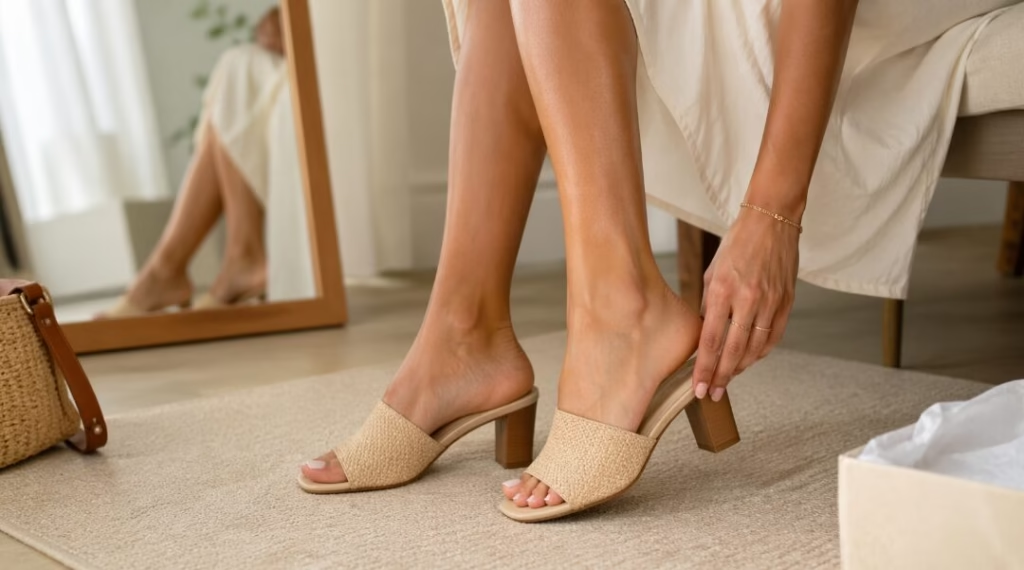
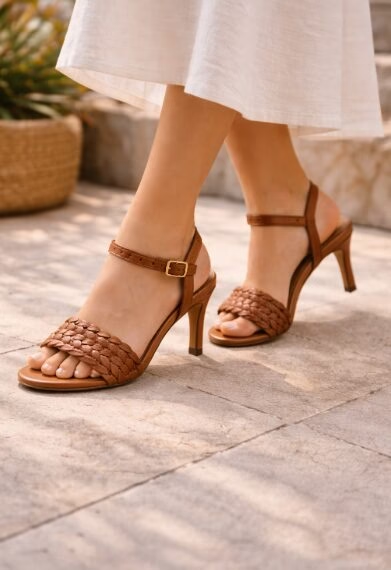
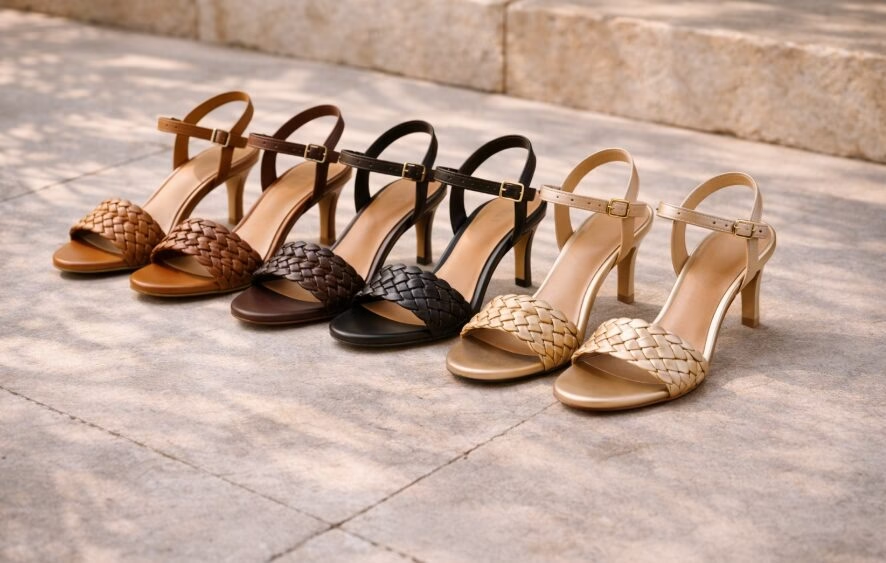
    At a basic level, woven heeled sandals are sandals with braided, interlaced, or basket-like uppers instead of a smooth unbroken surface. That construction changes the way light hits the shoe. A woven upper creates tiny shadows, layered lines, and movement, which makes the design feel more dimensional than standard heeled sandals. In fashion terms, dimension often reads as detail, and detail often reads as value.

    Woven heeled sandals vs standard heeled sandals

    Smooth leather sandals can look elegant, but they depend heavily on material quality and shape. Woven styles naturally add visual richness, so even simple silhouettes feel more considered. That is why many shoppers searching for summer sandals heels styles are drawn to braided textures first: they photograph well and soften an outfit without losing structure.

    Table 1. quick comparison of woven heeled sandals and standard leather sandals

    featurewoven heeled sandalsstandard leather sandalsstyle signal
    surface lookbraided, textured, layeredsmooth, flat, cleanermore depth and visual interest
    craft feelhand-finished impressionmore minimal and uniformreads artisanal and premium
    best pairinglinen, denim, resort piecestailoring, sleek dresseswoven styles soften outfits
    risk factorcan snag or look busycan look plain if materials are weakquality matters more in both

    Why braided texture makes heeled sandals look expensive

     heeled sandals

    Texture, craftsmanship, and visual depth

    Braiding signals handwork, even when the shoe is factory-made. The eye reads repeated woven lines as labor and finish. A flat plain upper can be chic, but a braided one usually looks warmer and more tactile. This is especially useful in summer, when lightweight clothing can make an outfit feel unfinished. The right woven sandal adds enough surface interest to anchor the look.

    Why they work well with summer fabrics

    Summer wardrobes rely on breathable textures such as linen, denim, crochet, poplin, and washed cotton. Braided footwear echoes those materials better than glossy formal shoes do. As a result, women’s heeled sandals with woven details often integrate more naturally into warm-weather dressing than sleek evening-only pairs.

    The best colors, materials, and finishes for woven heeled sandals

    best colors, materials, and finishes for woven heeled sandals

    The colors that look the most refined

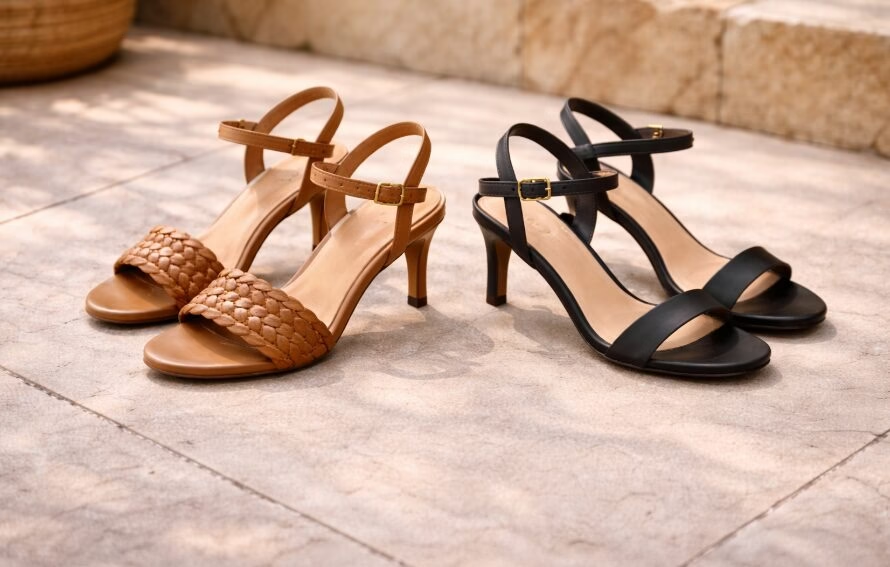
    Cream, oat, tan, cognac, espresso, and black are usually the strongest choices. These shades let the woven pattern stay visible while keeping the shoe versatile. Very bright colors can work, but they shift the mood from refined to playful. If the goal is “expensive-looking,” muted neutrals are safer.

    The materials that raise or lower the overall impression

    Matte leather, soft woven raffia, and clean synthetic blends with a dry finish tend to look better than overly shiny plastics. The best pairs have even braiding, clean edges, and discreet hardware. When the weave is irregular or loose, the shoe can look messy rather than elevated.

    Table 2. colors and materials that make braided sandals look more refined

    elementbest choicewhy it looks expensiveuse with caution
    colorcream, tan, espressosoft neutrals show texture and shadows clearlyvery neon shades
    finishmatte leather or soft woven raffiamatte surfaces feel calmer and richeroverly glossy synthetic shine
    weave scaletight and evenuniform spacing looks intentionalloose or uneven braiding
    hardwareminimal gold or tonalkeeps focus on texturelarge flashy buckles

     How to style woven heeled sandals for linen, denim, resort wear, and commuting

    style woven heeled sandals

    Linen and relaxed tailoring

    A tan or cream woven sandal works well with wide-leg linen pants, matching sets, shirt dresses, and unstructured blazers. Choose a mid block heel so the outfit feels polished but still easy.

    Denim and casual city looks

    With jeans, a woven sandal adds intention without making the outfit too formal. Straight denim, a clean tank, and a braided heel create a balanced look that feels current and photogenic.

    Resort styling and warm-weather travel

    For vacation dressing, softer woven uppers match printed skirts, halter dresses, and easy co-ords. They feel more natural than rigid occasion shoes and lighter than fully dressy stilettos.

    City commuting

    For work or urban walking, keep the heel stable and the palette darker. This keeps high heel sandals from feeling impractical and helps the woven texture read as smart rather than fragile.

    Table 3. outfit and occasion matrix for summer woven heels

    settingbest heel typebest colorstyling note
    linen outfitsmid block heeltan or creamkeeps the look airy and relaxed
    denim looksankle-strap heelcognac or blackadds polish without losing ease
    resort dressinglow sculpted heelnatural raffia tonesworks with movement and sunlit textures
    city commutingstable block heelespresso or blackreads practical and elevated

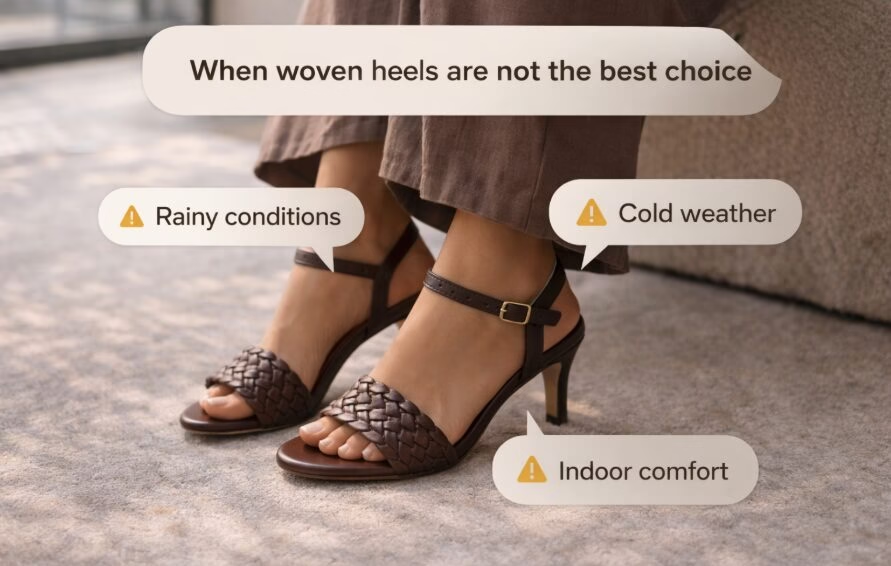
    When woven heels are not the best choice

    woven heels

    Situations where a smoother shoe works better

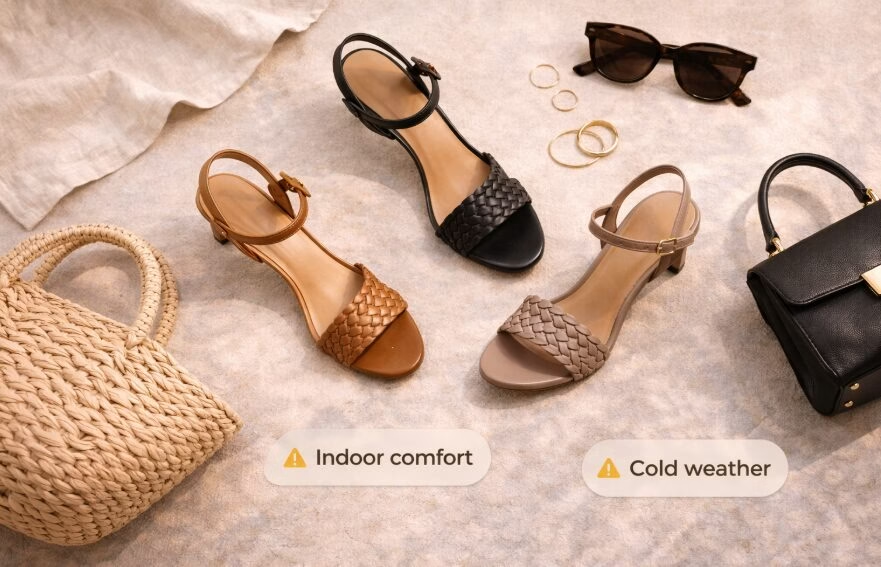
    Skip woven styles when you need a very formal minimalist shoe, when your outfit already has multiple competing textures, or when the setting may snag delicate braided material. Heavy rain, rough pavement, and high-contact commuting days can also shorten the life of lighter woven uppers.

    Signs a pair may look cheap instead of elevated

    Watch for very thin unstable heels, too much exposed glue, uneven braiding, sharp synthetic shine, and a toe shape that looks cramped. The expensive effect comes from restraint and finish, not from adding more details.

    The best heel height and shoe shape for everyday styling

    best heel height and shoe shape

    heel height that keeps the look balanced

    For most wardrobes, a low-to-mid heel is the sweet spot. Around 2 to 3 inches is often enough to elongate the leg while staying wearable. Very high stilettos can overpower the softness that makes braided summer sandals attractive in the first place.

    shapes that make woven styles easier to wear

    Block heels, slim flared heels, square toes, and supportive ankle straps usually offer the best balance. They keep woven heeled sandals modern and versatile rather than costume-like or overly delicate.

    For everyday styling, the right sandals should feel as effortless as they look. Discover heeled designs with balanced proportions, easy-to-match details, and comfort-minded appeal for daily summer dressing.

    FAQs about women’s heeled sandals

    1.do woven sandals always look more expensive than plain sandals?

    No. They usually look more premium only when the weave is even, the finish is clean, and the heel shape is balanced.

    2.can woven styles work as high heel sandals?

    Yes, but the higher the heel, the more important stability becomes. A sculpted or block heel often looks better than a very thin stiletto.

    3.are woven shoes good for commuting?

    They can be, especially in darker colors and mid-height heels. For long urban walking days, prioritize structure and durability over delicate braiding.

    4what outfits suit woven heels best?

    Linen sets, denim, vacation dresses, and relaxed tailoring are the easiest matches because they share the same easy summer texture story

  • Strappy White Heeled Sandals: How to Style Them Without Looking Too Bridal

    Strappy White Heeled Sandals: How to Style Them Without Looking Too Bridal

    Quick Answer

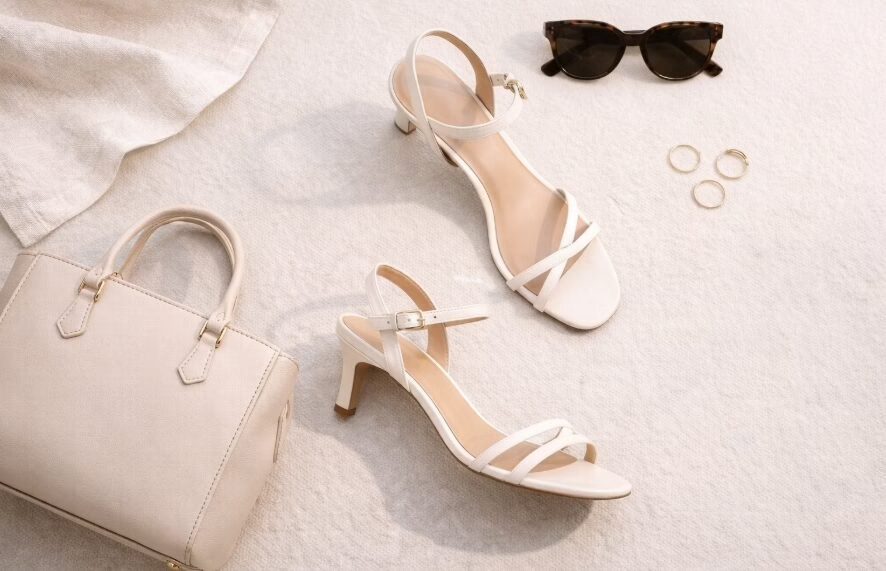
    White heeled sandals look chic rather than bridal when paired with relaxed tailoring, denim, contrast colors, and clean accessories. Choose balanced straps, moderate heel height, and modern silhouettes.

    Key Takeaways

    • Minimal straps make white sandals look sharper, but too little structure can feel formal or fragile.
    • Lower to mid heel heights are easier to style for everyday wear than very high stilettos.
    • Cream, black, denim blue, olive, and chocolate help white heels feel styled rather than bridal.
    • Block heels, slim platforms, and square toes often look more current than ultra-delicate wedding-style shapes.
    • For all-day wear, prioritize strap placement, forefoot width, and heel stability over appearance alone.

    Abstract:

    This guide explains how to wear white heeled sandals in a modern, non-bridal way by matching heel shape, strap design, outfit color, and occasion. For most day-to-night looks, minimalist strappy heeled sandals white feel lighter and more editorial, while platform white heel sandals create a bolder, more fashion-forward silhouette.

    Contents

    1. Why White Heeled Sandals Are So Photogenic This Year

    2. Strappy Heeled Sandals White vs Platform White Heel Sandals

    3. Best Colors and Occasions for Women’s Heeled Sandals

    4. How to Avoid a Bridal or Overly Formal Look

    5. Best Heel Heights and Shoe Shapes for Everyday Styling

    6. FAQ

    Why White Heeled Sandals Are So Photogenic This Year?

    White Heeled Sandals

    Clean contrast makes outfits look lighter

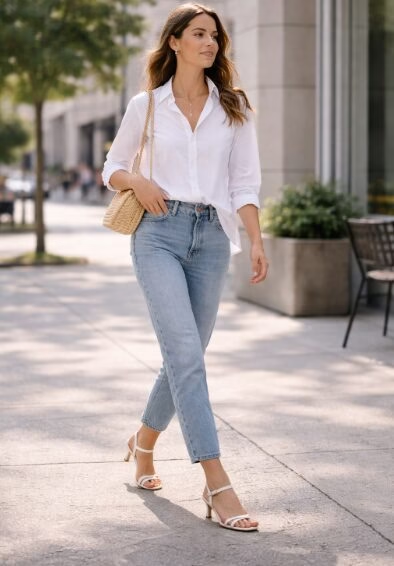
    The appeal of white heeled sandals is simple: they brighten the lower half of an outfit and create strong visual contrast in photos. Compared with darker shoes, white heels reflect more light, sharpen leg lines, and make warm-weather looks feel cleaner. That is why they work especially well with denim, linen, poplin shirts, and simple summer dresses.

    Styling success depends on shape, not color alone

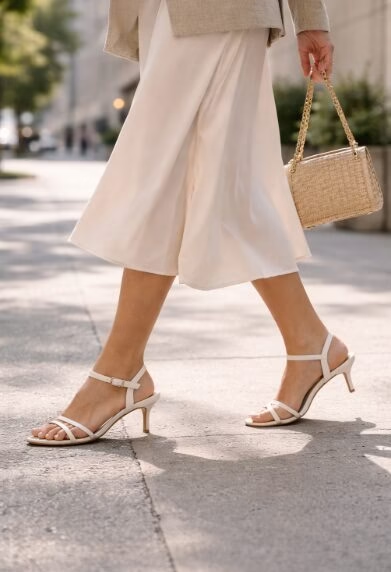
    Not every white heel looks fresh. Very glossy satin finishes, extremely thin ankle straps, and pointed formal shapes can push the look toward ceremony wear. More wearable heeled sandals often feature matte leather, square or softly rounded toes, and a slightly architectural heel. Those details make white shoes feel urban and styled instead of bridal.

    Strappy Heeled Sandals White vs Platform White Heel Sandals

    Strappy Heeled Sandals White vs Platform White Heel Sandals

    The core style difference

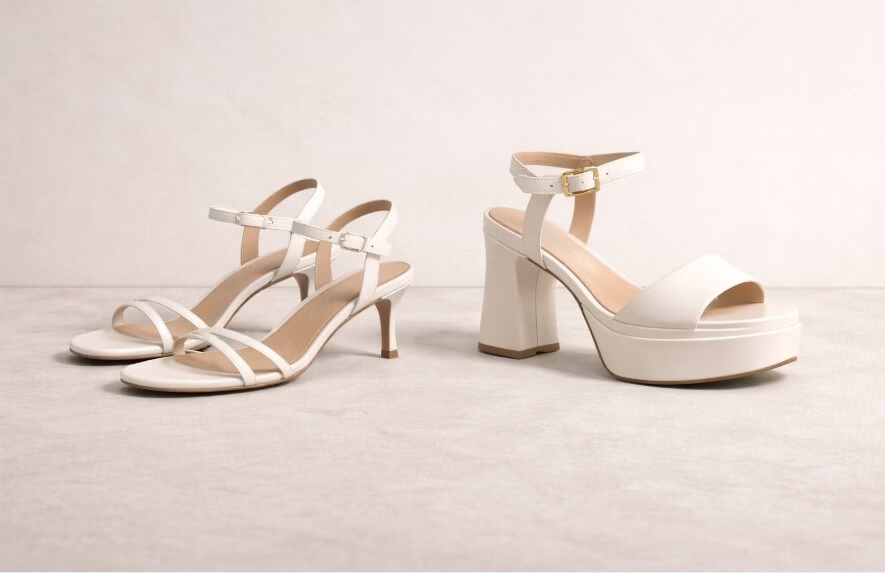
    If you want a sleek and minimal result, strappy heeled sandals white are usually the better choice. They look lighter, show more skin, and pair naturally with tailoring, jeans, midi skirts, and slip dresses. By contrast, platform white heel sandals feel more directional and dramatic. They add height with less foot angle, and they suit bold silhouettes such as wide-leg trousers, body-skimming knits, or retro-inspired party looks.

    Quick comparison table

    FeatureStrappy white heelsPlatform white heels
    Overall moodLight, minimal, sleekBold, directional, fashion-forward
    Best withTailoring, denim, slip skirtsWide-leg pants, fitted knits, party looks
    Bridal riskHigher if too delicateLower when shape feels substantial

    Best Colors and Occasions for Women’s Heeled Sandals

    Best Colors and Occasions for Women’s Heeled Sandals

    Best outfit colors for white heels

    The easiest way to style women’s heeled sandals is to create contrast. White works especially well with black, navy, faded blue denim, beige, taupe, olive, silver-gray, and chocolate brown. These shades ground the brightness of the shoe. Tonal white-on-white outfits can work too, but they need texture differences—such as rib knit, crisp cotton, or relaxed linen—to avoid looking like event dressing.

    Best occasions for different heel styles

    For brunch, city walking, or casual dinners, a mid-height strappy heel or block heel is the most versatile option. For rooftop events or parties, high heel sandals with a slightly thicker base can look elevated without feeling overly formal. For vacations, white heels work best when the upper is simple and the heel is stable enough for mixed surfaces.

    Occasion matrix

    ScenarioRecommended styleBest color pairingWhy it works
    Office dinnerMid-height strappy heelBlack, gray, navySharp but not too formal
    Weekend brunchBlock heel sandalDenim, beige, oliveRelaxed and wearable
    Vacation eveningLow platform heelChocolate, linen white, metallicsStable and polished
    Party or eventStatement high heelMonochrome black or jewel tonesHigh contrast, photo-friendly

    How to Avoid a Bridal or Overly Formal Look?

    Women’s Heeled Sandals

    Three common styling mistakes

    First, avoid pairing white heels with overly occasion fabrics from head to toe. Lace, satin, pearl-heavy accessories, and fitted ivory dresses can make even modern shoes read bridal. Second, do not combine delicate white stilettos with very polished handbags and formal hair for a daytime outfit. Third, be careful with shoes that have too few straps or a very narrow forefoot, because they often look more ceremonial than practical.

    What to wear instead

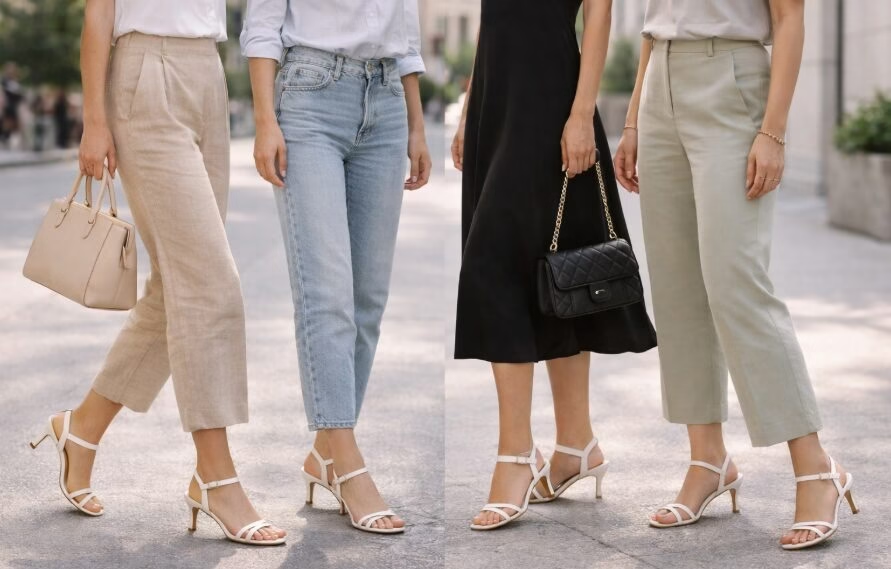
    To keep white heeled sandals relaxed, style them with straight-leg denim, oversized shirting, soft tailoring, knit dresses, utility skirts, or monochrome separates with a modern cut. Add hardware, sunglasses, or a structured bag in black, tan, or metallic finishes. The goal is visual balance: white shoes should be one bright element in a grounded outfit, not part of an all-occasion formula.

    Best Heel Heights and Shoe Shapes for Everyday Styling

    Best Heel Heights

    Ideal heel height for comfort and versatility

    For most users, the most versatile range is about 2 to 3 inches. This height gives enough lift to look polished but still works for longer wear. Very tall stilettos can be striking, yet they reduce versatility. When shoppers compare high heel sandals with more practical options, heel geometry matters as much as the number on the product page.

    Best shoe shapes to choose

    Square toes, slim block heels, sculpted kitten-style heels, and subtle platforms are often easier to integrate into everyday wardrobes. These shapes also help white shoes look current. If the sandal is extremely fine, glossy, and minimal, it may photograph beautifully but offer less styling range. The best-performing heeled sandals balance fashion value with visible support.

    Buyer checklist

    Before buying, check strap placement over the forefoot, ankle security, toe shape, heel width, and material finish. Matte or lightly polished leather is easier to style than highly reflective satin. In short, the best white heeled sandals are not just pretty—they are wearable across multiple outfits and occasions.

    FAQ

    1. Are white heels only for summer?

    No. They are strongest in spring and summer, but they also work in early fall with denim, tailoring, and darker neutrals.

    2.Do platform white heel sandals look less bridal?

    Often yes. A platform introduces weight and fashion contrast, which makes the shoe feel less delicate and more editorial.

    3.Are strappy heeled sandals white hard to style for daytime?

    Not if the outfit is relaxed. Pair them with denim, cotton shirts, knitwear, or simple separates rather than occasion fabrics.

    4,What is the safest first pair to buy?

    Choose a matte white sandal with a square toe, medium heel, and enough straps to hold the foot securely. That shape is easiest to style and easiest to wear.

  • Comfortable Low Heel Sandals vs Kitten Heel Sandals: Which Is Better for All-Day Summer Wear?

    Comfortable Low Heel Sandals vs Kitten Heel Sandals: Which Is Better for All-Day Summer Wear?

    Quick Answer

    For all-day summer wear, low heel sandals usually outperform kitten heel sandals because they offer steadier support, easier walking, and less fatigue, while kitten heels are better for polished, shorter outings.

    Low Heel Sandals vs Kitten Heel Sandals

    Key Takeaways

    • Low Heel Sandals are usually the better option for commuting, shopping, and travel.
    • Kitten Heel Sandals work best for dinners, office styling, and light social wear.
    • A broader heel base, secure straps, and a wider forefoot shape improve comfort more than a few extra millimeters of heel height.
    • Small heel sandals can still feel unstable if the heel is too thin or the front strap is too tight.
    • For 6+ hours of wear, choose structure first and style second.

    Abstract

    For long summer wear, the choice between low heel sandals and kitten heel sandals depends on stability, pressure distribution, and occasion. In most daily situations, comfortable low heel sandals provide better balance and easier walking, while kitten heels sandals create a dressier silhouette for shorter, lighter use. The best pair should match your foot shape, strap support, and expected wear time – not just the heel height shown online.

    Contents

    1.What is the difference between low heel sandals and kitten heel sandals?

    2.Where each style works best: commute, shopping, travel, and dinner

    3.How to choose by foot shape and wear time

    4.Common buying mistakes with women’s heeled sandals

    5.FAQ

    What is the difference between low heel sandals and kitten heel sandals?

    Low Heel Sandals and Kitten Heel Sandals

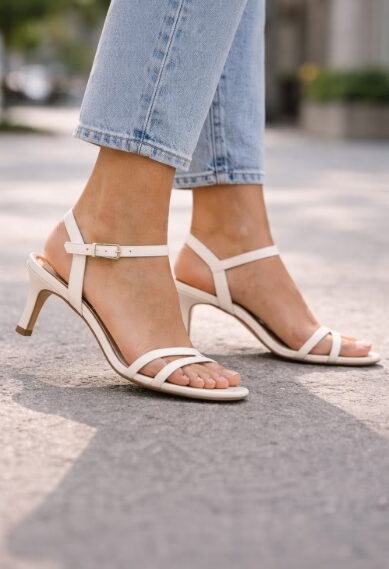
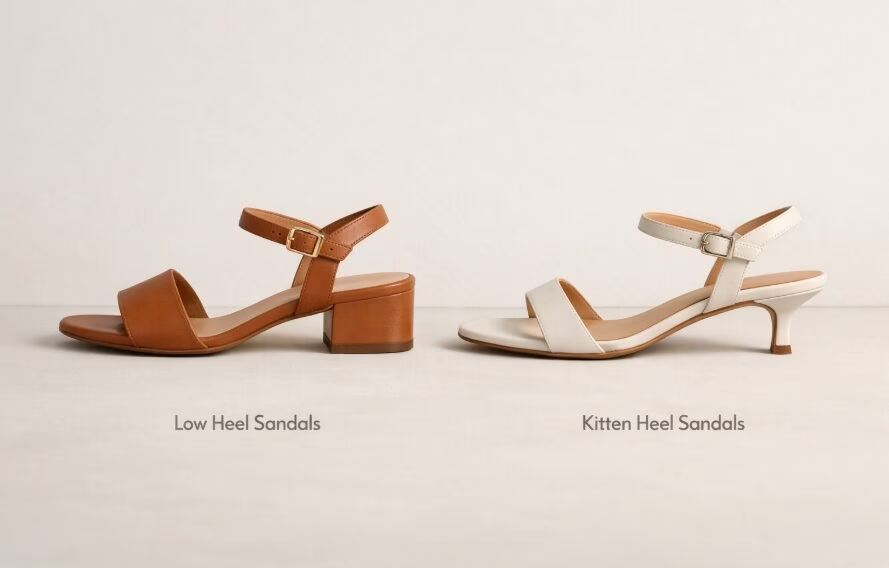
    The core difference is how the heel supports your body while walking. Low Heel Sandals typically have a lower, more stable heel shape that spreads weight more evenly across the foot. Kitten Heel Sandals, by contrast, use a slimmer and slightly elevated heel that looks refined but concentrates pressure more narrowly. In practical terms, that means comfortable low heel sandals are usually easier to wear all day, while tiny heel sandals are often chosen for style-first outfits.

    What counts as a low heel?

    In fashion retail, low heel sandals usually sit around 1 to 2 inches and often have a block, wedge, or wider sculpted base. The key feature is not only moderate height, but also better surface contact with the ground.

    What counts as a kitten heel?

    Kitten heel sandals are normally defined by a slim heel, often around 1.5 to 2 inches, designed to look elegant without reaching full high-heel height. They visually lengthen the leg, but the narrower heel can reduce stability on uneven summer surfaces.

    Comparison table: comfort and use-case snapshot

    FeatureLow Heel SandalsKitten Heel SandalsBest signal
    Typical structureLower and broader baseSlimmer heel profileStability vs elegance
    Walking comfortBetter for longer distancesBetter for short wearDaily movement
    Visual effectRelaxed and versatileDressier and sharperStyling priority
    All-day potentialUsually higherUsually moderateWear time
    Surface performanceBetter on pavement and travel daysLess ideal on grates or uneven pathsSummer terrain

    Where each style works best: commute, shopping, travel, and dinner

    low heel sandals

    If your summer schedule includes movement, transitions, and long standing periods, shoe context matters more than trend language. Below is the clearest way to match the shoe to the situation.

    Commuting and office days

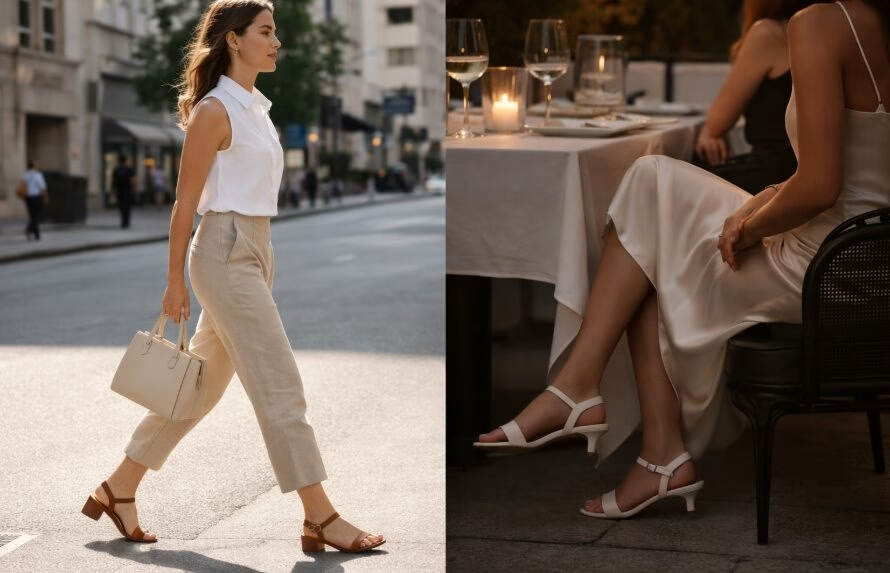
    For commuting, low heel sandals win in most cases. A wider heel and more secure upper help reduce wobble on stairs, sidewalks, and transit platforms. If your office dress code is polished, a refined block-heel sandal gives a similar finish to women’s heeled sandals without the fragility of a kitten heel.

    Shopping and city walking

    Shopping days favor comfortable low heel sandals because they support repeated stop-and-go walking. Even stylish small heel sandals can become tiring when the front strap presses into the forefoot or the heel lands too narrowly.

    Travel and sightseeing

    For travel, Low Heel Sandals are the stronger choice. Airports, cobblestones, and long museum routes demand stability. Kitten Heel Sandals can work as a packed second pair for dinner, but rarely as the primary sightseeing shoe.

    Dinner and summer events

    Dinner is where Kitten Heel Sandals shine. They look lighter, cleaner, and more elevated with dresses or tailored trousers. When wear time is short and walking is limited, the aesthetic payoff often outweighs the comfort tradeoff.

    Scenario guide: which pair is usually better?

    ScenarioBetter pickWhy
    CommuteLow Heel SandalsSteadier on stairs and during long standing periods.
    ShoppingLow Heel SandalsBetter for repeated walking and carrying weight.
    TravelLow Heel SandalsMore practical on mixed surfaces and long routes.
    DinnerKitten Heel SandalsDressier finish with lower visual bulk.

    How to choose by foot shape and wear time

    choose by foot shape and wear time

    Wide forefoot, bunions, or pressure-sensitive feet

    Choose low heel sandals with a wider toe shape, soft upper materials, and at least two secure straps. Avoid pairs where the front band narrows sharply, because that often creates rubbing long before the heel itself becomes a problem.

    Narrow feet or low-volume feet

    If your feet are narrow, kitten heel sandals may stay on more neatly – but only when the straps are adjustable. A slim heel without good upper hold still causes instability, especially if the insole is slick.

    Wearing them for 6+ hours

    For extended wear, prioritize heel base, arch support, forefoot width, and strap placement. This is why comfortable low heel sandals tend to outperform tiny heel sandals over time: the body works harder to stabilize a narrow heel with every step.

    Common buying mistakes with women’s heeled sandals

    Mistake 1: the heel is too thin

    A low heel is not automatically comfortable. Some small heel sandals have very narrow heel tips that feel unstable on summer pavement.

    Mistake 2: there are too few straps

    Minimal straps may look sleek, but they force your toes to grip while walking. That creates fatigue and friction faster than many shoppers expect.

    Mistake 3: the forefoot is too narrow

    A narrow toe area can make either style uncomfortable. Always judge the whole shoe shape, not just the label Low Heel Sandals or Kitten Heel Sandals.

    Looking for more wearable summer styles?

    Explore our heeled sandal collection for low heel, kitten heel, and other comfort-led designs made for all-day wear.

    FAQ

    1.Are kitten heel sandals good for walking?

    They are acceptable for short, light walking, but they are usually not the best choice for full-day wear or travel-heavy plans.

    2.Are low heel sandals more flattering?

    They can be. A clean vamp line and balanced proportions often look just as elegant as a kitten heel, especially in minimal summer styling.

    3.What heel shape is best for comfort?

    A broader heel base is usually the most forgiving because it improves balance and reduces side-to-side strain.

    4.Which style should I pack for a summer trip?

    Pack Low Heel Sandals as the main pair, then add Kitten Heel Sandals only if you want a dressier option for dinner or events.

    Final verdict

    For all-day summer wear, Low Heel Sandals are the more dependable choice. They support movement, suit more daily settings, and adapt better to real walking conditions. Kitten Heel Sandals remain a strong fashion option for shorter, dressier moments – but when comfort, mileage, and versatility matter, low heels usually win.

  • Heeled Sandals Trends 2026: 10 Styles Everyone Is Searching For

    Heeled Sandals Trends 2026: 10 Styles Everyone Is Searching For

    Quick Answer

    The biggest 2026 shifts in heeled sandals are clear: shoppers are moving toward lighter silhouettes, easier heel heights, and more versatile summer styling. The key directions include thong heels, heeled flip-flops, wedge shapes, and peep-toe or open-toe designs, with growing interest in customizable finishes and brand-led details.

    Key Takeaways

    • Thong heels and heeled flip-flops stand out as key summer directions.
    • Wedge shapes and wedge mules offer a practical balance of height and comfort.
    • Peep-toe and open-toe styles feel fresher and easier to wear than overly formal sandals.
    • Sansheng supports not only ready-made styles, but also custom development in design, materials, colors, logos, accessories, packaging, and small-batch production.

    Table of Contents

    1.Why 2026 heeled sandals feel different

    2.The 10 styles everyone is searching for

    3.How to choose the right sandal for real-life wear

    4.Why customization matters for modern sandal collections

    5.Final takeaway

    1.Why 2026 heeled sandals feel different

    modern heeled sandals

    The defining shift in 2026 is that sandal trends are becoming both more wearable and more adaptable. Shoppers are no longer looking only for statement evening shoes. Instead, they want styles that feel light, modern, and easy to wear across holidays, summer events, dinner looks, and day-to-night outfits. Sansheng’s sandal range already reflects this movement, covering commercial directions such as open-toe silhouettes, slides, and Closed heel sandals.

    This shift matters because a modern Women’s heeled sandals range now needs more than visual appeal. Buyers are paying closer attention to comfort, heel shape, versatility, and finish. That is why cleaner uppers, stable constructions, and easier heel heights are getting more attention than heavily decorated occasion shoes. A stronger Heels sandals collection today is one that can move naturally across different settings instead of serving only one use.

    2. The 10 styles everyone is searching for

    Women's heeled sandals

    The smartest 2026 assortment combines fashion relevance with real-life wearability. For brands, it also helps to build styles that can be adapted through color, trim, materials, and heel construction.

    StyleWhy it matters nowKeyword fit
    Thong heelsMinimal and directionalHeeled sandals, Sandals heels
    Heeled flip-flopsRelaxed but elevatedslide sandals with heels
    Wedge heeled sandalsHeight with stabilityWedge heel closed toe sandals
    Wedge mulesEasy day-to-night optionblock heel sandals platform
    Peep-toe sandalsSofter, more modern dressy lookHigh Heel Sandals
    Open-toe sandalsBest fit for summer versatilitysandals on heel
    Strappy heelsEssential for holiday and occasion wearStrappy high heel sandals, strappy heeled sandals white
    Low and kitten heelsBetter for longer wearLow heel sandals, Kitten heels sandals
    Closed heel sandalsMore secure and polishedblack sandal heel
    Woven and color-led sandalsAdd texture and freshnesswoven heeled sandals, heel sandals pink, heel sandals blue

    1) Thong heels

    Thong heels are one of the clearest style signals for 2026 because they feel sleek, light, and easy to style. They update the idea of summer heels in a way that looks modern without feeling too formal.

    Thong heels

    2) Heeled flip-flops

    Heeled flip-flops bring a more relaxed mood to dressier footwear. They work especially well for warm-weather collections because they feel lighter than traditional sandals while still looking elevated. This is also where slide sandals with heels become especially useful for brands developing a more effortless summer offer.

    Heeled flip-flops

    3) Wedge heeled sandals

    Wedge heeled sandals are returning because they provide more confidence underfoot than narrow stilettos. For brands, wedges also open up more development opportunities, from resort-ready options to more structured Wedge heel closed toe sandals.

    Wedge heeled sandals

    4) Wedge mules

    Wedge mules feel cleaner and more refined than bulkier retro wedge shapes. They suit shoppers who want a sharper fashion edge without giving up comfort, making them a strong day-to-night option.

    Wedge mules

    5) Peep-toe sandals

    Peep-toe sandals matter because they soften the look of dressy footwear. They work well in satin, suede, or clean leather finishes and help bridge the gap between formal and casual summer styling.

    Peep-toe sandals

    6) Open-toe high heel sandals

    Open-toe styles remain one of the strongest summer categories because they are naturally versatile. Sansheng’s assortment already includes embellished, metallic, bow-detailed, and strappy options, giving brands a strong foundation for a wider Women’s heeled sandals offer without making the range feel repetitive.

    Open-toe high heel sandals

    7) Strappy high heel sandals

    Strappy high heel sandals continue to matter because they work across occasionwear, holiday dressing, and evening styling. They also adapt easily into different expressions, from a refined neutral finish to strappy heeled sandals white for summer-led edits.

    Strappy high heel sandals

    8) Low heel and kitten heel sandals

    Lower heel options are becoming more relevant because comfort is now part of the buying decision. Low heel sandals and Kitten heels sandals offer a practical alternative for shoppers who want elegance without the pressure of a high, narrow heel. This is also where softer variations such as small heel sandals or tiny heel sandals feel especially wearable.

    Low heel and kitten heel sandals

    9) Closed heel sandals

    Closed heel sandals are ideal for customers who want a more secure fit and a more polished finish. They are especially useful for office, event, and transitional dressing, and they also translate well into darker or more classic color stories such as heeled sandals for women black.

    Closed heel sandals

    10) Woven and color-led sandals

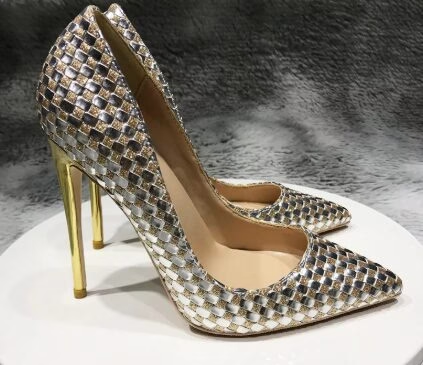
    Color and texture help a sandal range feel fuller without changing the core design. This is where shades such as nude, beige, brown, blue, pink, and metallic tones become commercially useful. Styles in Nude high heel sandals, Gold high heel sandals, or softer neutral finishes can speak to different markets while keeping the collection visually coherent.

    Woven and color-led sandals

    3. How to choose the right sandal for real-life wear

     How to choose the right sandal for real-life wear

    The best pair is the one that solves a real wardrobe need first. For long wear, shoppers usually respond better to wedges, lower heels, or comfortable low heel sandals than to very sharp evening constructions. For occasion dressing, strappy silhouettes, metallic finishes, and cleaner dress sandals are often the most versatile choices. For resort edits and summer travel, lighter open-toe designs and relaxed heeled shapes are easier to pack and easier to style.

    4. Why customization matters for modern sandal collections

    modern sandal collections

    Looking for trend-forward sandal styles for your next collection?

    Explore our heeled sandals for customizable designs, versatile summer silhouettes, and market-ready inspiration.

    Customization is one of the strongest practical advantages for brands building a better sandal assortment. Sansheng presents itself as a one-stop high heel partner offering custom design, R&D, color and material development, logo application, packaging, flexible production, and small-batch support. That makes it easier for a brand to turn a trend direction into a more distinctive product line instead of relying only on standard ready-made styles.

    For example, one core silhouette can be adapted into a darker evening option, a softer neutral version, or a cleaner summer style simply by changing tone, trim, and finish. A strappy style may evolve into a metallic occasion sandal, a softer white seasonal design, or a more relaxed slide construction depending on the target market. This flexibility makes a collection easier to refine, easier to test, and easier to align with seasonal demand.

    5.Final takeaway

    comfortable low heel sandals

    The strongest 2026 sandal direction is not just about dressier footwear, but about smarter footwear. The most relevant styles are those that feel lighter, easier to wear, and easier to personalize, especially across thong heel, wedge, peep-toe, open-toe, and strappy formats. For brands, the opportunity lies not only in following the trend, but in using customization to shape that trend into a more distinctive and wearable collection.

  • Retro High Heels in 2026: High-Vamp, Square-Toe and 90s-Inspired Styles

    Retro High Heels in 2026: High-Vamp, Square-Toe and 90s-Inspired Styles

    Quick Answer

    Retro High Heels are back in 2026 because fashion is moving toward nostalgic but wearable silhouettes: high-vamp heels feel more secure and polished, square-toe pumps add a sharper modern line, and 90s heels balance minimalism with personality. For brands and shoppers, the most relevant direction is not costume-like vintage styling, but updated retro heels that feel current, versatile, and easier to integrate into everyday wardrobes. Current fashion coverage from Vogue, InStyle, Who What Wear, and Pinterest’s annual trend forecasting all point to nostalgia-driven footwear and refined vintage-inspired shapes as meaningful signals rather than one-season noise.

    Key Takeaways

    Nostalgia, wearability, silhouette clarity, foot coverage, square toes, low-key glamour, 90s minimalism, styling versatility, sharper pumps, vintage cues, modern merchandising, capsule dressing, trend longevity, comfort perception, editorial relevance, commercial adaptability.

    Abstract

    This article explains why Retro High Heels are gaining momentum in 2026, what defines the most commercially important sub-styles, and how brands and consumers can wear them in a modern way. It focuses on three trend drivers: vintage high heels, high-vamp heels, and square-toe pumps, with practical guidance on styling, merchandising, and seasonal collection planning. It also answers common shopper questions such as whether retro heels are still in style, who should wear square toes, and how to make 90s heels look contemporary instead of dated.

    Table of Contents

    Why Retro High Heels Are Back in 2026

    What Defines a Modern Retro Heel?

    -High-Vamp Heels

    -Square-Toe Pumps

    -90s Heels

    Why These Shapes Work for Modern Wardrobes?

    How to Style Vintage High Heels Without Looking Costume-Like?

    -Daywear

    -Office and smart casual

    -Evening and event dressing

    A Buyer’s Guide to Choosing the Right Retro High Heels

    Final Thoughts

    FAQ About Retro High Heels

    Why Retro High Heels Are Back in 2026

    Retro High Heels

    The return of Retro High Heels is not only about nostalgia. It is also about proportion, practicality, and visual distinction. Recent fashion coverage has highlighted the comeback of multiple 90s heels silhouettes, especially square-toed pumps, mules, and low-key vintage-inspired styles that feel refined rather than flashy. Vogue’s 2026 trend reporting specifically points to the renewed relevance of ’90s heels, including square-toe pumps, while InStyle has called out the rise of snug, foot-hugging high-vamp heels as a key spring direction.

    There is also a broader trend logic behind this shift. Pinterest Predicts continues to frame nostalgia-led style movements as commercially meaningful early signals, and Lyst describes its trend index as being informed by a very large global fashion-shopping dataset, which helps explain why revived archival and throwback shapes keep reappearing in both editorial and retail. In other words, vintage high heels are returning because consumers want shoes that look distinctive in content, lookbooks, and everyday styling, while still feeling wearable.

    Trend Signal Snapshot

    Trend signal What it suggests for this topic

    Trend signalWhat it suggests for this topic
    Vogue’s 2026 coverage of returning 90s heelsNostalgic heel silhouettes are editorially relevant
    InStyle coverage of high-vamp heelsMore foot coverage is being framed as chic and wearable
    Who What Wear focus on modern pump variationsClassic pump families are evolving, not disappearing
    Pinterest Predicts annual forecastingRetro-coded aesthetics have mainstream traction potential

    The pattern across these sources is consistent: retro footwear is being updated through cleaner lines, softer minimalism, and more versatile heel profiles rather than theatrical “vintage costume” styling.

    What Defines a Modern Retro Heel?

     What Defines a Modern Retro Heel

    A modern retro heel usually combines one recognizable heritage feature with one contemporary styling decision. That might mean a higher vamp with a sleek finish, a square toe with a minimal upper, or a vintage high heels mood translated into a cleaner, more wearable pump.

    High-Vamp Heels

    High-vamp heels cover more of the top of the foot, creating a secure and polished line. This silhouette reads elegant, slightly intellectual, and more directional than a basic low-cut pump. Editorial coverage in 2026 has repeatedly emphasized that high-vamp shapes feel both fashionable and practical, which is one reason they are resonating now.

    From merchandising perspective, high-vamp heels also perform well because the term captures a very specific user intent: shoppers are not just browsing “heels,” they are searching for a particular cut, fit, and aesthetic.

    Square-Toe Pumps

    Square-toe pumps are one of the clearest visual shortcuts to a retro mood. Footwear trend coverage has repeatedly linked square toes to the 1990s comeback cycle, but current versions look sharper and more refined than old-school novelty pairs. Today, square toes are often styled with minimalist tailoring, denim, or column dresses rather than overtly vintage outfits.

    For content strategy, this keyword is especially valuable because it bridges fashion-editorial language with product-search language. It attracts both inspiration-driven readers and conversion-oriented shoppers.

    90s Heels

    90s heels remain one of the strongest cultural anchors in footwear content. What makes them attractive in 2026 is their balance: they are more expressive than a plain basic heel, but less formal than classic occasion footwear. The strongest sub-directions include slim strappy shapes, sculptural pumps, square toes, and understated retro finishes. Vogue and Footwear News both connect the square toe and other revived heel categories to this broader ’90s return.

    Why These Shapes Work for Modern Wardrobes?

     best Retro High Heels

    The best Retro High Heels work because they solve three modern wardrobe needs at once: visual freshness, styling flexibility, and easier day-to-night wear.

    First, they photograph well. In a market shaped by AI overviews, image search, short-form video, and social discovery, shoes need an immediately readable identity. A square-toe pump or high-vamp heel is recognizable at a glance.

    Second, they layer well with real wardrobes. A retro heel can sharpen jeans, soften tailoring, or add depth to a minimal monochrome outfit. That is why these styles keep appearing in trend coverage tied to current wardrobes rather than only runway nostalgia.

    Third, they feel more wearable. Many consumers like the idea of heels but are moving away from extreme discomfort. Editorial coverage around newer pump directions repeatedly emphasizes walkability, support, or at least the perception of more secure wear. That helps explain why high-vamp heels and lower, balanced retro profiles feel especially relevant now.

    How to Style Vintage High Heels Without Looking Costume-Like

     Style Vintage High Heels

    The most common Google-style question around this trend is simple: how do you wear vintage high heels so they look current? The answer is contrast.

    Daywear

    Pair Retro High Heels with relaxed denim, a clean knit, or an oversized shirt. Let the shoe carry the vintage cue while the rest of the outfit stays streamlined. A square toe works particularly well here because it adds shape without making the outfit feel overdone.

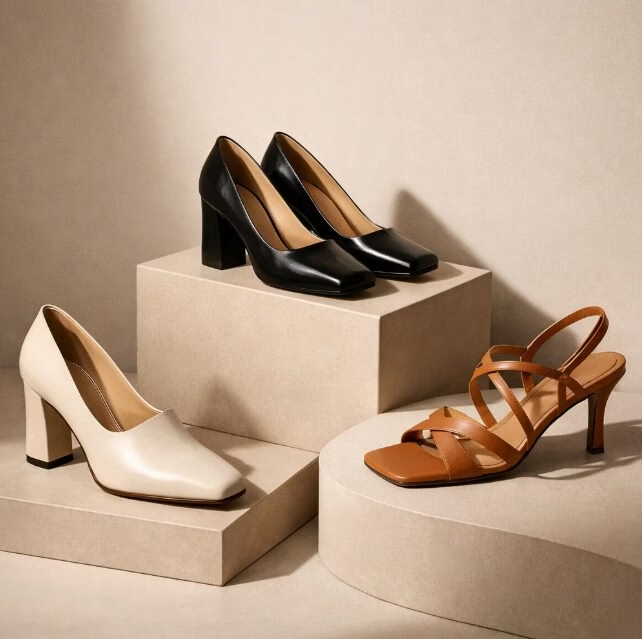
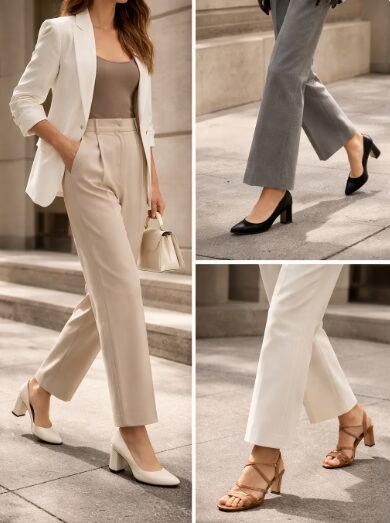
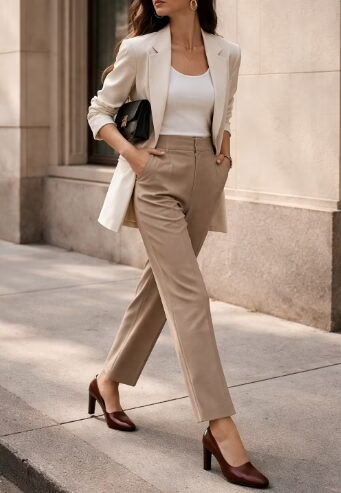
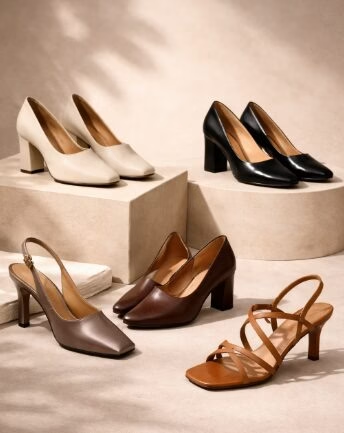
    Office and smart casual

    For workwear, choose high-vamp heels or polished square-toe pumps in black, espresso, burgundy, or cream. Combine them with straight-leg trousers, midi skirts, or a softly structured blazer. The result feels smart and directional rather than trendy for trend’s sake.

    Evening and event dressing

    For evening, 90s heels are strongest when they stay minimal: think slip dresses, clean hemlines, satin textures, and jewelry with restraint. A retro heel looks more expensive when the styling is edited.

    Style Matrix

    OccasionBest retro silhouetteWhy it works
    Casual daywearSquare-toe pumpsAdds structure to denim and basics
    Office / smart casualHigh-vamp heelsLooks polished and secure
    Evening90s heelsFeels sleek, minimal, and dressy
    Fashion-forward stylingVintage high heels with modern outfitCreates contrast and individuality

    A Buyer’s Guide to Choosing the Right Retro High Heels

    A Buyer’s Guide to Choosing the Right Retro High Heels

    When choosing Retro High Heels, start with silhouette before decoration.

    If the goal is versatility, go for square-toe pumps in smooth leather or patent with minimal hardware. If the goal is elevated everyday wear, high-vamp heels are often the better option because they feel more supportive visually and physically. If the goal is trend relevance, a restrained 90s heels profile is the safest buy because it aligns with both editorial momentum and practical styling.

    Shoppers also commonly ask: are retro heels flattering? Usually yes, but the best choice depends on foot shape and wardrobe. Square toes can feel more balanced with wider-leg pants and clean hemlines, while high-vamp cuts often create a smoother line under tailored clothing.

    Final Thoughts

    Retro High Heels in 2026

    The appeal of Retro High Heels in 2026 comes down to a simple formula: nostalgia plus clarity plus wearability. The strongest versions are not overly theatrical. They are refined, specific, and easy to integrate into modern wardrobes. That is why high-vamp heels, square-toe pumps, and selective 90s heels are outperforming noisier trend pieces in both editorial conversation and practical styling value. Supported by current fashion reporting and trend forecasting, this category has both style credibility and commercial potential.

    FAQ About Retro High Heels

    1.Are Retro High Heels in style in 2026?

    Yes. Current editorial coverage strongly supports the return of 90s heels, retro pumps, and updated vintage-inspired shoe shapes.

    2.What is the difference between vintage high heels and modern retro heels?

    Vintage high heels usually refer to original or heritage-inspired styles, while modern retro heels reinterpret those cues with updated proportions, materials, and wearability.

    3.Are square-toe pumps still fashionable?

    Yes. Square toes remain one of the clearest continuing retro signals in contemporary footwear and are still being highlighted by fashion editors and luxury brands.

    4.Why are high-vamp heels popular now?

    Because they combine coverage, elegance, and a more fashion-forward shape than a standard pump. Recent style coverage also frames them as more comfortable-looking and easier to wear.

    5.How do I make 90s heels look modern?

    Keep the outfit simple. Use one retro signal at a time, choose clean fabrics, and avoid layering too many vintage-coded pieces together.