The biggest 2026 shifts in heeled sandals are clear: shoppers are moving toward lighter silhouettes, easier heel heights, and more versatile summer styling.
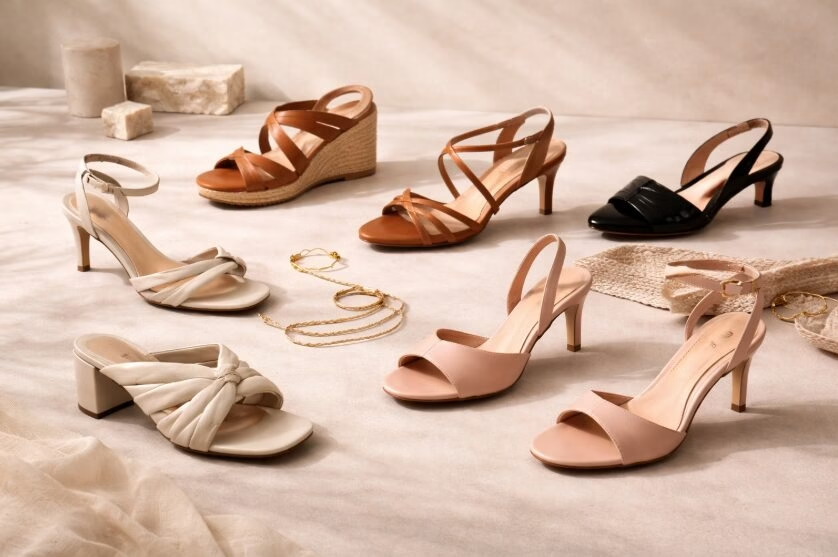

The biggest 2026 shifts in heeled sandals are clear: shoppers are moving toward lighter silhouettes, easier heel heights, and more versatile summer styling.
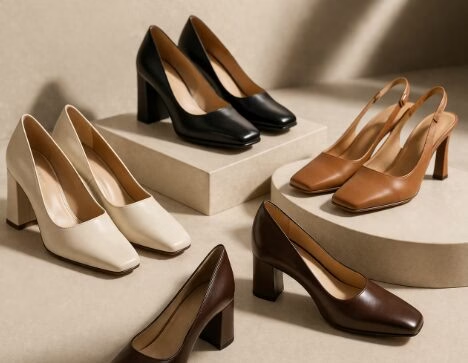
Quick Answer Retro High Heels are back in 2026 because fashion is moving toward nostalgic but wearable silhouettes: high-vamp heels feel more secure and polished, square-toe pumps add a sharper modern line, and 90s heels balance minimalism with personality. For brands and shoppers, the most relevant direction is not costume-like vintage styling, but updated retro heels that feel current, versatile, and easier to integrate into everyday wardrobes. Current fashion coverage from Vogue, InStyle, Who What Wear, and Pinterest’s annual trend forecasting all point to nostalgia-driven footwear and refined vintage-inspired shapes as meaningful signals rather than one-season noise. Key Takeaways Nostalgia, wearability, silhouette clarity, foot coverage, square toes, low-key glamour, 90s minimalism, styling versatility, sharper pumps, vintage cues, modern merchandising, capsule dressing, trend longevity, comfort perception, editorial relevance, commercial adaptability. Abstract This article explains why Retro High Heels are gaining momentum in 2026, what defines the most commercially important sub-styles, and how brands and consumers can wear them in a modern way. It focuses on three trend drivers: vintage high heels, high-vamp heels, and square-toe pumps, with practical guidance on styling, merchandising, and seasonal collection planning. It also answers common shopper questions such as whether retro heels are still in style, who should wear square toes, and how to make 90s heels look contemporary instead of dated. Table of Contents Why Retro High Heels Are Back in 2026 What Defines a Modern Retro Heel? -High-Vamp Heels -Square-Toe Pumps -90s Heels Why These Shapes Work for Modern Wardrobes? How to Style Vintage High Heels Without Looking Costume-Like? -Daywear -Office and smart casual -Evening and event dressing A Buyer’s Guide to Choosing the Right Retro High Heels Final Thoughts FAQ About Retro High Heels Why Retro High Heels Are Back in 2026 The return of Retro High Heels is not only about nostalgia. It is also about proportion, practicality, and visual distinction. Recent fashion coverage has highlighted the comeback of multiple 90s heels silhouettes, especially square-toed pumps, mules, and low-key vintage-inspired styles that feel refined rather than flashy. Vogue’s 2026 trend reporting specifically points to the renewed relevance of ’90s heels, including square-toe pumps, while InStyle has called out the rise of snug, foot-hugging high-vamp heels as a key spring direction. There is also a broader trend logic behind this shift. Pinterest Predicts continues to frame nostalgia-led style movements as commercially meaningful early signals, and Lyst describes its trend index as being informed by a very large global fashion-shopping dataset, which helps explain why revived archival and throwback shapes keep reappearing in both editorial and retail. In other words, vintage high heels are returning because consumers want shoes that look distinctive in content, lookbooks, and everyday styling, while still feeling wearable. Trend Signal Snapshot Trend signal What it suggests for this topic Trend signal What it suggests for this topic Vogue’s 2026 coverage of returning 90s heels Nostalgic heel silhouettes are editorially relevant InStyle coverage of high-vamp heels More foot coverage is being framed as chic and wearable Who What Wear focus on modern pump variations Classic pump families are evolving, not disappearing Pinterest Predicts annual forecasting Retro-coded aesthetics have mainstream traction potential The pattern across these sources is consistent: retro footwear is being updated through cleaner lines, softer minimalism, and more versatile heel profiles rather than theatrical “vintage costume” styling. What Defines a Modern Retro Heel? A modern retro heel usually combines one recognizable heritage feature with one contemporary styling decision. That might mean a higher vamp with a sleek finish, a square toe with a minimal upper, or a vintage high heels mood translated into a cleaner, more wearable pump. High-Vamp Heels High-vamp heels cover more of the top of the foot, creating a secure and polished line. This silhouette reads elegant, slightly intellectual, and more directional than a basic low-cut pump. Editorial coverage in 2026 has repeatedly emphasized that high-vamp shapes feel both fashionable and practical, which is one reason they are resonating now. From merchandising perspective, high-vamp heels also perform well because the term captures a very specific user intent: shoppers are not just browsing “heels,” they are searching for a particular cut, fit, and aesthetic. Square-Toe Pumps Square-toe pumps are one of the clearest visual shortcuts to a retro mood. Footwear trend coverage has repeatedly linked square toes to the 1990s comeback cycle, but current versions look sharper and more refined than old-school novelty pairs. Today, square toes are often styled with minimalist tailoring, denim, or column dresses rather than overtly vintage outfits. For content strategy, this keyword is especially valuable because it bridges fashion-editorial language with product-search language. It attracts both inspiration-driven readers and conversion-oriented shoppers. 90s Heels 90s heels remain one of the strongest cultural anchors in footwear content. What makes them attractive in 2026 is their balance: they are more expressive than a plain basic heel, but less formal than classic occasion footwear. The strongest sub-directions include slim strappy shapes, sculptural pumps, square toes, and understated retro finishes. Vogue and Footwear News both connect the square toe and other revived heel categories to this broader ’90s return. Why These Shapes Work for Modern Wardrobes? The best Retro High Heels work because they solve three modern wardrobe needs at once: visual freshness, styling flexibility, and easier day-to-night wear. First, they photograph well. In a market shaped by AI overviews, image search, short-form video, and social discovery, shoes need an immediately readable identity. A square-toe pump or high-vamp heel is recognizable at a glance. Second, they layer well with real wardrobes. A retro heel can sharpen jeans, soften tailoring, or add depth to a minimal monochrome outfit. That is why these styles keep appearing in trend coverage tied to current wardrobes rather than only runway nostalgia. Third, they feel more wearable. Many consumers like the idea of heels but are moving away from extreme discomfort. Editorial coverage around newer pump directions repeatedly emphasizes walkability, support, or at least the perception of more secure wear. That helps explain why high-vamp heels and lower, balanced retro profiles feel especially relevant now. How to Style Vintage High Heels Without Looking Costume-Like The most common Google-style question around this trend is simple: how do you wear vintage high heels so they look current? The answer is contrast. Daywear Pair Retro High Heels with relaxed denim, a clean knit, or an oversized shirt. Let the shoe carry the vintage cue while the rest of the outfit stays streamlined. A square toe works particularly well here because it adds shape without making the outfit feel overdone. Office and smart casual For workwear, choose high-vamp heels or polished square-toe pumps in black, espresso, burgundy, or cream. Combine them with straight-leg trousers, midi skirts, or a softly structured blazer. The result feels smart and directional rather than trendy for trend’s sake. Evening and event dressing For evening, 90s heels are strongest when they stay minimal: think slip dresses, clean hemlines, satin textures, and jewelry with restraint. A retro heel looks more expensive when the styling is edited. Style Matrix Occasion Best retro silhouette Why it works Casual daywear Square-toe pumps Adds structure to denim and basics Office / smart casual High-vamp heels Looks polished and secure Evening 90s heels Feels sleek, minimal, and dressy Fashion-forward styling Vintage high heels with modern outfit Creates contrast and individuality A Buyer’s Guide to Choosing the Right Retro High Heels When choosing Retro High Heels, start with silhouette before decoration. If the goal is versatility, go for square-toe pumps in smooth leather or patent with minimal hardware. If the goal is elevated everyday wear, high-vamp heels are often the better option because they feel more supportive visually and physically. If the goal is trend relevance, a restrained 90s heels profile is the safest buy because it aligns with both editorial momentum and practical styling. Shoppers also commonly ask: are retro heels flattering? Usually yes, but the best choice depends on foot shape and wardrobe. Square toes can feel more balanced with wider-leg pants and clean hemlines, while high-vamp cuts often create a smoother line under tailored clothing. Final Thoughts The appeal of Retro High Heels in 2026 comes down to a simple formula: nostalgia plus clarity plus wearability. The strongest versions are not overly theatrical. They are refined, specific, and easy to integrate into modern wardrobes. That is why high-vamp heels, square-toe pumps, and selective 90s heels are outperforming noisier trend pieces in both editorial conversation and practical styling value. Supported by current fashion reporting and trend forecasting, this category has both style credibility and commercial potential. FAQ About Retro High Heels 1.Are Retro High Heels in style in 2026? Yes. Current editorial coverage strongly supports the return of 90s heels, retro pumps, and updated vintage-inspired shoe shapes. 2.What is the difference between vintage high heels and modern retro heels? Vintage high heels usually refer to original or heritage-inspired styles, while modern retro heels reinterpret those cues with updated proportions, materials, and wearability. 3.Are square-toe pumps still fashionable? Yes. Square toes remain one of […]
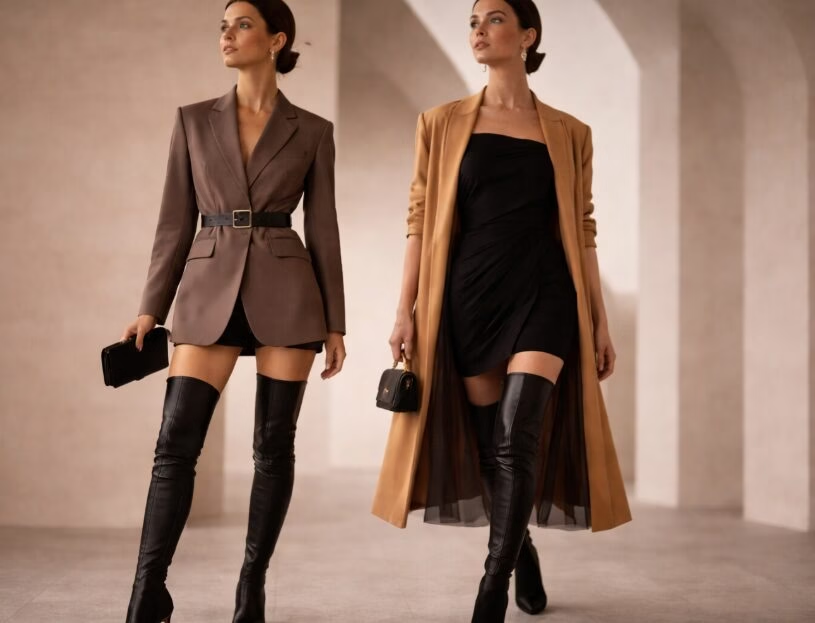
Summary Thigh-High Heels are one of the few footwear styles that can look polished, dramatic, and directional at the same time. In current fashion coverage, over-the-knee and thigh-high silhouettes are repeatedly styled with sweater dresses, tailored outerwear, draped dresses, miniskirts, and sleek evening pieces rather than only ultra-revealing looks. Vogue notes that recent runway and street-style takes lean toward refined layering and tailored balance, while Harper’s Bazaar and InStyle both frame the style as surprisingly versatile when paired with clean proportions and modern separates. This guide explains what thigh high heels are, who they suit best, and how to style thigh high heel boots for evening, party, and editorial dressing. It also answers common shopper questions such as whether thigh-high heels are flattering, what to wear with them, and how to keep them looking elegant rather than overdone. The goal is simple: build outfits that feel intentional, modern, and wearable. Table of Contents What Are Thigh High Heels and Who Are They Best For Evening Outfit Ideas with Thigh High Heel Boots Party Styling Tips: How to Make Statement Heels Work Editorial and Fashion-Forward Ways to Wear Thigh-High Heels Common Questions About Thigh-High Heels Final Thoughts What Are Thigh High Heels and Who Are They Best For Thigh-High Heels are heeled boots or shoe-boot hybrids that extend above the knee and often reach mid-thigh. In fashion media, they are frequently grouped with over-the-knee boots, though thigh-high versions usually create a stronger leg-lengthening effect and a more dramatic silhouette. Recent coverage from Vogue, Harper’s Bazaar, and InStyle shows that the style now appears across suede, leather, slouchy, fitted, and glove-like constructions, with styling that ranges from understated to runway-driven. Why thigh high heels still feel current The reason thigh high heels keep returning is simple: they combine coverage with impact. Vogue’s recent trend coverage highlights thigh-high and over-the-knee boots as a major seasonal boot direction, while styling examples consistently pair them with trench coats, draped dresses, sweater dressing, and tailored pieces rather than relying on a single “sexy” formula. Who they are best for Thigh high heel boots work especially well for people who want one of three effects: They are especially flattering when the boot shaft fits smoothly, the hemline is intentional, and the rest of the outfit is clean rather than crowded. Fashion editors repeatedly style them with oversized blazers, sweater dresses, mini lengths, or long coats—combinations that create balance between structure and drama. Key factors before styling Styling factor What to look for Why it matters Shaft fit Snug but not strained A smoother line looks more polished Heel type Stiletto, tapered, or block Changes comfort and mood Material Suede, leather, stretch fabric Affects how dressy or editorial the boot feels Hemline pairing Mini, midi slit, long coat Creates proportion and visual balance Color Black, espresso, burgundy, taupe Neutral shades are easiest to style A fitted black or dark brown pair is usually the most versatile first purchase, while burgundy, cream, or textured finishes feel more fashion-forward. Recent editorials also show color and richer neutrals gaining space alongside classic black. Bazaar: https://www.harpersbazaar.com/fashion/trends/a62754118/how-to-style-over-the-knee-boots-outfits Evening Outfit Ideas with Thigh High Heel Boots For evening dressing, the easiest way to style thigh high heel boots is to let them replace traditional heels while keeping the outfit sleek and controlled. Look 1: Sweater dress + fitted thigh-high boots This is one of the most wearable combinations and appears often in both Vogue and Harper’s Bazaar styling coverage. A slim or softly oversized sweater dress paired with fitted thigh high heels creates a long, uninterrupted vertical line. Add a structured coat, minimal jewelry, and a compact clutch for a clean evening finish. Best for: Look 2: Midi dress with slit + statement boots If you want a more refined evening outfit, pair a midi dress with a front or side slit and heeled thigh-high boots. InStyle’s styling examples often use dresses to soften tall boots, and Vogue’s recent editorial framing supports the idea of letting a glimpse of boot appear through movement rather than showing everything at once. This formula works because it feels elegant first and bold second. Look 3: Tailored blazer dress + statement heels A blazer dress or tuxedo-inspired mini is a sharp option when you want the boots to feel more directional. Keep accessories restrained and choose one focal point—either the boots or the jewelry, not both. This is where statement heels work best: against a clean, structured silhouette. Evening outfit matrix Evening occasion Best outfit pairing Boot finish Dinner or cocktails Knit dress + coat Suede or matte leather Formal party Midi slit dress Smooth leather Fashion event Blazer dress Glossy or sharply structured finish Date night Mini dress + longline coat Stretch or fitted shaft A useful rule is to keep one element soft and one element sharp. If the boots are dramatic, the dress should usually be simpler. Party Styling Tips: How to Make Statement Heels Work Party styling is where statement heels can easily go right—or wrong. The difference is usually proportion. Keep the outfit anchored The most polished party outfits with thigh high heels usually include one grounding piece: Who What Wear repeatedly shows thigh-high boots styled with oversized tops, sweater-vest layers, leather blazers, and mini silhouettes, which helps the outfit look styled rather than costume-like. Choose one spotlight detail When working with party styling, decide where the attention goes: Do not combine all four. A party outfit reads as expensive when it is edited. Best party formulas Among these, the monochrome option is often the most reliable. It creates length, helps the boots blend into the outfit, and makes even a dramatic heel feel more refined. What makes thigh-high heels look elegant at a party Do Avoid Use one strong silhouette Competing cutouts and heavy accessories Keep the color palette focused Too many trend details in one look Add structure with tailoring Overly tight pieces from head to toe Let the boots lead Forcing every item to be “sexy” This approach aligns with how recent editorial and street-style fashion coverage treats thigh-high boots: bold, yes, but balanced by tailoring, drape, or restraint. Editorial and Fashion-Forward Ways to Wear Thigh-High Heels Editorial styling works when Thigh-High Heels are part of a fashion story, not just an outfit formula. Use contrast, not repetition One of the strongest editorial tricks is contrast: Vogue’s recent styling examples specifically point toward draped dresses, long coats, and directional layering as modern ways to wear over-the-knee and thigh-high silhouettes. Think in proportions Editorial dressing is less about showing more and more about controlling silhouette. Try these proportion formulas: Editorial effect Outfit formula Long and lean Column dress + fitted boots + long coat Sharp and modern Oversized blazer + bare leg or tights + boots Soft contrast Flowy mini or tunic + structured thigh-highs Runway-inspired Sheer layer + sleek underlayer + bold boots InStyle also highlights tunics, floral minis, and color-pop styling as ways to make tall boots feel fresher and less predictable. Color and texture choices that feel fashion-forward Black remains the most versatile, but current styling coverage also supports espresso, burgundy, cream, python-effect finishes, and suede textures. These tones feel richer and more editorial than basic high-contrast combinations. How to make editorial styling wearable To translate editorial looks into real life: The result should feel intentional, not theatrical. Final Thoughts The best way to style Thigh-High Heels is to treat them as a statement foundation rather than an extra trend detail. For evening, pair them with clean dresses and elegant layers. For parties, use contrast and restraint so the boots stay sharp. For editorial looks, work with proportion, texture, and a controlled sense of drama. A strong pair of thigh high heel boots does not need an overcomplicated outfit. Most of the time, the most modern styling comes from three things: a clean silhouette, a balanced hemline, and enough confidence to let the boots do the talking. Common Questions About Thigh-High Heels Are thigh high heels flattering? Yes, when proportion is right. They can visually lengthen the leg, especially when the boot color works smoothly with the outfit or hosiery. Clean lines and fitted shafts usually look more polished than bunching or excessive gaps. What should I wear with thigh high heel boots? The most reliable pairings are sweater dresses, mini hemlines balanced by coats or blazers, midi dresses with slits, and tailored separates. These combinations appear repeatedly across current fashion editorials and styling roundups. How do I make statement heels look chic, not too much? Choose one focal point. If the boots are glossy, embellished, or sharply high, keep the rest of the outfit toned down. Strong styling usually comes from editing, not adding. Can I wear thigh-high heels for evening instead of pumps? Absolutely. In many outfits, they function as the main evening shoe while also adding shape, coverage, and impact. This is especially effective in colder seasons or when you want a more fashion-led finish. Are thigh-high boots only for parties? No. Current styling coverage shows them worn with tailoring, knits, day dresses, and coats, which makes them suitable for evening events, fashion occasions, dinners, and editorial-inspired day looks as well.
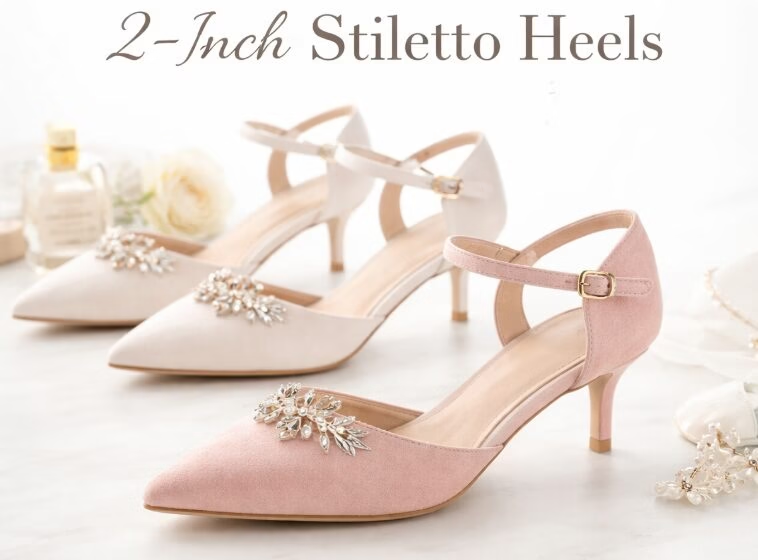
Abstract Choosing the right Stiletto Heel Height is not only a style decision. It affects pressure distribution, balance, comfort, posture, and how long a pair can realistically be worn. In broad terms, a 2-inch stiletto is usually the easiest to wear for longer periods, a 3-inch heel often offers the best balance between elegance and practicality, and a 4-inch heel creates the sharpest visual effect but tends to place more strain on the forefoot. Medical and foot-health references consistently note that higher heels increase pressure on the front of the foot and can affect gait mechanics. This guide explains what are stiletto heels, compares 2-inch, 3-inch, and 4-inch options, and helps readers choose a more practical stiletto heel height for work, occasions, and a balanced shoe collection. If you want your stiletto pumps to look polished and still feel realistic in daily use, heel height is one of the most important details. Table of Contents – 1. What Are Stiletto Heels and Why Heel Height Matters 1.1 What are stiletto heels? 1.2 Why Stiletto Heel Height changes comfort and style 1.3 Quick comparison: 2-inch vs 3-inch vs 4-inch -2. 2-Inch Stiletto Heels: Best for Everyday Elegance 2.1 Why 2-inch stilettos feel easier to wear 2.2 Best uses for lower stiletto high heels 2.3 Who should start with this height – 3. 3-Inch vs 4-Inch Stiletto Pumps: Comfort, Balance and Style 3.1 Why 3-inch stiletto pumps are often the sweet spot 3.2 When 4-inch stilettos make the strongest statement 3.3 Trade-offs in pressure, balance, and versatility – 4. How to Choose the Right Stiletto Heel Height for Your Collection 4.1 Match heel height to occasion 4.2 Match heel height to experience and foot shape 4.3 Build a smarter stiletto wardrobe –5. Quick Comparison Table -6. Final Thoughts 1. What Are Stiletto Heels and Why Heel Height Matters 1.1 What are stiletto heels? If you are asking what are stiletto heels, the key feature is the heel itself: slim, narrow, and visually precise. Vogue Singapore’s footwear reference notes that stilettos typically range from about one to five inches and are defined by a heel that is narrower at the tip than where it joins the shoe. That heel shape is what gives stilettos their distinctive sharpness and dressier feel. Compared with block heels or wedges, stiletto high heels create a cleaner and more elongated line. They tend to make tailoring look sharper and dresses feel more formal. But the same narrow heel that creates that elegant effect also reduces ground contact, which means stilettos usually ask more of balance and foot control than wider heel types. 1.2 Why Stiletto Heel Height changes comfort and style The biggest difference between a 2-inch and a 4-inch stiletto is not just how high the shoe looks. As height increases, the foot angle becomes steeper, more body weight shifts forward, and the ball of the foot absorbs more pressure. The American Podiatric Medical Association advises avoiding heels over 2 inches whenever possible because they place undue strain on the forefoot. A large medical review also found that high-heeled shoes are associated with musculoskeletal pain, hallux valgus, and injury risk. From a style perspective, taller stilettos usually look more dramatic. From a wear perspective, they usually become less forgiving. That is why Stiletto Heel Height should be treated as a functional choice as much as a visual one. 1.3 Quick comparison: 2-inch vs 3-inch vs 4-inch Heel Height Visual Effect Comfort Potential Best Use 2-inch Polished, subtle lift Highest Work, dinners, longer wear 3-inch Elegant, balanced Moderate to high Weddings, office-to-evening, versatile dress wear 4-inch Dramatic, leg-lengthening Lower Parties, formal evenings, statement looks This pattern matches both foot-health guidance and editor-tested comfort advice: lower or moderate heels usually support longer wear, while higher heels are better reserved for shorter or more occasion-specific use. Instagram – posture / pressure explainer on high heels: https://www.instagram.com/p/DVRLixOjOIO 2. 2-Inch Stiletto Heels: Best for Everyday Elegance 2.1 Why 2-inch stilettos feel easier to wear A 2-inch stiletto gives you the refined silhouette of a stiletto without pushing the foot into an extreme angle. That lower pitch usually makes walking, commuting, and standing feel more manageable. It still sharpens posture visually and makes a shoe look polished, but with less demand on the forefoot and calf. This height works especially well for people who want classic stiletto pumps without treating them as special-event shoes only. In practical terms, it is often the easiest entry point for anyone who likes the look of stilettos but does not want to commit to the strain of taller heels. 2.2 Best uses for lower stiletto high heels Lower stiletto high heels are especially useful for: Because the heel is lower, the shoe tends to work across more settings. It looks elevated enough for tailored outfits, but still practical enough for repeated wear. 2.3 Who should start with this height A 2-inch stiletto is often best for: It may not look as dramatic as a 4-inch shoe, but it is far more likely to be worn often. In most wardrobes, that makes it more useful. 3. 3-Inch vs 4-Inch Stiletto Pumps: Comfort, Balance and Style 3.1 Why 3-inch stiletto pumps are often the sweet spot A 3-inch heel is often the most balanced dress option. It clearly reads as a high heel, improves line and posture, and still remains wearable for many people. Recent InStyle comfort coverage notes that a modest heel height of 3 inches or under tends to alleviate discomfort more effectively than taller heels. That is why 3-inch stiletto pumps are often the most versatile occasion heel. They work for weddings, dinners, after-work events, and more formal day-to-night dressing without becoming too specialized. 3.2 When 4-inch stilettos make the strongest statement A 4-inch stiletto is mainly about impact. It creates the longest leg line, the sharpest formal effect, and the most dramatic posture shift. This is the height most associated with evening styling, strappy sandals, pointed pumps, and statement dressing. But the visual payoff comes with trade-offs. Higher heels increase pressure toward the forefoot and can change stride length, walking speed, and balance mechanics. Newer gait research and broader medical reviews both support the idea that high heels can alter walking parameters and increase physical strain. For that reason, 4-inch stiletto high heels are usually best for shorter wear windows, indoor events, or occasions where walking is limited. 3.3 Trade-offs in pressure, balance, and versatility Feature 3-Inch Stiletto 4-Inch Stiletto Wearability Better Lower Stability More manageable Less forgiving Forefoot Pressure Moderate Higher Day-to-Night Use Strong More limited Visual Drama High Very high A useful way to think about it is simple: 3 inches supports more situations, while 4 inches creates more impact. One is flexible; the other is more occasion-led. 4. How to Choose the Right Stiletto Heel Height for Your Collection 4.1 Match heel height to occasion The easiest way to choose stiletto heel height is to start with the setting. Occasion Best Height Range Why Work 2 to 3 inches Better mix of polish and comfort Weddings 2 to 3 inches More standing and walking Cocktail parties 3 to 4 inches More visual impact Formal evenings 3 to 4 inches Sharper silhouette Everyday elegance 2 inches Most repeat-wear friendly If the event includes commuting, outdoor surfaces, or long standing time, a lower heel is usually the smarter choice. If the event is shorter and more visual, a higher stiletto becomes more realistic. 4.2 Match heel height to experience and foot shape Your wearing history matters. Beginners usually adapt better to 2-inch or moderate 3-inch heels. People with wider forefeet, pressure sensitivity, or lower tolerance for steep pitch often do better in lower heels or with more supportive construction. Comfort-focused coverage also tends to recommend wider bases, softer materials, supportive insoles, and better heel placement when wear time matters. Look for: A stiletto only looks elegant when it still allows confident movement. 4.3 Build a smarter stiletto wardrobe A well-planned stiletto collection does not need many pairs. In most wardrobes, three heel levels cover nearly everything: This approach makes your stiletto pumps more functional. Each height has a clear purpose, and you avoid buying multiple pairs that all do the same job. 5. Quick Comparison Table Need Best Height Recommended Direction Daily polish 2-inch stiletto Closed-toe pumps, slingbacks Most versatile dress option 3-inch Stiletto Heel Height Classic pointed stiletto pumps Maximum evening impact 4-inch stiletto high heels Strappy sandals, sharp pumps First pair of stilettos 2 inches Lower pitch, cushioned insole Balanced collection 2 + 3 + 4 inches Practical, versatile, statement mix 6. Final Thoughts The best Stiletto Heel Height is not universal. It depends on what you want the shoe to do. If you want elegance that can last through a full day, 2 inches is often the strongest answer. If you want one dress heel that can cover most occasions, 3-inch stiletto pumps usually offer the best balance. If you want a sharper evening silhouette and stronger visual impact, 4-inch stiletto high heels deliver that effect, but with less room for comfort. A smart stiletto wardrobe is not built around one perfect height. It is built around range, purpose, and wearability.
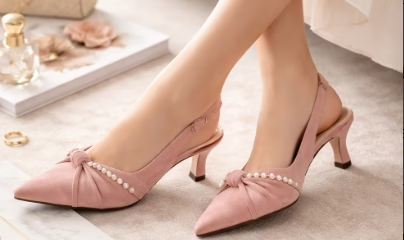
Abstract High Heels are one of the most enduring categories in women’s footwear because they combine function, form, and style in a single design. The right pair can sharpen a work outfit, refine a wedding look, or bring energy to a party ensemble. But not all heels wear the same. Shape, heel height, materials, and construction all affect how a shoe looks and how it feels over time. This guide explains the different types of high heel shoes, how to choose the right heel height for different needs, what defines high quality heels, and which styles work best for work, weddings, parties, and everyday wear. Whether you prefer elegant pumps, practical block heels, or bold stiletto high heels, this article offers a clear framework for choosing heels with more confidence. Table of Contents 1. Different Types of High Heel Shoes Explained 1.1 The main heel styles to know 1.2 When to choose stiletto high heels 1.3 Which heel shapes are easiest to wear 2. Heel Heights: How to Choose the Right Rise for Different Needs 2.1 Low, mid, and high heel ranges 2.2 How height affects comfort and posture 2.3 Best heel heights for different occasions 3. High Quality Heels: Materials, Construction and What to Look For 3.1 Common materials used in high quality heels 3.2 Construction details that matter 3.3 How to spot a better-made pair 4. Best High Heels for Work, Weddings, Parties and Everyday Wear 4.1 Office and professional settings 4.2 Weddings and formal occasions 4.3 Parties and social events 4.4 Everyday wear and versatile styling 5. Quick Comparison Table 6. Final Thoughts YouTube – Ultimate High Heels Shopping Tips 1. Different Types of High Heel Shoes Explained Understanding the different types of high heel shoes makes it much easier to shop with purpose. Some heels are designed for polish, some for comfort, and some for visual impact. The best choice depends on how and where you plan to wear them. 1.1 The main heel styles to know Several heel styles appear again and again because they suit different wardrobes and occasions. Heel Type Key Feature Best For Pump Closed-toe, classic silhouette Work, formal events, general versatility Slingback Open back with rear strap Office dressing, weddings, dinners Mule Backless shape Easy styling, fashion-led looks Sandal Heel Strappy and open Parties, summer events, evening wear Block Heel Wider heel base Better stability, long wear Wedge Full-length heel support Day events, outdoor wear Platform Heel Raised front sole Statement looks, party styling Kitten Heel Lower narrow heel Daily wear, polished comfort Each type changes how the shoe feels on the foot. A pump usually looks the most classic. A block heel offers more balance. A sandal heel feels lighter and often looks more festive. 1.2 When to choose stiletto high heels Stiletto high heels are defined by a narrow heel and a more dramatic visual line. They are often chosen for evening dressing, sharp tailoring, sleek dresses, and special occasions that call for a more elevated look. Stilettos work especially well when you want the shoe to look refined and striking. They elongate the leg and create a cleaner silhouette than many wider-heeled styles. At the same time, they are not always the most practical choice for long hours, uneven ground, or events with a lot of walking. A good rule is simple: choose stilettos when appearance is the priority, and choose a thicker heel when stability matters more. 1.3 Which heel shapes are easiest to wear Ease depends on more than height alone. Heel shape, upper support, and sole structure also influence comfort. Generally, these are the easiest shapes to wear: For people building a first collection of high heels, it is often smart to begin with a mid-height pump, a block heel, and one dressier pair for events. 2. Heel Heights: How to Choose the Right Rise for Different Needs Heel height changes posture, pressure, and overall wearability. The right rise depends on your comfort level, schedule, and setting. 2.1 Low, mid, and high heel ranges A practical way to think about heel height is by three broad levels: Heel Height Approximate Range Best Use Low Heel Up to 2 inches Work, daily wear, long standing Mid Heel 2 to 3.5 inches Office-to-evening, weddings, dinners High Heel 4 inches and above Parties, formal looks, shorter wear Low heels are the easiest for long periods of standing. Mid heels often offer the best balance between elegance and comfort. Higher heels create more impact, but they usually require more experience and more support. 2.2 How height affects comfort and posture As heel height increases, the foot angle becomes steeper and more pressure shifts toward the front of the foot. This is why a shoe that looks elegant on display may not feel equally good after several hours. Other details matter just as much: When choosing high heels, it helps to think about movement. Will you be sitting, standing, walking, dancing, or crossing outdoor surfaces? The answer should influence heel height. 2.3 Best heel heights for different occasions For work, low to mid heels are usually the most practical. For weddings, mid heels often work well because they balance formality and comfort. For parties, higher heels can make sense if the event is shorter or more fashion-focused. For everyday styling, a lower heel or stable mid heel is usually the easiest choice. The smartest choice is the one that supports the occasion rather than fighting it. Reddit – Tips for walking in high heels? 3. High Quality Heels: Materials, Construction and What to Look For Not all heels with a polished finish are equally well made. High quality heels are defined by materials, structure, and the way the shoe supports the foot over time. 3.1 Common materials used in high quality heels Materials shape both appearance and durability. Material Look and Feel Typical Use Leather Smooth, structured, durable Work heels, pumps, long-term wear Suede Soft, rich texture Transitional and dressy styles Satin Formal, refined finish Weddings, evening wear Patent Glossy, sharp appearance Office, occasion wear Mesh / Textile Light, decorative, modern Fashion-led styles Glitter / Metallic Finish Reflective, statement-making Parties, weddings, events Leather remains a common choice for versatility and durability. Satin and embellished materials tend to appear more often in occasion shoes. Patent finishes create a cleaner and more polished look. 3.2 Construction details that matter A better-made heel usually shows quality in less obvious places. Look for: These details influence how the shoe performs over repeated wear. A shoe that slips, tilts, or rubs excessively is rarely a good long-term choice, no matter how attractive it looks. 3.3 How to spot a better-made pair A well-made pair of high quality heels should feel stable when you walk, hold the foot securely, and show careful finishing. The shoe does not need to be heavily padded to feel premium, but it should feel intentional in shape and support. Before buying, check: The best heels are not simply beautiful; they are wearable. 4. Best High Heels for Work, Weddings, Parties and Everyday Wear Different occasions call for different priorities. Some settings require polish and restraint. Others allow more shine, height, or detail. 4.1 Office and professional settings For work, the most useful high heels are usually clean, moderate, and easy to style. Pumps, slingbacks, and block heels tend to work best because they pair naturally with tailoring, dresses, and smart separates. Strong choices include: For professional settings, subtle structure often works better than dramatic decoration. 4.2 Weddings and formal occasions Weddings require a balance between elegance and comfort. You may be standing for photos, walking across different surfaces, or wearing the shoes for many hours. Mid-height sandals, pumps, slingbacks, and stable heels often work well. Best options include: Color and finish matter here too. Metallic tones, satin surfaces, and soft embellishment feel especially appropriate for formal events. 4.3 Parties and social events Parties allow more personality. This is the place for metallic finishes, crystal details, sculptural heels, patent textures, and bolder silhouettes. If you want the shoe to become part of the outfit’s focal point, this is the category where a more dramatic heel makes sense. Popular party choices include: For parties, visual impact often matters more than all-day practicality, though comfort should never be ignored completely. 4.4 Everyday wear and versatile styling For everyday wear, a heel should work with multiple outfits and still feel manageable through repeated use. This is where lower heels, stable shapes, and simple finishes become more useful than highly embellished styles. A versatile everyday heel often has: If you want a small but functional heel wardrobe, three pairs can cover most needs: one classic pump, one stable block heel, and one dressier event heel. 5. Quick Comparison Table Need Best Heel Type Ideal Height Material / Finish Suggestion Work Pump, slingback, block heel Low to mid Leather, patent Wedding Sandal heel, slingback, pump Mid Satin, metallic, soft embellishment Party Stiletto, platform, sandal heel Mid to high Patent, glitter, metallic Everyday Wear Block heel, kitten heel, wedge Low to mid Leather, suede Fashion Statement Stiletto high heels, sculptural heels Mid to high Metallic, mesh, embellished 6. Final Thoughts The best high heels are not chosen by trend alone. They are chosen by understanding shape, height, material, and purpose. Once you know the different types of high heel shoes, it becomes easier to match style with real-life use. A classic pump can anchor a work wardrobe. A stable block heel can carry you through longer events. Stiletto high heels can bring polish and drama when the moment calls for it. And truly high quality heels stand out not only for how they look, but for how well they are made and how confidently they wear. […]
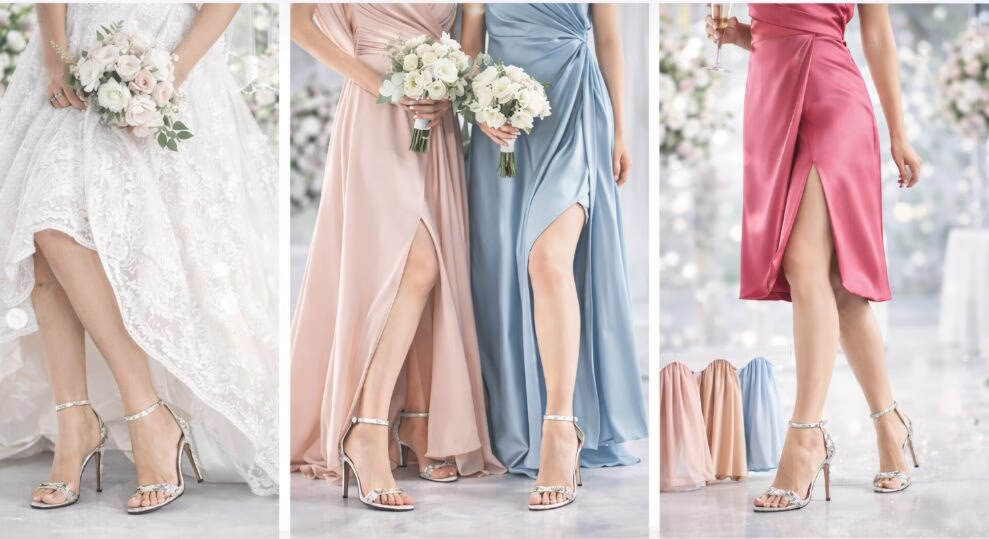
Abstract Silver Glitter High Heel Shoes are one of the easiest ways to bring light, elegance, and personality into a special-occasion outfit. Whether you are dressing for a wedding ceremony, a formal reception, a cocktail party, or a festive evening event, the right pair of shimmering heels can instantly elevate your entire look. Their reflective finish catches the light beautifully, while the silver tone remains surprisingly versatile across white, pastel, jewel-tone, and monochrome outfits. This guide explains what makes silver glitter high heel shoes stand out, how to style sparkly high heels for weddings, how to create polished party looks with metallic heels, and how to choose the right heel height and finish for comfort. If you want footwear that feels glamorous but still wearable, this article will help you build outfits that look refined, modern, and occasion-ready. Table of Contents 1. What Makes Silver Glitter High Heel Shoes Stand Out 1.1 Why silver glitter works with so many outfits 1.2 The difference between glitter, shimmer, and metallic finishes 2. How to Style Sparkly High Heels for Weddings 2.1 Bridal looks with silver wedding shoes 2.2 Bridesmaid and guest outfit ideas 2.3 Best dress colors to pair with glitter heels 3. Party Outfit Ideas with Metallic and Glitter Heels 3.1 Cocktail party styling 3.2 Holiday and evening event styling 3.3 Minimal outfits that let the shoes shine 4. How to Choose the Right Heel Height and Finish for Comfort and Shine 4.1 Choosing the best heel shape 4.2 Comfort features to look for 4.3 Picking the right level of sparkle for the occasion 5. Styling Mistakes to Avoid with Sparkly Heels 6. Final Thoughts 1. What Makes Silver Glitter High Heel Shoes Stand Out 1.1 Why silver glitter works with so many outfits There is a reason Silver Glitter High Heel Shoes remain a favorite for weddings, parties, and dressy celebrations: they make a statement without being difficult to style. Silver sits in a neutral-but-luminous category. It feels brighter than black, more festive than nude, and more versatile than bold colors that only work with specific outfits. Because silver reflects surrounding tones, it pairs well with classic white dresses, soft blush gowns, champagne satin, icy blue eveningwear, and even deep colors like navy or emerald. This makes silver glitter high heel shoes a practical option for people who want one glamorous pair they can wear more than once. Another reason they stand out is balance. Glitter adds texture and visual interest, while silver keeps the look polished rather than overwhelming. When styled well, sparkly high heels do not just complete an outfit; they become the focal detail that gives the entire look its occasion feel. 1.2 The difference between glitter, shimmer, and metallic finishes Not all sparkling shoes create the same effect. Understanding the finish helps you choose the right pair for the right setting. Finish Type Visual Effect Best For Style Mood Glitter Noticeable sparkle with textured shine Weddings, parties, festive evenings Glamorous, celebratory Shimmer Softer light reflection Daytime weddings, elegant receptions Refined, romantic Metallic Smooth reflective finish Cocktail events, formal dinners, modern styling Sleek, polished If you want a statement shoe for photos, dance floors, and special entrances, silver glitter high heel shoes usually deliver the strongest visual impact. If you want something subtler, a smoother metallic silver heel may feel more timeless and understated. 2. How to Style Sparkly High Heels for Weddings 2.1 Bridal looks with silver wedding shoes For bridal styling, silver wedding shoes offer a beautiful alternative to traditional ivory or white heels. They work especially well when the dress includes beading, sequins, crystal embellishment, or cool-toned undertones. A bride who wants a modern finish can use silver heels to add dimension without taking attention away from the gown. For a clean bridal look, pair Silver Glitter High Heel Shoes with: 1.a minimalist satin gown 2.delicate crystal earrings 3.a silver-toned clutch for the reception 4.a soft shimmer manicure in nude or pearl tones If the dress is heavily embellished, choose finer glitter or a sleek silhouette so the outfit feels balanced. If the dress is simple, the shoes can become the signature detail that adds personality. 2.2 Bridesmaid and guest outfit ideas For bridesmaids and wedding guests, sparkly high heels can transform even a simple dress into an event-ready outfit. Silver is especially useful because it works across a wide range of wedding palettes. Some easy combinations include: 1.Dusty blue midi dress + silver glitter high heel shoes 2.Blush chiffon gown + silver ankle-strap heels 3.Navy slip dress + metallic heels + crystal drop earrings 4.Lavender or sage dress + subtle silver shimmer sandals Guests can also use silver heels to refresh a dress they already own. Instead of buying a completely new outfit, switching to metallic heels often makes the look feel more formal and current. 2.3 Best dress colors to pair with glitter heels Color pairing matters if you want sparkle to feel elegant rather than random. The best colors with Silver Glitter High Heel Shoes are usually tones that either complement silver’s coolness or allow the shine to stand out cleanly. Dress Color Why It Works with Silver Glitter Heels Best Occasion White / Ivory Clean, bridal, luminous Bridal wear, engagement looks Blush / Rose Soft contrast, romantic Weddings, receptions Champagne / Taupe Elegant with a warm-cool mix Formal celebrations Navy Strong contrast, very polished Evening weddings, parties Black Sharp and dramatic Cocktail events, night parties Ice Blue / Silver Grey Tonal, modern, sophisticated Formal and winter events A good rule is to let one element sparkle the most. If your dress is already fully sequined, choose shoes with controlled shine. If your dress is matte, sparkly high heels can do more of the visual work. Related Articles:https://www.brides.com/silver-wedding-shoes-8693535?utm 3. Party Outfit Ideas with Metallic and Glitter Heels 3.1 Cocktail party styling Cocktail outfits are one of the easiest places to wear metallic heels. A sleek midi dress, tailored jumpsuit, or satin slip dress instantly looks more elevated with silver sparkle at the feet. The key is to keep the rest of the look intentional. For a chic cocktail outfit, try: 1.black slip dress + Silver Glitter High Heel Shoes + silver earrings 2.white blazer dress + sparkly stilettos + mini metallic bag 3.charcoal tailored jumpsuit + pointed metallic heels 4.deep green satin midi + silver heels + polished hair These combinations feel dressy but not costume-like. They work because the silver footwear adds light in a precise, focused way. 3.2 Holiday and evening event styling Holiday parties and evening celebrations naturally suit more shine. This is where silver glitter high heel shoes can be styled with velvet, satin, sequins, and richer textures. You can go slightly bolder here than you would for a daytime wedding. Try pairing them with: 1.a burgundy velvet dress for warmth and contrast 2.a silver-grey co-ord for a tonal fashion-forward look 3.a fitted black dress with crystal accents 4.wide-leg satin trousers and a structured top for a modern party outfit Even when the overall outfit is festive, structure still matters. If the shoes are very glittery, keep jewelry cleaner and choose one statement direction rather than several. 3.3 Minimal outfits that let the shoes shine One of the smartest ways to wear sparkly high heels is with minimalist clothing. A simple outfit creates room for the shoes to become the hero piece. Examples include: 1.an all-black column dress 2.a white satin slip dress 3.a monochrome grey set 4.a simple midi skirt with a fitted top This approach works well for people who want glamour without looking overdone. It also photographs beautifully because the eye is naturally drawn to the sparkle detail. 4. How to Choose the Right Heel Height and Finish for Comfort and Shine 4.1 Choosing the best heel shape Not every occasion needs the same heel. When buying Silver Glitter High Heel Shoes, think about how long you will be standing, walking, or dancing. Here is a simple guide: Heel Type Best For Comfort Level Style Effect Stiletto Formal photos, elegant events Lower for long wear Sharp, glamorous Block Heel Weddings, receptions, outdoor venues Higher Stable, stylish Kitten Heel Day events, guests, extended wear High Feminine, refined Platform Heel Parties, dancing, statement looks Medium to high Bold, dramatic For grass, garden venues, and long receptions, a block heel or lower heel often makes more sense than a very thin stiletto. For indoor evening events, a pointed glitter pump can feel sleek and sophisticated. 4.2 Comfort features to look for Style matters, but comfort determines whether you actually enjoy wearing the shoes. Look for: 1.cushioned insoles 2.supportive ankle straps 3.secure toe placement 4.balanced arch structure 5.breathable lining 5.manageable heel height for your walking style A beautiful pair of silver wedding shoes should not only match the dress but also support movement throughout the event. If you are dressing for a wedding or party with hours of standing, comfort is part of the styling decision. 4.3 Picking the right level of sparkle for the occasion The amount of shine should match the mood of the event. 1.For formal weddings: choose elegant glitter, crystal dusting, or refined shimmer. 2.For fashion parties: go brighter with bold silver glitter high heel shoes. 3.For daytime events: softer metallic or subtle sparkle often looks more polished. 4.For evening celebrations: stronger shine feels natural and festive. A useful styling principle is this: the more structured and minimal the outfit, the more sparkle the shoes can carry. 5. Styling Mistakes to Avoid with Sparkly Heels Even the most beautiful sparkly high heels can look less elega […]
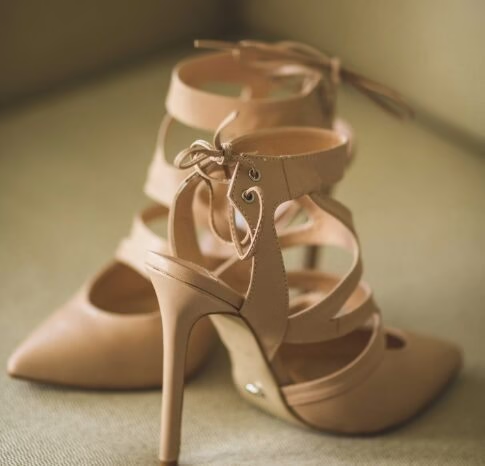
Abstract:The global footwear market in 2026 is witnessing a strong shift toward personalization, craftsmanship, and brand-driven differentiation. Custom High Heel Shoes are no longer niche products but strategic assets for fashion brands, retailers, and distributors seeking competitive advantage. This article explores the leading 2026 trends—beige and neutral tones, square-toe silhouettes, and high-vamp styles—while providing a practical step-by-step guide to customization, wholesale strategy insights, and sustainable manufacturing solutions. -Introduction: Why Custom High Heel Shoes Are Leading 2026 Footwear Trends -2026 Color Trend–Beige & Neutral-Tone Custom High Heel Shoes Why Beige High Heels Dominate Runways and Retail How to Customize Beige Custom Made High Heels for Your Brand -Square-Toe Custom High Heel Shoes The Revival of Structured Toe Shapes in Wholesale Heels Customization Options for Square-Toe High Heel Solutions -High-Vamp Custom Made High Heels – Elegance Meets Structure What Makes High-Vamp Styles Popular in 2026 Manufacturing Expertise Behind High-Vamp Custom High Heel Shoes -How to Customize High Heel Shoes for Your Brand (Step-by-Step Guide) -Wholesale Heels in 2026–What B2B Buyers Should Know Trend-Based Inventory Planning Why Partnering with Experienced Custom High Heel Manufacturers Matters -Sustainable and Ethical Custom High Heel Solutions Eco-Materials in Custom Made High Heels Transparent Manufacturing & Quality Assurance Conclusion Introduction: Why Custom High Heel Shoes Are Leading 2026 Footwear Trends The footwear industry in 2026 is defined by customization, flexibility, and brand storytelling. Custom High Heel Shoes are becoming central to product strategies as brands move away from generic mass production toward personalized collections. Market shift toward personalization and brand differentiation has driven brands to seek custom made high heels that reflect unique identity, seasonal storytelling, and consumer preferences. Retailers increasingly demand exclusive designs to avoid price wars and protect margins. Rising demand for custom made high heels among fashion brands and retailers is also fueled by social media visibility. Limited editions, capsule collections, and trend-responsive production allow brands to move quickly while maintaining exclusivity. With over 20+ years of craftsmanship and precision production expertise, experienced manufacturers elevate product quality through meticulous stitching, polishing, and structural reinforcement. Precision in heel construction ensures durability, comfort, and long-term wearability. The growing role of OEM/ODM high heel solutions in global wholesale markets enables brands to scale efficiently. Reliable supply chains, flexible MOQs, and rapid sampling cycles are now critical competitive advantages. 2026 Color Trend–Beige & Neutral-Tone Custom High Heel Shoes Why Beige High Heels Dominate Runways and Retail In 2026, beige and neutral-tone Custom High Heel Shoes are redefining elegance. Unlike traditional black heels, beige shades offer versatility across office, bridal, and evening occasions. Runways highlight warm nude palettes that complement diverse skin tones, making them inclusive and commercially viable. Retailers report strong sell-through rates because neutral colors integrate easily into capsule wardrobes. Beige custom made high heels also signal understated luxury. Consumers associate neutral tones with minimalism, sophistication, and modern aesthetics. How to Customize Beige Custom Made High Heels for Your Brand Customization options include selecting premium leather, suede, patent finishes, or eco-friendly vegan materials. Brands can adjust heel height to target professional wear, bridal markets, or evening fashion. Additional customization includes:• Logo embossing on insoles and outsoles• Custom packaging and branded dust bags• Hardware detailing in gold or matte finishes• Texture combinations for added visual depth These high heel solutions allow brands to maintain differentiation while leveraging neutral-tone demand. Square-Toe Custom High Heel Shoes The Revival of Structured Toe Shapes in Wholesale Heels Square-toe Custom High Heel Shoes are making a powerful comeback inspired by 90s fashion revival. Structured silhouettes provide both style and enhanced comfort compared to narrow pointed designs. Wholesale heels featuring square toes appeal to minimalist and contemporary fashion brands. The wider toe box improves wearability, increasing consumer satisfaction and repeat purchases. Customization Options for Square-Toe High Heel Solutions Customization opportunities include:• Adjusting toe width for regional sizing differences• Integrating padded insoles for comfort• Selecting sculptural heel shapes• Adding metallic trims or statement buckles Experienced manufacturers ensure precise pattern engineering to maintain structural integrity while achieving aesthetic balance. High-Vamp Custom Made High Heels – Elegance Meets Structure What Makes High-Vamp Styles Popular in 202 High-vamp Custom High Heel Shoes feature extended upper coverage, offering enhanced stability and a refined appearance. These designs are particularly popular in professional and formal markets. Consumers value both elegance and security. High-vamp styles provide a polished look while improving foot support, making them suitable for extended wear. Manufacturing Expertise Behind High-Vamp Custom High Heel Shoes Producing high-vamp custom made high heels requires advanced technical precision. Upper pattern cutting must align perfectly with heel structure to ensure durability. Key manufacturing factors include:• Reinforced arch support• Precision stitching and clean edge finishing• High-grade adhesive bonding• Strict quality inspection protocols Manufacturers with decades of craftsmanship experience can consistently deliver stable, high-quality wholesale heels that meet international standards. How to Customize High Heel Shoes for Your Brand (Step-by-Step Guide) Step 1–Define Your Target Market Identify whether your focus is luxury retail, bridal collections, office wear, or fast fashion. Target pricing and positioning determine material and structural decisions. Step 2–Select Heel Type and Height Choose between stiletto, block heel, kitten heel, or wedge. Heel height affects comfort, stability, and target demographics. Step 3–Choose Materials & Finishing Material selection influences both aesthetics and durability. Options include genuine leather, microfiber, satin, patent finishes, and sustainable alternatives. Finishing techniques such as polishing and edge painting enhance premium perception. Step 4–Develop Prototypes & Sampling Submit sketches or 3D concepts for sampling. Experienced OEM high heel solutions providers offer technical feedback, fit testing, and structural adjustments before mass production. Step 5–Mass Production & Wholesale Heels Distribution Plan production timelines, finalize packaging, and coordinate logistics. Consistent quality control ensures scalable wholesale heels distribution across global markets. Wholesale Heels in 2026–What B2B Buyers Should Know Trend-Based Inventory Planning Successful B2B buyers align inventory with seasonal trends. Beige neutrals, square-toe silhouettes, and high-vamp designs should be balanced with classic staples. Forecasting demand and maintaining flexible supply agreements help reduce overstock risk. Why Partnering with Experienced Custom High Heel Manufacturers Matters Reliable partners provide:• Stable supply chains• Quality assurance systems• Scalable production capacity• Continuous design innovation Long-term collaboration enhances brand stability and growth. Sustainable and Ethical Custom High Heel Solutions Eco-Materials in Custom Made High Heels Sustainability is no longer optional. Recycled materials, vegan leather, and water-based adhesives reduce environmental impact while maintaining quality. Brands integrating sustainable custom made high heels attract environmentally conscious consumers. Transparent Manufacturing & Quality Assurance Transparent sourcing and documented quality inspection strengthen brand credibility. Ethical labor standards and compliance certifications further reinforce trust. Conclusion Custom High Heel Shoes in 2026 reflect a powerful combination of personalization, craftsmanship, and strategic wholesale planning. Beige tones, square-toe silhouettes, and high-vamp styles dominate global markets while offering strong differentiation opportunities. Brands that leverage experienced OEM/ODM high heel solutions providers can transform design concepts into market-ready products efficiently. Through sustainable practices, precision production, and thoughtful customization strategies, custom made high heels will continue driving growth and innovation in the global footwear industry.
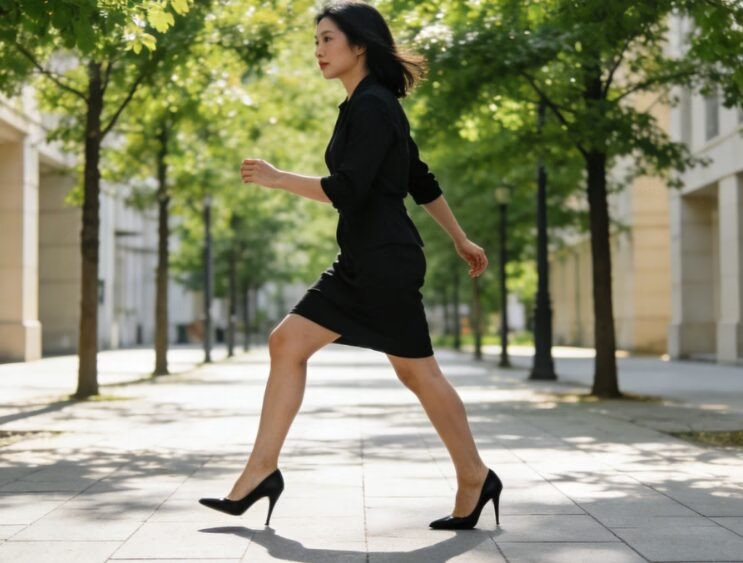
Walking in heels looks effortless when done well, but it is a learnable skill built on the right shoe choice, stable posture, controlled steps, and smart practice.

Summary Vintage high heels can deliver the kind of silhouette, craftsmanship, and character that modern shoes rarely replicate—but they also come with unique risks: sizing quirks, aged materials, and hidden structural issues. This guide walks you through a practical, era-aware checklist so you can buy confidently online or in-store. You’ll learn how to verify “true vintage,” measure your foot correctly, check width, evaluate materials and hardware, and choose styles that fit your wardrobe—whether you’re hunting classic black high heel pumps or sourcing high fashion heels and wholesale high heels for a boutique. What”Vintage High Heels”Really Means Before You Buy: A Fast Pre-Purchase Checklist (Skimmable) Know Your Foot Size What Materials Are Used to Make High Heels? (Materials Guide) Authenticity &”True Vintage”Verification Style Choices That Match Your Wardrobe Buying Channels: Where to Buy Vintage High Heels Safely What”Vintage High Heels”Really Means Vintage vs. Retro vs. Secondhand Before you click “buy,” clarify the label. “Vintage” usually refers to an older, original item from a past era (often 20+ years old). “Retro” or high heels retro typically describes a new shoe made today with a vintage-inspired shape—think a 1950s kitten heel silhouette built with modern foam padding. “Secondhand” simply means pre-owned; it could be last season or decades old. This distinction matters for fit, durability, and value. A true vintage pair may have superior leather and finishing, but it may also have adhesives that have aged or materials that no longer flex safely. Retro pairs offer the look with fewer risks, while secondhand modern heels are mostly about condition and price. Popular Vintage Heel Eras and Their Signature Silhouettes Different eras look and feel different on the foot. Knowing the era helps you predict toe box shape, heel pitch, and typical width. • 1950s: kitten heels and delicate pumps with a refined, tapered toe. Elegant but often narrower through the forefoot. • 1970s: platforms and chunky heels. More stable for walking, with bolder uppers and thicker soles. • 1990s–early 2000s: minimalist high fashion heels and sleek pumps—clean lines, sharper toes, and a higher likelihood of early synthetics. When shopping, match the era to your comfort needs: a 1970s platform may be kinder for long wear than a sharp 1950s pump. Before You Buy: A Fast Pre-Purchase Checklist (Skimmable) 30-Second “Pass or Buy” Screening Use this quick screen to avoid the most common “arrives and disappoints” outcomes. Start with structure: does the heel look straight and centered, and does the shoe appear symmetrical from left to right? Next, check the upper: look for cracking, peeling, or separation at flex points (especially where the foot bends). Then inspect the outsole and heel tips: worn heel tips are replaceable, but uneven wear can signal alignment issues that affect comfort and stability. Finally, confirm fit data (size and width) and authenticity cues (labels, construction quality, clean finishing). If any single category raises doubts and the seller cannot provide clear measurements or close-up photos, pass—or buy only if you have a realistic repair budget and a return option. Table 1 — Quick Checklist Checkpoint What to Look For Red Flags Buyer Action Overall structure Heel aligned, shoe stands straight Wobbling heel, twisted shank Skip or budget for repair Upper condition Smooth leather, stable stitching Cracks, peeling ‘pleather,’ separation Avoid unless collectible Sole & heel tips Minimal wear, replaceable tip Worn-down heel tip, uneven sole Request repair estimate Insole/lining Clean, intact padding Mold smell, sticky lining Don’t buy / sanitize plan Authenticity cues Clear branding, quality finish Misspellings, cheap glue lines Ask for close-up photos Fit factors Correct size + width Seller says ‘runs small’ with no data Measure & confirm Tip: If the seller can’t provide measurements and close-ups, treat it as a high-risk listing. Know Your Foot Size How to Measure Foot Length Correctly at Home Know Your Foot Size before you shop—especially for vintage, where returns may be limited. Measure both feet at the end of the day when they’re slightly larger. 1) Place paper on a hard floor and stand with full weight on the foot. 2) Trace the outline, then measure heel-to-longest-toe length in millimeters. 3) Repeat for the other foot and use the longer measurement. Ask sellers for the insole length (not just the labeled size). An insole length close to your foot length plus a small allowance is a better predictor of fit than a size tag alone. Vintage Sizing Differences by Era and Brand Vintage sizing can run smaller, narrower, or simply inconsistent. Older lasts were often slimmer, and some brands used different grading systems. A labeled “US 7” from one decade can feel like a modern 6.5 or a tight 7. If the shoe is leather, it may stretch slightly in width but rarely in length. If it’s an older synthetic, it may not stretch at all—and could crack if forced. Treat every pair as a measurement problem, not a label problem. Try-On Rules (If You Can’t Try, Ask These Questions) If you can’t try them on, replace guesswork with questions: • What is the exact insole length and ball-of-foot width (in mm or cm)? • What is the heel height measured from the back center? • Is there slipping at the heel or pressure at the toe box? • Any repairs, replacements, or soft spots in the sole? Good sellers will answer with measurements and clear photos. If answers are vague (“runs small”) without numbers, that’s a risk signal. What Materials Are Used to Make High Heels? (Materials Guide) Common Vintage Heel Materials What materials are used to make high heels? In vintage styles you’ll most often see leather (smooth, pebble, or full-grain), suede, and patent leather. Special-occasion pairs may use satin or silk blends. You may also encounter early synthetics (PVC or coated fabrics) that look fine in photos but degrade over time. For hardware, expect metal buckles, eyelets, and decorative elements; quality hardware should feel solid, not flimsy or sharp at edges. How Each Material Ages (What”Good Wear”Looks Like) Materials tell you whether a shoe is “worn” or “breaking down.” Leather can show gentle creasing and still be healthy; deep cracks, flaking finish, or stiffness at the vamp are warning signs. Patent leather can develop micro-cracks at flex points—small cracks usually grow. Suede can be revived with brushing, but bald spots are harder to hide. Satin can snag and fray; decide whether you’re buying it as a collectible or a wearable. When in doubt, zoom in on high-stress zones: toe bends, strap holes, and the heel seat. Hardware & Components (Buckles, Eyelets, Glue vs Stitching) Hardware and construction affect safety. Check buckles and zippers for corrosion, and ensure rivets or eyelets are tight. In high heels, the heel attachment and internal shank are critical. Stitching generally ages better than heavy glue-only construction, but many heels use adhesives in layers; old glue can fail after long storage. If you see gaps where the outsole meets the upper, or the heel base shows separation lines, assume you’ll need a cobbler. For buyers building a vintage-inspired line, these are the same QC points factories use when sampling high fashion heels. Authenticity &”True Vintage”Verification Labels, Stamps, Serial Numbers, and Country of Origin To verify “true vintage,” start with the inside label and any stamps under the sole or in the arch. Look for consistent brand spelling, clean imprinting, and realistic country-of-origin markings. Ask for close-up photos of the logo, size stamp, and any serial numbers. Authentic pairs typically show consistent font and placement. Be cautious with “no label” claims unless the construction quality clearly supports the story. Craftsmanship Clues That Signal Quality Even without a famous label, craftsmanship speaks. Look for symmetrical toe shapes, clean edge finishing, straight stitching lines, and an even heel pitch. The shoe should appear balanced when placed on a flat surface; if the heel looks off-center, it may feel unstable. High-quality vintage heels often have better lining and smoother seams that reduce friction compared with low-end mass production. Fake “Vintage Aesthetic” vs Real Vintage Construction Some listings use “vintage” to mean “vintage-inspired.” That’s not automatically bad, but the price should match. Real vintage usually shows older manufacturing cues and natural material aging. Modern retro shoes may have contemporary foam insoles, updated rubber outsoles, and standardized size labels. If you want daily comfort, a well-made high heels retro option can be smarter than fragile originals—just be clear about what you’re paying for. Style Choices That Match Your Wardrobe The Easiest Vintage Heel to Wear Today If you’re new to vintage, start with classic pumps—especially black high heel pumps. They pair with jeans, tailoring, and eveningwear, and they’re easier to evaluate for condition because the design is simple. Choose a toe shape you already know you can wear (almond or slightly rounded for comfort). A modest heel height improves stability and reduces stress on older materials. How to Choose Heel Height for Your Lifestyle Heel height should match where you’ll actually wear the shoes. As a rule of thumb: • 2–3 inch: daily wear, commutes, and long events. • 3–4 inch: statement looks, shorter wear windows. • Platforms: added height with more surface area and stability, often a good vintage pick. Remember that older heels may have less cushioning. If you love the look but need comfort, consider adding removable pads or choosing a retro-inspired pair with modern support. When Vintage Inspired Alternatives Make More Sense If you love the silho […]