Tag: High Heels

  • The Ultimate High Heels Guide: Types, Heel Heights, Materials and Occasions

    The Ultimate High Heels Guide: Types, Heel Heights, Materials and Occasions

    Abstract

    High Heels are one of the most enduring categories in women’s footwear because they combine function, form, and style in a single design. The right pair can sharpen a work outfit, refine a wedding look, or bring energy to a party ensemble. But not all heels wear the same. Shape, heel height, materials, and construction all affect how a shoe looks and how it feels over time.

    This guide explains the different types of high heel shoes, how to choose the right heel height for different needs, what defines high quality heels, and which styles work best for work, weddings, parties, and everyday wear. Whether you prefer elegant pumps, practical block heels, or bold stiletto high heels, this article offers a clear framework for choosing heels with more confidence.

    Table of Contents

    1. Different Types of High Heel Shoes Explained

    1.1 The main heel styles to know

    1.2 When to choose stiletto high heels

    1.3 Which heel shapes are easiest to wear

    2. Heel Heights: How to Choose the Right Rise for Different Needs

    2.1 Low, mid, and high heel ranges

    2.2 How height affects comfort and posture

    2.3 Best heel heights for different occasions

    3. High Quality Heels: Materials, Construction and What to Look For

    3.1 Common materials used in high quality heels

    3.2 Construction details that matter

    3.3 How to spot a better-made pair

    4. Best High Heels for Work, Weddings, Parties and Everyday Wear

    4.1 Office and professional settings

    4.2 Weddings and formal occasions

    4.3 Parties and social events

    4.4 Everyday wear and versatile styling

    5. Quick Comparison Table

    6. Final Thoughts

    YouTube – Ultimate High Heels Shopping Tips

    1. Different Types of High Heel Shoes Explained
    high heels

    Understanding the different types of high heel shoes makes it much easier to shop with purpose. Some heels are designed for polish, some for comfort, and some for visual impact. The best choice depends on how and where you plan to wear them.

    1.1 The main heel styles to know

    Several heel styles appear again and again because they suit different wardrobes and occasions.

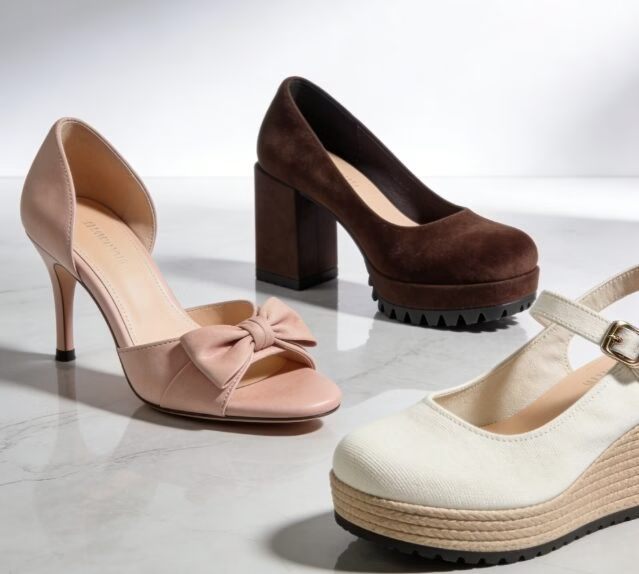
    Heel TypeKey FeatureBest For
    PumpClosed-toe, classic silhouetteWork, formal events, general versatility
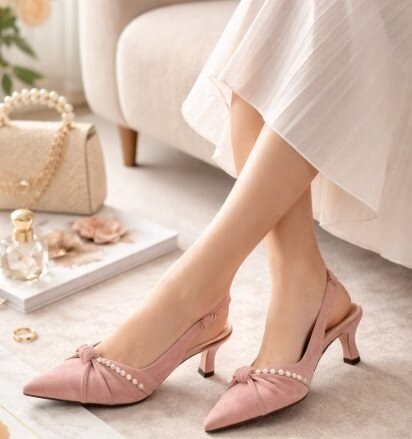
    SlingbackOpen back with rear strapOffice dressing, weddings, dinners
    MuleBackless shapeEasy styling, fashion-led looks
    Sandal HeelStrappy and openParties, summer events, evening wear
    Block HeelWider heel baseBetter stability, long wear
    WedgeFull-length heel supportDay events, outdoor wear
    Platform HeelRaised front soleStatement looks, party styling
    Kitten HeelLower narrow heelDaily wear, polished comfort

    Each type changes how the shoe feels on the foot. A pump usually looks the most classic. A block heel offers more balance. A sandal heel feels lighter and often looks more festive.

    1.2 When to choose stiletto high heels

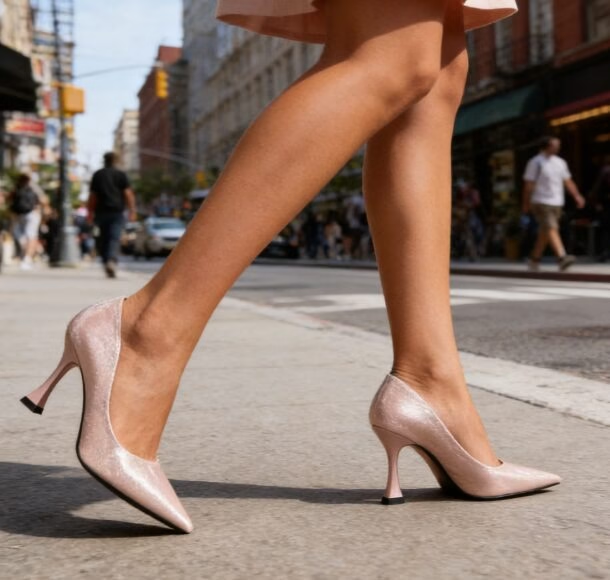
    Stiletto high heels are defined by a narrow heel and a more dramatic visual line. They are often chosen for evening dressing, sharp tailoring, sleek dresses, and special occasions that call for a more elevated look.

    Stilettos work especially well when you want the shoe to look refined and striking. They elongate the leg and create a cleaner silhouette than many wider-heeled styles. At the same time, they are not always the most practical choice for long hours, uneven ground, or events with a lot of walking.

    A good rule is simple: choose stilettos when appearance is the priority, and choose a thicker heel when stability matters more.

    1.3 Which heel shapes are easiest to wear

    Ease depends on more than height alone. Heel shape, upper support, and sole structure also influence comfort.

    Generally, these are the easiest shapes to wear:

    • block heels for stability
    • kitten heels for lower lift
    • wedges for better weight distribution
    • slingbacks with secure straps
    • pumps with moderate height and a balanced toe box

    For people building a first collection of high heels, it is often smart to begin with a mid-height pump, a block heel, and one dressier pair for events.

    2. Heel Heights: How to Choose the Right Rise for Different Needs
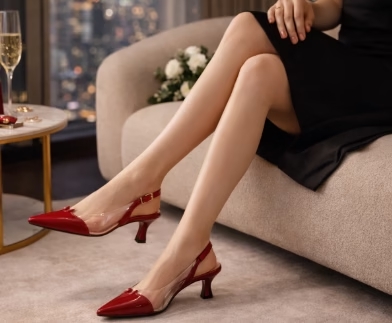
    different types of high heel shoes

    Heel height changes posture, pressure, and overall wearability. The right rise depends on your comfort level, schedule, and setting.

    2.1 Low, mid, and high heel ranges

    A practical way to think about heel height is by three broad levels:

    Heel HeightApproximate RangeBest Use
    Low HeelUp to 2 inchesWork, daily wear, long standing
    Mid Heel2 to 3.5 inchesOffice-to-evening, weddings, dinners
    High Heel4 inches and aboveParties, formal looks, shorter wear

    Low heels are the easiest for long periods of standing. Mid heels often offer the best balance between elegance and comfort. Higher heels create more impact, but they usually require more experience and more support.

    2.2 How height affects comfort and posture

    As heel height increases, the foot angle becomes steeper and more pressure shifts toward the front of the foot. This is why a shoe that looks elegant on display may not feel equally good after several hours.

    Other details matter just as much:

    • a 3-inch block heel may feel easier than a 2.5-inch stiletto
    • a platform can reduce the effective pitch of the foot
    • ankle straps may improve security
    • a better insole can make a noticeable difference

    When choosing high heels, it helps to think about movement. Will you be sitting, standing, walking, dancing, or crossing outdoor surfaces? The answer should influence heel height.

    2.3 Best heel heights for different occasions

    For work, low to mid heels are usually the most practical. For weddings, mid heels often work well because they balance formality and comfort. For parties, higher heels can make sense if the event is shorter or more fashion-focused. For everyday styling, a lower heel or stable mid heel is usually the easiest choice.

    The smartest choice is the one that supports the occasion rather than fighting it.

    Reddit – Tips for walking in high heels?

    3. High Quality Heels: Materials, Construction and What to Look For
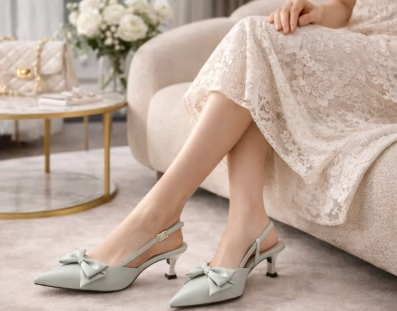
     stiletto high heels

    Not all heels with a polished finish are equally well made. High quality heels are defined by materials, structure, and the way the shoe supports the foot over time.

    3.1 Common materials used in high quality heels

    Materials shape both appearance and durability.

    MaterialLook and FeelTypical Use
    LeatherSmooth, structured, durableWork heels, pumps, long-term wear
    SuedeSoft, rich textureTransitional and dressy styles
    SatinFormal, refined finishWeddings, evening wear
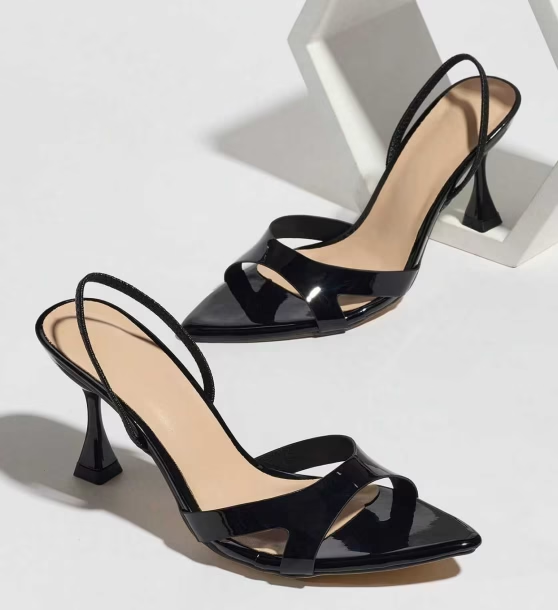
    PatentGlossy, sharp appearanceOffice, occasion wear
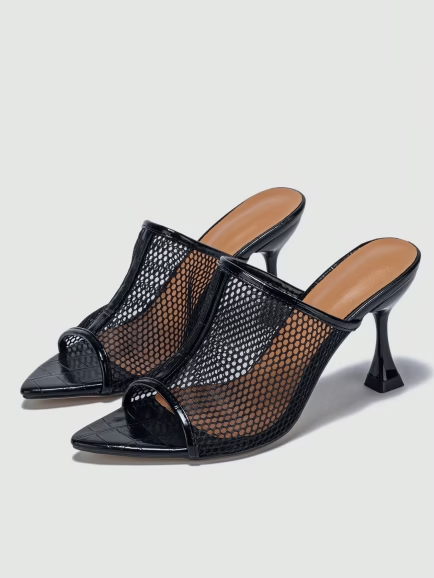
    Mesh / TextileLight, decorative, modernFashion-led styles
    Glitter / Metallic FinishReflective, statement-makingParties, weddings, events

    Leather remains a common choice for versatility and durability. Satin and embellished materials tend to appear more often in occasion shoes. Patent finishes create a cleaner and more polished look.

    3.2 Construction details that matter

    A better-made heel usually shows quality in less obvious places. Look for:

    • secure attachment between heel and sole
    • clean stitching or neatly finished edges
    • supportive insole
    • comfortable lining
    • stable arch structure
    • outsole grip
    • even balance when the shoe is set on the ground

    These details influence how the shoe performs over repeated wear. A shoe that slips, tilts, or rubs excessively is rarely a good long-term choice, no matter how attractive it looks.

    3.3 How to spot a better-made pair

    A well-made pair of high quality heels should feel stable when you walk, hold the foot securely, and show careful finishing. The shoe does not need to be heavily padded to feel premium, but it should feel intentional in shape and support.

    Before buying, check:

    • whether your heel lifts out of the shoe
    • whether the toe box feels too narrow
    • whether straps dig into the skin
    • whether the arch feels unsupported
    • whether the height matches your actual comfort level

    The best heels are not simply beautiful; they are wearable.

    4. Best High Heels for Work, Weddings, Parties and Everyday Wear
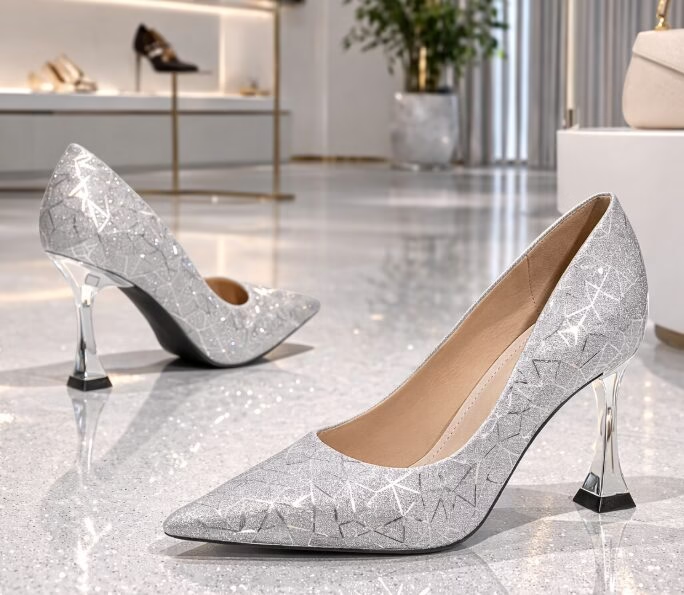
    high quality heels

    Different occasions call for different priorities. Some settings require polish and restraint. Others allow more shine, height, or detail.

    4.1 Office and professional settings

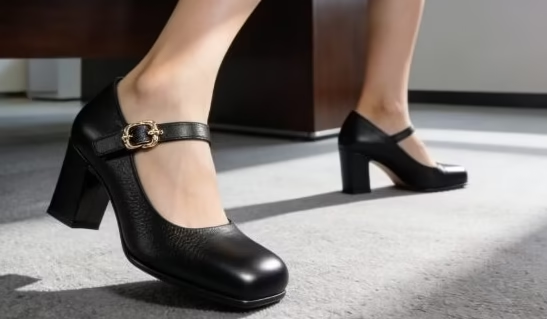
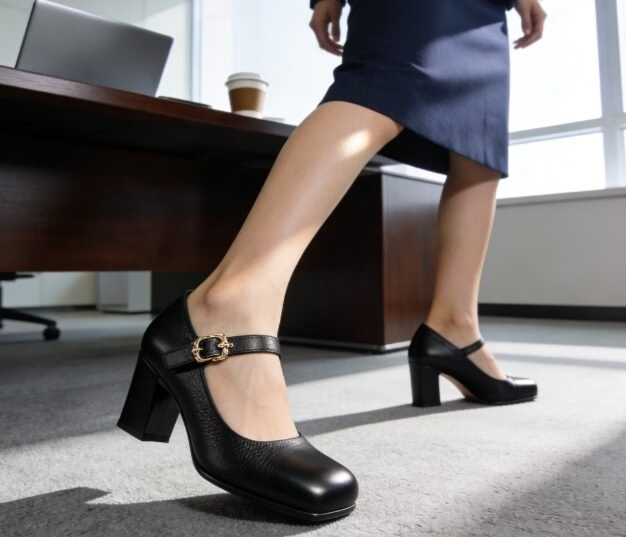
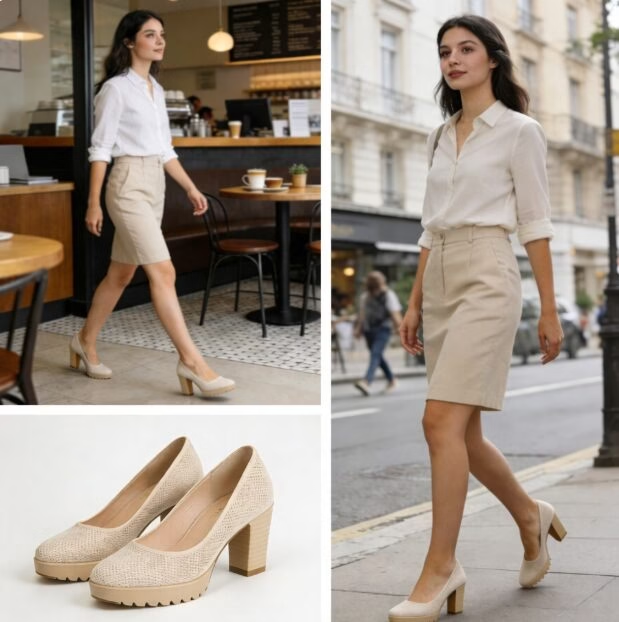
    For work, the most useful high heels are usually clean, moderate, and easy to style. Pumps, slingbacks, and block heels tend to work best because they pair naturally with tailoring, dresses, and smart separates.

    Strong choices include:

    • mid-height pumps
    • low block heels
    • slingbacks in leather or patent
    • pointed or almond-toe silhouettes in neutral colors

    For professional settings, subtle structure often works better than dramatic decoration.

    4.2 Weddings and formal occasions

    Weddings require a balance between elegance and comfort. You may be standing for photos, walking across different surfaces, or wearing the shoes for many hours. Mid-height sandals, pumps, slingbacks, and stable heels often work well.

    Best options include:

    • satin pumps
    • block heel sandals
    • delicate slingbacks
    • refined stiletto high heels for shorter indoor events

    Color and finish matter here too. Metallic tones, satin surfaces, and soft embellishment feel especially appropriate for formal events.

    4.3 Parties and social events

    Parties allow more personality. This is the place for metallic finishes, crystal details, sculptural heels, patent textures, and bolder silhouettes. If you want the shoe to become part of the outfit’s focal point, this is the category where a more dramatic heel makes sense.

    Popular party choices include:

    • high sandals
    • pointed stilettos
    • platform heels
    • embellished or glitter heels

    For parties, visual impact often matters more than all-day practicality, though comfort should never be ignored completely.

    4.4 Everyday wear and versatile styling

    For everyday wear, a heel should work with multiple outfits and still feel manageable through repeated use. This is where lower heels, stable shapes, and simple finishes become more useful than highly embellished styles.

    A versatile everyday heel often has:

    • moderate height
    • neutral color
    • simple upper design
    • enough support for daily movement

    If you want a small but functional heel wardrobe, three pairs can cover most needs: one classic pump, one stable block heel, and one dressier event heel.

    5. Quick Comparison Table

    NeedBest Heel TypeIdeal HeightMaterial / Finish Suggestion
    WorkPump, slingback, block heelLow to midLeather, patent
    WeddingSandal heel, slingback, pumpMidSatin, metallic, soft embellishment
    PartyStiletto, platform, sandal heelMid to highPatent, glitter, metallic
    Everyday WearBlock heel, kitten heel, wedgeLow to midLeather, suede
    Fashion StatementStiletto high heels, sculptural heelsMid to highMetallic, mesh, embellished

    6. Final Thoughts

    best high heels

    The best high heels are not chosen by trend alone. They are chosen by understanding shape, height, material, and purpose. Once you know the different types of high heel shoes, it becomes easier to match style with real-life use.

    A classic pump can anchor a work wardrobe. A stable block heel can carry you through longer events. Stiletto high heels can bring polish and drama when the moment calls for it. And truly high quality heels stand out not only for how they look, but for how well they are made and how confidently they wear.

    The smartest approach is not to search for one perfect heel for everything. It is to build a small selection that covers the occasions that matter most to you.

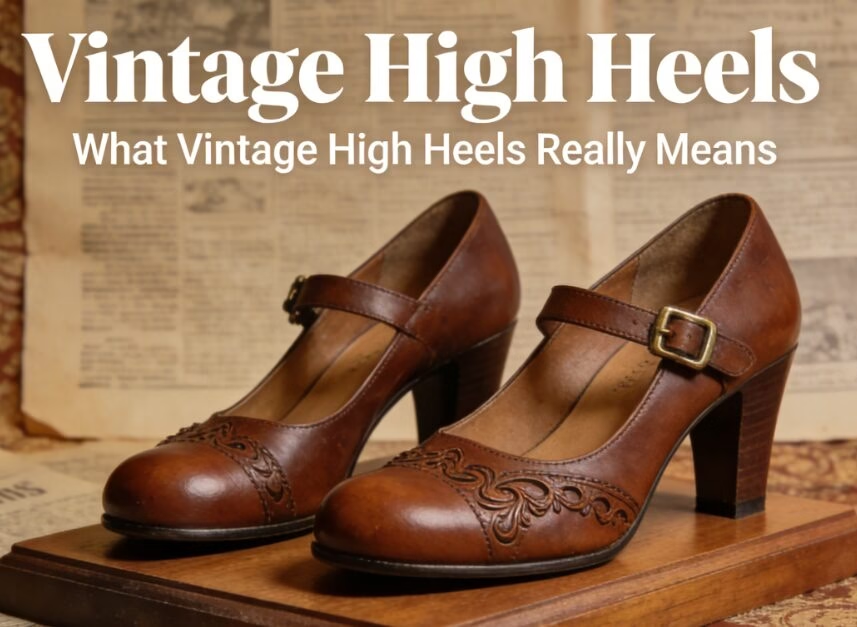
  • Vintage High Heels Buying Guide: What to Look for Before You Buy

    Vintage High Heels Buying Guide: What to Look for Before You Buy

    Summary

    Vintage high heels can deliver the kind of silhouette, craftsmanship, and character that modern shoes rarely replicate—but they also come with unique risks: sizing quirks, aged materials, and hidden structural issues. This guide walks you through a practical, era-aware checklist so you can buy confidently online or in-store. You’ll learn how to verify “true vintage,” measure your foot correctly, check width, evaluate materials and hardware, and choose styles that fit your wardrobe—whether you’re hunting classic black high heel pumps or sourcing high fashion heels and wholesale high heels for a boutique.

    What”Vintage High Heels”Really Means

    Before You Buy: A Fast Pre-Purchase Checklist (Skimmable)

    Know Your Foot Size

    What Materials Are Used to Make High Heels? (Materials Guide)

    Authenticity &”True Vintage”Verification

    Style Choices That Match Your Wardrobe

    Buying Channels: Where to Buy Vintage High Heels Safely

    What”Vintage High Heels”Really Means

    vintage high heels

    Vintage vs. Retro vs. Secondhand

    Before you click “buy,” clarify the label. “Vintage” usually refers to an older, original item from a past era (often 20+ years old).  “Retro” or high heels retro typically describes a new shoe made today with a vintage-inspired shape—think a 1950s kitten heel silhouette built with modern foam padding.  “Secondhand” simply means pre-owned; it could be last season or decades old. This distinction matters for fit, durability, and value. A true vintage pair may have superior leather and finishing, but it may also have adhesives that have aged or materials that no longer flex safely. Retro pairs offer the look with fewer risks, while secondhand modern heels are mostly about condition and price.

    Popular Vintage Heel Eras and Their Signature Silhouettes

    Different eras look and feel different on the foot. Knowing the era helps you predict toe box shape, heel pitch, and typical width. • 1950s: kitten heels and delicate pumps with a refined, tapered toe. Elegant but often narrower through the forefoot. • 1970s: platforms and chunky heels. More stable for walking, with bolder uppers and thicker soles. • 1990s–early 2000s: minimalist high fashion heels and sleek pumps—clean lines, sharper toes, and a higher likelihood of early synthetics.  When shopping, match the era to your comfort needs: a 1970s platform may be kinder for long wear than a sharp 1950s pump.

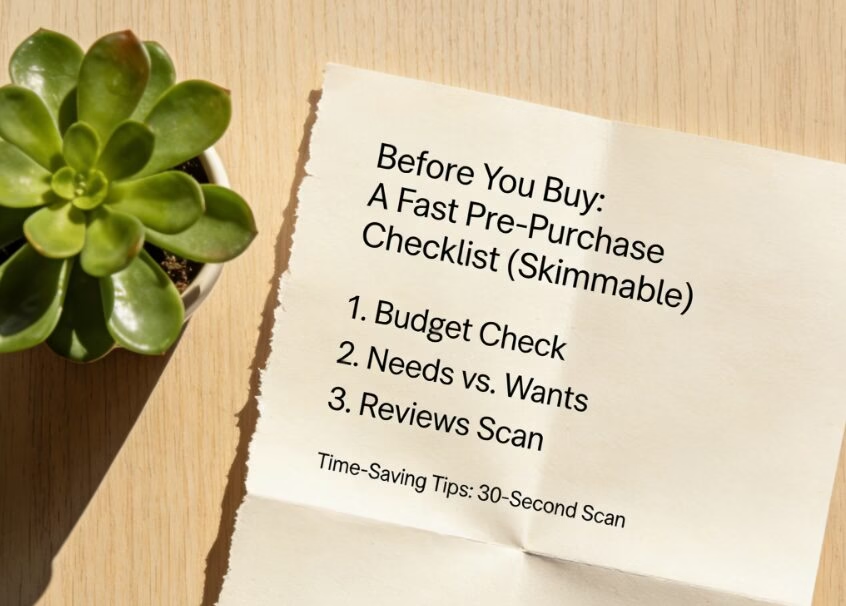
    Before You Buy: A Fast Pre-Purchase Checklist (Skimmable)

    A Fast Pre-Purchase Checklist(vintage high heels)

    30-Second “Pass or Buy” Screening

    Use this quick screen to avoid the most common “arrives and disappoints” outcomes. Start with structure: does the heel look straight and centered, and does the shoe appear symmetrical from left to right? Next, check the upper: look for cracking, peeling, or separation at flex points (especially where the foot bends). Then inspect the outsole and heel tips: worn heel tips are replaceable, but uneven wear can signal alignment issues that affect comfort and stability. Finally, confirm fit data (size and width) and authenticity cues (labels, construction quality, clean finishing). If any single category raises doubts and the seller cannot provide clear measurements or close-up photos, pass—or buy only if you have a realistic repair budget and a return option.

    Table 1 — Quick Checklist

    CheckpointWhat to Look ForRed FlagsBuyer Action
    Overall structureHeel aligned, shoe stands straightWobbling heel, twisted shankSkip or budget for repair
    Upper conditionSmooth leather, stable stitchingCracks, peeling ‘pleather,’ separationAvoid unless collectible
    Sole & heel tipsMinimal wear, replaceable tipWorn-down heel tip, uneven soleRequest repair estimate
    Insole/liningClean, intact paddingMold smell, sticky liningDon’t buy / sanitize plan
    Authenticity cuesClear branding, quality finishMisspellings, cheap glue linesAsk for close-up photos
    Fit factorsCorrect size + widthSeller says ‘runs small’ with no dataMeasure & confirm

    Tip: If the seller can’t provide measurements and close-ups, treat it as a high-risk listing.

    Know Your Foot Size

     Know Your Foot Size for high heels retro

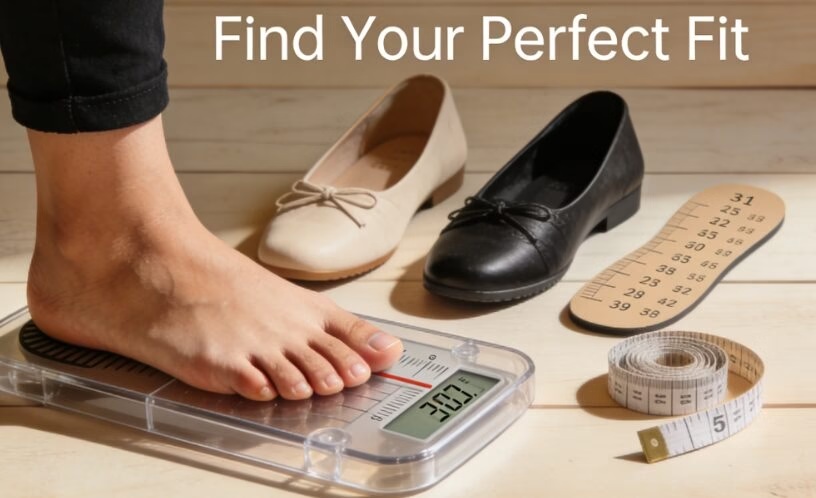
    How to Measure Foot Length Correctly at Home

    Know Your Foot Size before you shop—especially for vintage, where returns may be limited. Measure both feet at the end of the day when they’re slightly larger. 1) Place paper on a hard floor and stand with full weight on the foot. 2) Trace the outline, then measure heel-to-longest-toe length in millimeters. 3) Repeat for the other foot and use the longer measurement. Ask sellers for the insole length (not just the labeled size). An insole length close to your foot length plus a small allowance is a better predictor of fit than a size tag alone.

    Vintage Sizing Differences by Era and Brand

    Vintage sizing can run smaller, narrower, or simply inconsistent. Older lasts were often slimmer, and some brands used different grading systems.  A labeled “US 7” from one decade can feel like a modern 6.5 or a tight 7. If the shoe is leather, it may stretch slightly in width but rarely in length.  If it’s an older synthetic, it may not stretch at all—and could crack if forced. Treat every pair as a measurement problem, not a label problem.

    Try-On Rules (If You Can’t Try, Ask These Questions)

    If you can’t try them on, replace guesswork with questions: • What is the exact insole length and ball-of-foot width (in mm or cm)? • What is the heel height measured from the back center? • Is there slipping at the heel or pressure at the toe box? • Any repairs, replacements, or soft spots in the sole? Good sellers will answer with measurements and clear photos. If answers are vague (“runs small”) without numbers, that’s a risk signal.

    What Materials Are Used to Make High Heels? (Materials Guide)

    What Materials Are Used to Make High Heels?

    Common Vintage Heel Materials

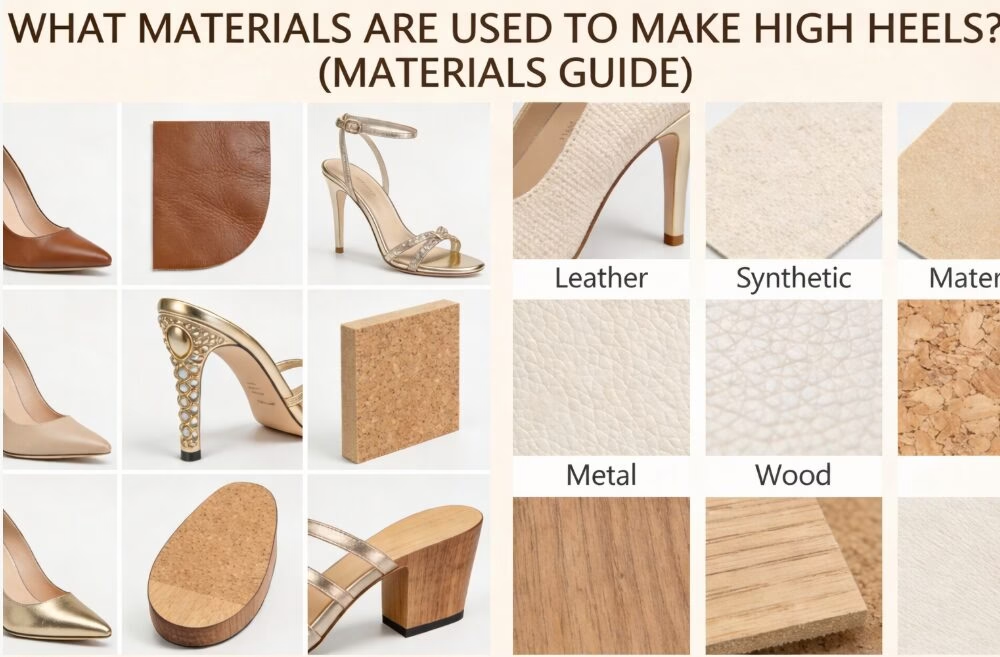
    What materials are used to make high heels? In vintage styles you’ll most often see leather (smooth, pebble, or full-grain), suede, and patent leather.  Special-occasion pairs may use satin or silk blends. You may also encounter early synthetics (PVC or coated fabrics) that look fine in photos but degrade over time.  For hardware, expect metal buckles, eyelets, and decorative elements; quality hardware should feel solid, not flimsy or sharp at edges.

    How Each Material Ages (What”Good Wear”Looks Like)

    Materials tell you whether a shoe is “worn” or “breaking down.” Leather can show gentle creasing and still be healthy; deep cracks, flaking finish, or stiffness at the vamp are warning signs.  Patent leather can develop micro-cracks at flex points—small cracks usually grow. Suede can be revived with brushing, but bald spots are harder to hide.  Satin can snag and fray; decide whether you’re buying it as a collectible or a wearable. When in doubt, zoom in on high-stress zones: toe bends, strap holes, and the heel seat.

    Hardware & Components (Buckles, Eyelets, Glue vs Stitching)

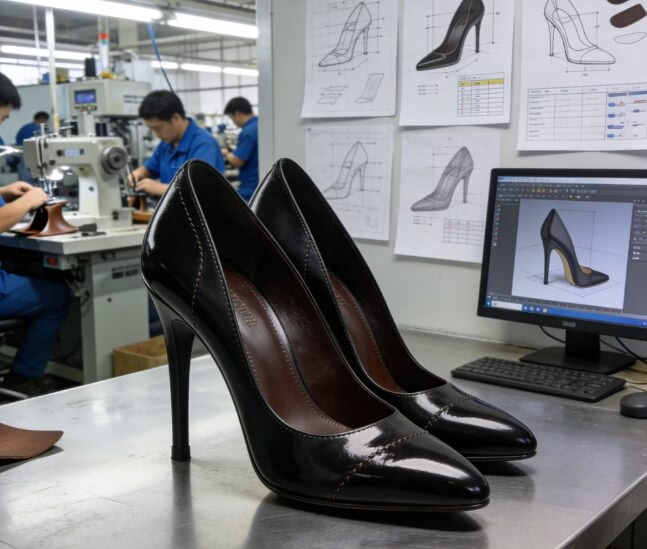
    Hardware and construction affect safety. Check buckles and zippers for corrosion, and ensure rivets or eyelets are tight. In high heels, the heel attachment and internal shank are critical.  Stitching generally ages better than heavy glue-only construction, but many heels use adhesives in layers; old glue can fail after long storage.  If you see gaps where the outsole meets the upper, or the heel base shows separation lines, assume you’ll need a cobbler. For buyers building a vintage-inspired line, these are the same QC points factories use when sampling high fashion heels.

    Authenticity &”True Vintage”Verification

     Authenticity &”True Vintage” for  vintage high heels

    Labels, Stamps, Serial Numbers, and Country of Origin

    To verify “true vintage,” start with the inside label and any stamps under the sole or in the arch. Look for consistent brand spelling, clean imprinting, and realistic country-of-origin markings.  Ask for close-up photos of the logo, size stamp, and any serial numbers. Authentic pairs typically show consistent font and placement.  Be cautious with “no label” claims unless the construction quality clearly supports the story.

    Craftsmanship Clues That Signal Quality

    Even without a famous label, craftsmanship speaks. Look for symmetrical toe shapes, clean edge finishing, straight stitching lines, and an even heel pitch.  The shoe should appear balanced when placed on a flat surface; if the heel looks off-center, it may feel unstable.  High-quality vintage heels often have better lining and smoother seams that reduce friction compared with low-end mass production.

    Fake “Vintage Aesthetic” vs Real Vintage Construction

    Some listings use “vintage” to mean “vintage-inspired.” That’s not automatically bad, but the price should match. Real vintage usually shows older manufacturing cues and natural material aging.  Modern retro shoes may have contemporary foam insoles, updated rubber outsoles, and standardized size labels. If you want daily comfort, a well-made high heels retro option can be smarter than fragile originals—just be clear about what you’re paying for.

    Style Choices That Match Your Wardrobe

    Style Choices That Match Your Wardrobe

    The Easiest Vintage Heel to Wear Today

    If you’re new to vintage, start with classic pumps—especially black high heel pumps. They pair with jeans, tailoring, and eveningwear, and they’re easier to evaluate for condition because the design is simple.  Choose a toe shape you already know you can wear (almond or slightly rounded for comfort). A modest heel height improves stability and reduces stress on older materials.

    How to Choose Heel Height for Your Lifestyle

    Heel height should match where you’ll actually wear the shoes. As a rule of thumb: • 2–3 inch: daily wear, commutes, and long events. • 3–4 inch: statement looks, shorter wear windows. • Platforms: added height with more surface area and stability, often a good vintage pick. Remember that older heels may have less cushioning. If you love the look but need comfort, consider adding removable pads or choosing a retro-inspired pair with modern support.

    When Vintage Inspired Alternatives Make More Sense

    If you love the silhouette but need predictable fit and materials, vintage-inspired options can be the best of both worlds. Look for modern builds that borrow classic lines while upgrading comfort: padded insoles, grippy outsoles, and reinforced heel bases. This is also where trend-led items like thigh high heels often live—usually not “true vintage,” but strongly vintage-inspired in shape, hardware, and finish. This is also where “high fashion heels” trends show up first—brands and OEM/ODM makers translate archival shapes into new runs. If you’re sourcing for a shop, it’s worth comparing true vintage stock versus new retro lines for return rates and customer satisfaction.

    Buying Channels: Where to Buy Vintage High Heels Safely

     Where to Buy Vintage High Heels Safely

    Online Marketplaces vs Curated Vintage Shops

    Online marketplaces offer volume and deals, but quality varies. Prioritize listings with multiple angles, close-ups of wear points, and exact measurements. Check seller reviews and return policies.  Curated vintage shops cost more, but they often pre-screen condition and can provide sizing guidance. For first-time buyers, curated sources reduce risk—especially for delicate materials like satin or older patent.

    Auction / Estate Sales

    Auctions and estate sales can yield rare finds, but they come with “as-is” risk. Inspect in person if possible: flex the sole gently, check odor, and look for separation.  If bidding online, budget for refurbishment. A bargain price can disappear once you add resoling, heel tip replacement, and cleaning.

    Bulk & Business Buyers: Wholesale Considerations

    If you’re buying for resale, styling, or content production, treat inventory like a system. For wholesale high heels or bulk vintage lots, require a clear grading standard (A/B/C), size-run breakdown, and consistent photo documentation.  Ask whether heel tips and minor repairs have been addressed. Consider a pilot order first to validate condition accuracy before scaling.  For boutiques, mixing true vintage hero pairs with reliable vintage-inspired lines can reduce returns while keeping the “one-of-a-kind” appeal.

  • High Heels Most Comfortable: Best Choices for Everyday and Professional Wear

    High Heels Most Comfortable: Best Choices for Everyday and Professional Wear

    Finding the high heels most comfortable enough for daily life is not a myth—it’s mainly about choosing the right heel geometry, support, and fit. The good news: you don’t have to sacrifice a polished look to get real comfort. In this guide, you’ll learn which heel types feel best, what to buy for work and wide feet, and how to choose heels you can actually wear all day.


    What Are the High Heels Most Comfortable

    comfortable high heels wedding

    “Comfortable heels” usually share three traits: stable heel shape, moderate height, and built-in support (cushioning + arch + secure fit). When any of these is missing—especially stability—foot fatigue rises fast.

    The comfort “sweet spot” (heel height + shape + support)

    For most people, the comfort sweet spot is:

    1.Heel height: ~1.5–2.5 inches (4–6.5 cm)

    2.Heel shape: block or wedge (more ground contact = more stability)

    3.Support: cushioned insole, slight arch support, and a secure upper (straps, structured leather, or snug vamp)

    Below is a quick comparison of the most common heel types.

    Heel TypeComfort LevelBest ForWhy It Feels BetterCommon Trade-offs
    Block HeelsHighWork, commutingWide base = stabilityCan feel heavier
    WedgesHighOutdoor, long standingWeight distributed evenlyLess “formal” look
    Kitten HeelsMedium–HighOffice, meetingsLower height, elegantNarrow base varies
    Platform HeelsMediumEvents, styleReduces foot angleBulkier, less breathable
    StilettosLow–MediumShort wearSleek silhouetteHigh pressure + instability

    Why kitten heels are a top choice for office comfort

    If your goal is professional heels that don’t punish your feet, kitten heels are often the best compromise. They usually sit around 1–2 inches, which reduces forefoot pressure compared to higher heels. They also look polished with trousers, dresses, and suits—so you get an office-ready silhouette without the “foot-on-fire” feeling by lunch.

    To maximize comfort with kitten heels, look for:

    1.A slightly wider kitten heel (not needle-thin)

    2.Almond or round toe (less toe compression)

    3.Cushioned forefoot padding (ball-of-foot comfort is key)

    4.Secure heel cup (prevents slipping and blisters)

    Block heels vs wedges: which is better for all-day wear?

    Both can be excellent, but the “best” depends on your day.

    1.Choose block heels if you:

    Walk on mixed surfaces (sidewalks, office floors, transit)

    Need a formal look for meetings

    Prefer a “normal shoe” feel with stable footing

    2.Choose wedges if you:

    Stand for long periods (retail, events, teaching)

    Walk outdoors often (grass, uneven pavement)

    Want pressure distributed across the foot (less concentrated load)

    A simple rule: block heels are usually more office-formal, while wedges are often better for prolonged standing.

    Best Choices for Professional Wear (Work-Appropriate + Comfortable)

    High Quality Heels

    Work heels should be stable, quiet, supportive, and appropriate for long meetings plus commuting. When shopping, think “boardroom + sidewalk,” not “runway.”

    What are the most comfortable heels for work?

    The most comfortable heels for work are typically:

    1.2-inch block heels

    2.low-to-mid kitten heels

    3.structured pumps with cushioning

    4.closed-toe styles with secure fit

    moderate heel pitch (your foot shouldn’t feel “slid forward”)

    A comfortable work heel also needs traction. Many people focus on the insole and forget the outsole—slip risk and tension in the calves can make even cushioned shoes feel exhausting.

    Best comfortable work styles (Best list format)

    Best comfortable heel styles for professional wear:

    1.2-inch block-heel pumps (almond toe)

    Best overall balance of polish + stability for daily office wear.

    2.Kitten-heel slingbacks (wide-base kitten heel)

    Great for meetings and smart-casual offices; look for a secure strap.

    3.Block-heel loafers or heeled oxfords

    Office-appropriate and supportive, especially with firmer uppers.

    4.Low platform pumps (subtle platform)

    Helpful if you want the look of height with less steep foot angle.

    5.Block-heel ankle-strap heels

    Straps improve security and reduce toe gripping (less fatigue).

    Best for Wide Feet (Fit-First Recommendations)

    custom made high heels

    If you have wide feet, comfort starts with fit—not heel height. Many “painful heels” are actually the wrong width or toe shape.

    What are the most comfortable heels for wide feet?

    The most comfortable heels for wide feet usually have:

    1.Wide-width options (true wide, not “runs wide”)

    2.Round or almond toe

    3.Soft/stretch upper (or structured leather that breaks in well)

    4.Lower heel height (reduces forward slide)

    5.Wider heel base (less wobble = less toe gripping)

    Wide-foot sizing and fit rules (avoid common mistakes)

    Wide-feet fit rules that prevent pain fast:

    1.Don’t size up for width unless the brand specifically recommends it. Sizing up often causes heel slip and blisters.

    2.Prioritize wide widths (or generous toe boxes) over extra length.

    3.Avoid sharp point-toe shoes for long wear—even if they look sleek.

    4.Test fit in the afternoon: feet swell slightly, and you’ll get a more realistic fit.

    5.If the ball-of-foot feels compressed while standing still, it will be worse after an hour.

    (h3)Best heel types for wide feet (Best list format)

    Best heel types for wide feet:

    1.Block heels (2 inches) with almond/round toe

    2.Wedges with roomy toe box

    3.Low kitten heels with wider heel base

    4.Platform block heels (moderate pitch)

    5.Heeled Mary Janes (strap adds security + comfort)

    Wide-feet comfort table:

    ProblemWhat to ChooseWhat to Avoid
    Toe squeezeRound/almond toe, wide widthSharp pointed toes
    Forefoot pressureCushion + lower heelThin insoles, high stilettos
    InstabilityBlock heel/wedgeNarrow stilettos


    Best for Wearing All Day (Real-World Comfort)

    Custom heels for women

    All-day heels aren’t just about “soft cushioning.” The real secret is reducing fatigue triggers: forward slide, unstable heel strike, lack of arch support, and poor traction.

    What are the most comfortable heels to wear all day?

    The most comfortable heels to wear all day are typically:

    1.1.5–2.5 inch block heels

    2.supportive wedges

    3.low kitten heels with padding

    4.low platform block heels (to reduce pitch)

    5.heels with straps or secure uppers (less gripping = less fatigue)

    All-day heel height guide (simple chart)

    1.Heel Height vs Wear Time (Typical Tolerance)

    (This varies by body mechanics and activity level, but it’s a helpful baseline.)

    1.0–1.5 in (0–4 cm): 8–12 hours (high tolerance)

    2.1.5–2.5 in (4–6.5 cm): 6–10 hours (best “all-day” zone)

    3.2.5–3.5 in (6.5–9 cm): 3–6 hours (moderate tolerance)

    4.3.5+ in (9+ cm): 1–3 hours (low tolerance for most people)

    Best all-day picks by use case (Best list format)

    All-day heels by real-life scenario:

    1.Commuting + office: 2-inch block-heel pump, almond toe, grippy sole

    2.Standing-heavy jobs: supportive wedge or block heel with thicker insole

    3.Client meetings + walking: kitten heel slingback (wide base) or block heel Mary Jane

    4.Events that still require comfort: subtle platform block heel (not ultra-high)

    5.Travel days: wedge or block heel with strap + traction outsole

    How to Choose Comfortable Heels (Step-by-Step Buyer Guide)

    latest fashion high heels

    Buying comfortable heels is a process—if you skip one step, you often pay for it later (literally and physically).

    Step 1 — Measure and fit (length, width, arch)

    Measure both feet; fit the larger foot.

    Confirm toe room: toes should lie flat, not stacked or squeezed.

    If you have higher arches, look for arch contour or supportive insoles.

    Step 2 — Pick the right heel geometry

    For comfort, prioritize block heels, wedges, and stable kitten heels.

    Avoid ultra-thin heels if you walk a lot or stand frequently.

    Step 3 — Evaluate cushioning + support

    Look for forefoot padding (ball-of-foot comfort matters most).

    A slightly firmer midsole can be more supportive than super-soft foam.

    Structured uppers reduce foot sliding and toe pressure.

    Step 4 — Check outsole grip + durability

    Smooth soles can create tension (you “brace” to avoid slipping).

    A textured outsole improves confidence and reduces fatigue.

    Step 5 — Test-walk protocol

    Do a real test:

    Walk on hard floors for 3–5 minutes.

    Do stairs (up and down).

    Pay attention to sliding, toe pinch, heel slip, and wobble.

    If any of these show up immediately, don’t expect them to “magically disappear.”

    Decision Flow

    1.Wide feet? → prioritize toe box + width options

    2.Work wear? → choose stable heel + conservative height

    3.All-day? → maximize cushioning + traction

    4.Style priority? → consider platform or low kitten heel instead of stiletto

    Quality, Testing, and Consistency

    wholesale fashion high heels shoes

    Comfort isn’t only a design issue—it’s also a manufacturing issue. Two heels can look identical but feel completely different due to materials, tolerances, and assembly consistency.

    Why production capability affects comfort consistency

    When production is inconsistent, you’ll see:

    1.uneven heel placement (instability)

    2.mismatched sizing between pairs

    3.poorly bonded insoles that flatten quickly

    4.inconsistent toe box volume (one shoe “tighter”)

    Good production capability reduces those “one foot hurts, the other doesn’t” experiences.

    R&D and prototyping: what matters for comfort

    Comfort-driven brands usually invest in:

    1.last design (the foot-shaped mold that determines fit)

    2.pressure mapping and wear testing

    3.iterative prototypes to optimize heel pitch, toe spring, and support placement

    Even small geometry changes can reduce forefoot pressure and improve stability.

    QC checkpoints that reduce common comfort failures

    Quality control that improves comfort often includes:

    1.heel alignment checks (straight, stable heel strike)

    2.outsole bonding and flex testing

    3.insole compression testing (prevents fast “flattening”)

    4.size/width verification across batches

    5.upper seam and lining checks to prevent rubbing/blisters

    Final takeaway

    If you want the most comfortable high heels for everyday and professional wear, start with stable heel types (block, wedge, supportive kitten), aim for the 1.5–2.5 inch range, and prioritize fit + cushioning + traction. The right choice will look sharp—and feel wearable past your first coffee break.

    If you want, tell me your typical use case (commuting distance, standing time, office dress code) and whether you have wide feet, and I’ll recommend the best heel type and ideal height range for you.

  • How Can I Walk in High Heels Without Pain or Strain

    How Can I Walk in High Heels Without Pain or Strain

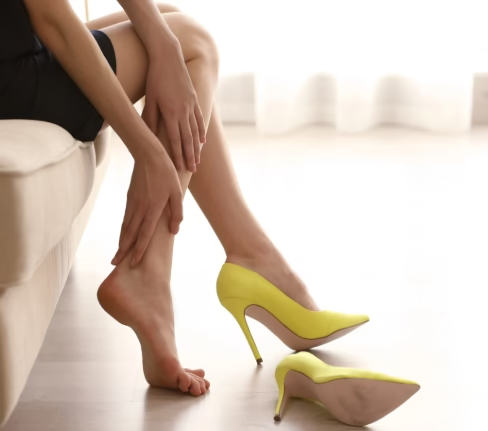
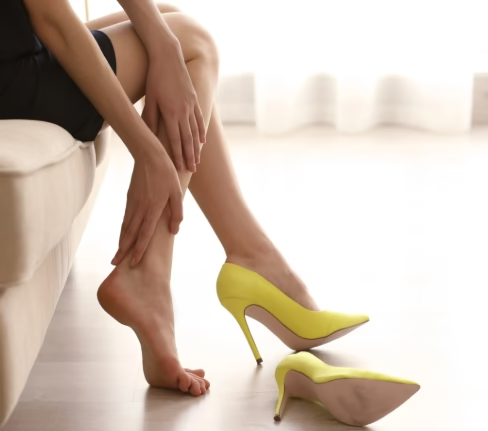
    High heels are a symbol of elegance, confidence, and style, but for many women, they also come with pain, fatigue, and long-term foot strain. From sore forefeet to aching calves and lower back discomfort, wearing high heels can feel like a trade-off between beauty and comfort.

    This article explores why high heels are painful, how to choose more comfortable heels, how to walk properly in heels, and how beginners can build confidence safely. We also introduce custom women’s shoes as a long-term solution for women who want both style and comfort—without compromise.


    Why are high heels painful?

    -What is high heel syndrome?

    -Why do high heels exert more pressure?

    -What happens if you wear high heels every day?

    How to choose comfortable high heels?

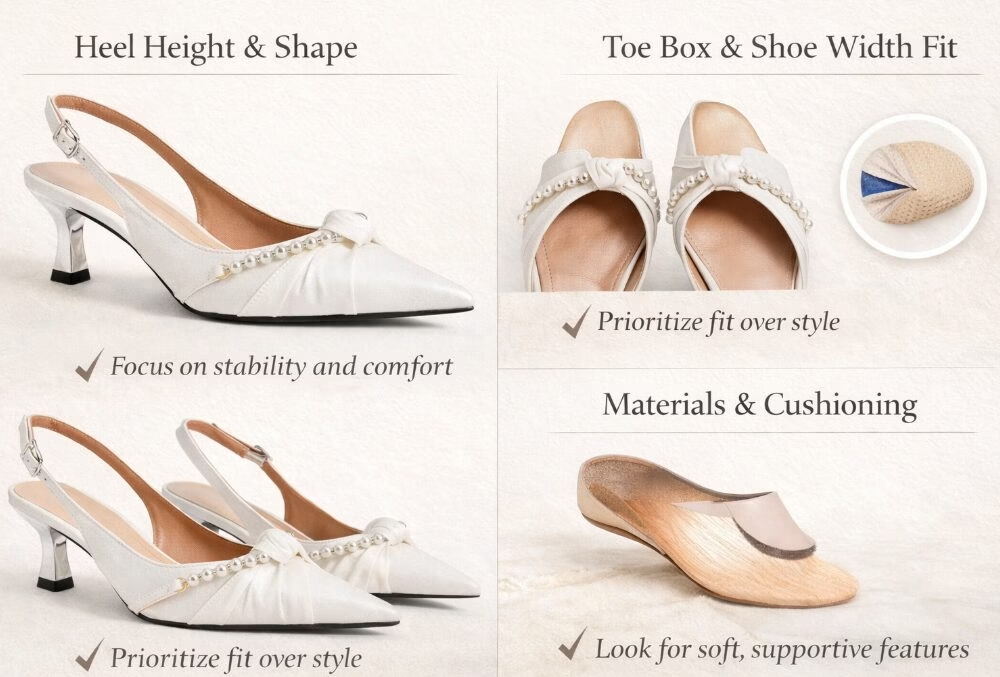
    -Choosing the right heel height and heel shape for stability and comfort

    -Toe box design and shoe width: why fit matters more than style

    -Materials, cushioning, and arch support that reduce foot stress

    How to Walk Easily in High Heels?

    -Is there a trick to walking in heels?

    -What is the toe trick for heels?

    -How do I train my feet to walk in heels?

    How to Walk in High Heels for Beginners?

    -Starting with beginner-friendly heel styles and heights

    -Simple practice exercises to improve balance and confidence

    -Common beginner mistakes and how to avoid foot pain early

    Foot Care Tips to Prevent Pain and Strain

    -Stretching and strengthening exercises for feet and calves

    -Using insoles, pads, or anti-slip solutions for added comfort

    -Knowing when to rest, switch shoes, or stop wearing heels

    Custom Women’s Shoes: A Smarter Long-Term Solution

    -Why choose Sansheng shoes?

    -Customization options: heel height, toe shape, arch support, and materials

    -Why custom high heels offer better comfort for frequent or long-term wear

    Why Are High Heels Painful?

    What Is High Heel Syndrome?

    High heel syndrome refers to a group of foot and body issues caused by prolonged or frequent wearing of high heels. These may include forefoot pain, shortened calf muscles, ankle instability, knee stress, and even lower back pain. When heels elevate the foot, they force the body into an unnatural alignment, placing excessive strain on muscles and joints that are not designed for it.

    Why Do High Heels Exert More Pressure?

    When wearing flat shoes, body weight is distributed more evenly across the heel and forefoot. High heels shift the center of gravity forward, causing up to 70–80% of body weight to concentrate on the ball of the foot.

    This increased pressure can lead to pain, numbness, calluses, and inflammation, especially when shoes are narrow or lack cushioning and arch support.

    What Happens If You Wear High Heels Every Day?

    Daily high heel use can gradually change foot structure and muscle function. Over time, calves may tighten, Achilles tendons shorten, and balance can worsen. Chronic wear may also increase the risk of bunions, plantar fasciitis, and joint problems. While occasional heel wear is usually manageable, improper shoes worn too often can create long-term discomfort.

    How to Choose Comfortable High Heels?

    custom women's shoes

    Choosing the Right Heel Height and Heel Shape for Stability and Comfort

    Heel height plays a crucial role in comfort. For daily wear, a heel height between 3–6 cm (1–2.5 inches) is generally easier on the feet.

    Heel shape matters just as much. Block heels and wedges distribute weight more evenly and provide better balance than thin stilettos, making them a smarter option for longer wear.

    Toe Box Design and Shoe Width: Why Fit Matters More Than Style

    A narrow toe box squeezes toes together, increasing pressure and friction. This is a major cause of pain, blisters, and bunions. Shoes with a slightly wider or rounded toe box allow toes to sit naturally, improving comfort and stability without sacrificing elegance.

    Materials, Cushioning, and Arch Support That Reduce Foot Stress

    Soft, flexible uppers such as genuine leather or high-quality microfiber adapt better to foot shape. Adequate cushioning in the insole absorbs shock, while proper arch support helps distribute weight more evenly across the foot. These details significantly reduce fatigue and strain during extended wear.

    How to Walk Easily in High Heels?

    custom made high heels

    Is There a Trick to Walking in Heels?

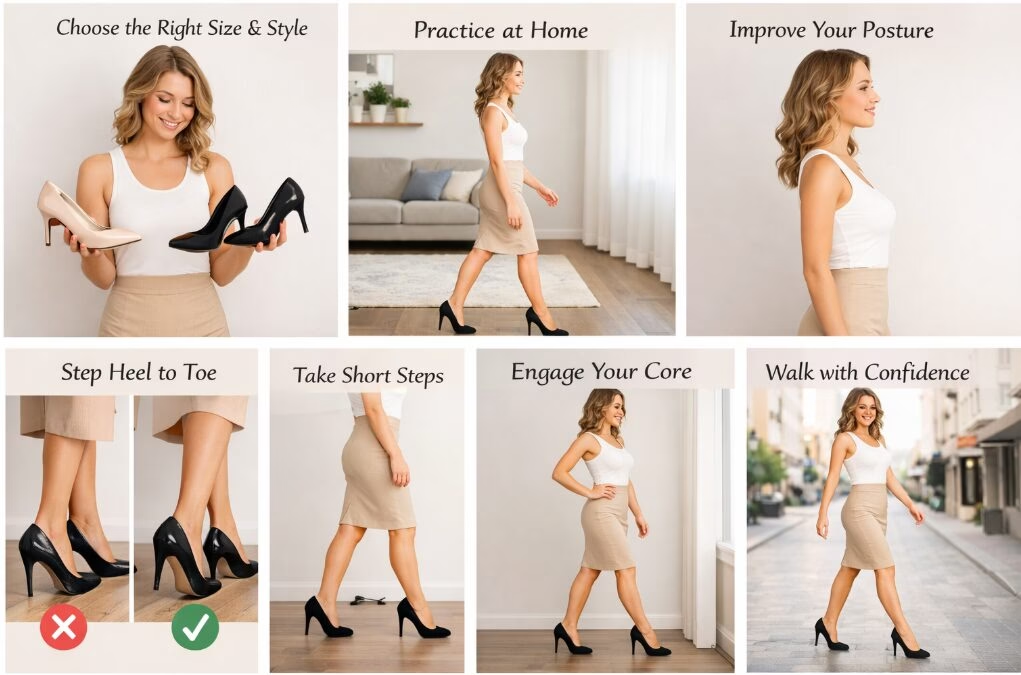
    Yes—technique matters. The key is shorter steps and controlled movement. Instead of rushing or stomping, place the heel down gently first, then roll forward onto the ball of the foot. This smooth motion reduces impact and improves balance.

    What Is the Toe Trick for Heels?

    The “toe trick” involves consciously relaxing your toes instead of gripping the shoe. Many women tense their toes for balance, which increases fatigue and pain. Keeping toes relaxed and evenly spread improves stability and reduces pressure on the forefoot.

    How Do I Train My Feet to Walk in Heels?

    Like any physical skill, walking in heels improves with gradual training. Start by wearing heels for short periods indoors, then slowly increase duration. Strengthening exercises for ankles, calves, and arches also improve balance and endurance, making heel walking feel more natural over time.

    How to Walk in High Heels for Beginners?

    Custom heels for women

    Starting with Beginner-Friendly Heel Styles and Heights

    If you’re new to heels, avoid high stilettos. Begin with low block heels, kitten heels, or wedges. These styles offer better stability and allow your feet to adapt gradually without excessive strain.

    Simple Practice Exercises to Improve Balance and Confidence

    Practice walking in a straight line, standing on one foot, or rising slowly onto your toes while barefoot. These exercises strengthen stabilizing muscles and improve coordination, which directly translates into more confident heel walking.

    Common Beginner Mistakes and How to Avoid Foot Pain Early

    Common mistakes include taking overly large steps, locking the knees, and wearing heels that don’t fit properly. Choosing the wrong size or heel type early on can quickly lead to pain and discouragement. Comfort should always come before height.

    Foot Care Tips to Prevent Pain and Strain

    Custom Sandals

    Stretching and Strengthening Exercises for Feet and Calves

    Stretching calves and arches after wearing heels helps prevent muscle tightness. Simple stretches, foot rolling with a massage ball, and toe flexibility exercises can significantly reduce soreness and long-term strain.

    Using Insoles, Pads, or Anti-Slip Solutions for Added Comfort

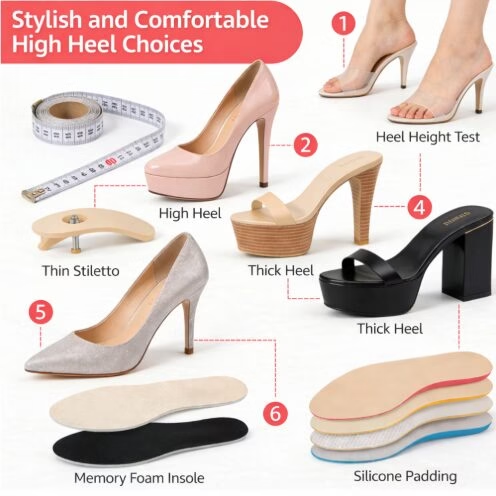
    Gel pads, cushioned insoles, and anti-slip forefoot pads help absorb shock and prevent excessive pressure on sensitive areas. These accessories are especially helpful for long events or extended standing.

    Knowing When to Rest, Switch Shoes, or Stop Wearing Heels

    Pain is a signal, not something to ignore. Switching to flats during long days, alternating heel heights, or giving your feet rest days can prevent chronic discomfort and injury.

    Custom Women’s Shoes: A Smarter Long-Term Solution

    wholesale heels

    Why Choose Sansheng Shoes?

    Sansheng Shoes specializes in custom women’s footwear, combining ergonomic design with refined aesthetics. Instead of forcing feet to adapt to mass-produced shoes, Sansheng designs shoes around real foot anatomy, reducing pressure points and improving overall comfort.

    Customization Options: Heel Height, Toe Shape, Arch Support, and Materials

    Custom women’s shoes allow precise adjustments, including heel height tailored to comfort, toe box width that matches foot shape, built-in arch support, and carefully selected materials. These details work together to create shoes that feel as good as they look.

    Why Custom High Heels Offer Better Comfort for Frequent or Long-Term Wear

    For women who wear heels regularly—for work, events, or daily styling—custom high heels provide long-term benefits. Improved fit reduces fatigue, enhances posture, and minimizes foot pain, making high heels sustainable rather than exhausting.

    Conclusion

    Walking in high heels without pain or strain is not about enduring discomfort—it’s about understanding your feet, choosing the right shoes, and using proper technique. From selecting comfortable designs to learning how to walk correctly and caring for your feet, small changes make a big difference.

    For those seeking the ultimate balance between elegance and comfort, custom women’s shoes offer a smarter, healthier solution—allowing you to walk confidently, beautifully, and pain-free.